
A single worn rubber trim on your car door can silently drip water behind your dashboard for months without detection.
Your car creates perfect conditions for mold growth. These organisms need just three basic elements to thrive: moisture, warmth, and a food source, which your car’s interior provides abundantly. Mold spores can enter through air vents and create a hidden problem that multiplies right under your nose.
This goes beyond unpleasant odors. Mold in your vehicle poses a serious health risk, particularly in such a confined space. Some molds release mycotoxins that can cause neurological issues or suppress the immune system at high exposure levels. Fix leaks fast — schedule your door & window seal service with Car Detox.
How Damaged Seals Let Mold In
Water intrusion starts when rubber components in your vehicle deteriorate. These small defects create paths that let moisture seep in, and mold finds perfect conditions to grow.
Leaky door seals and window trims
Your car’s door seals take a beating every day. They deal with changing temperatures, harsh sun, and constant opening and closing. The rubber trimming becomes brittle and develops cracks as time passes. Damaged seals let water sneak inside instead of flowing down the car’s exterior. Your doors might not fit properly, which squeezes the weather stripping unevenly and creates gaps. Water gets through even if the seals look fine.
This isn’t just about getting wet. Water that sneaks through bad door seals soaks into the carpets, and mold grows on these damp spots. The moisture can also wreck electrical parts behind your door panels, and repairs can get pricey. Research shows mold starts growing in just 24-48 hours after water finds its way through compromised door seals.
Sunroof drain clogs and seal gaps
Your modern sunroof comes with drain systems that channel water through tubes under your car. The design actually expects some water to get in. All the same, leaves, twigs, pollen, or road debris often block these drains.
Small gaps in your sunroof seals might not look like much at first. The real trouble starts when drainage channels clog, and water has nowhere to go but inside. Your headliners, carpets, and seat cushions soak up this overflow, creating perfect spots for mold. The damage from clogged sunroof drains is a big deal, as it means that insurance claims can top $10,000.
Rubber edge trimming wear and tear.
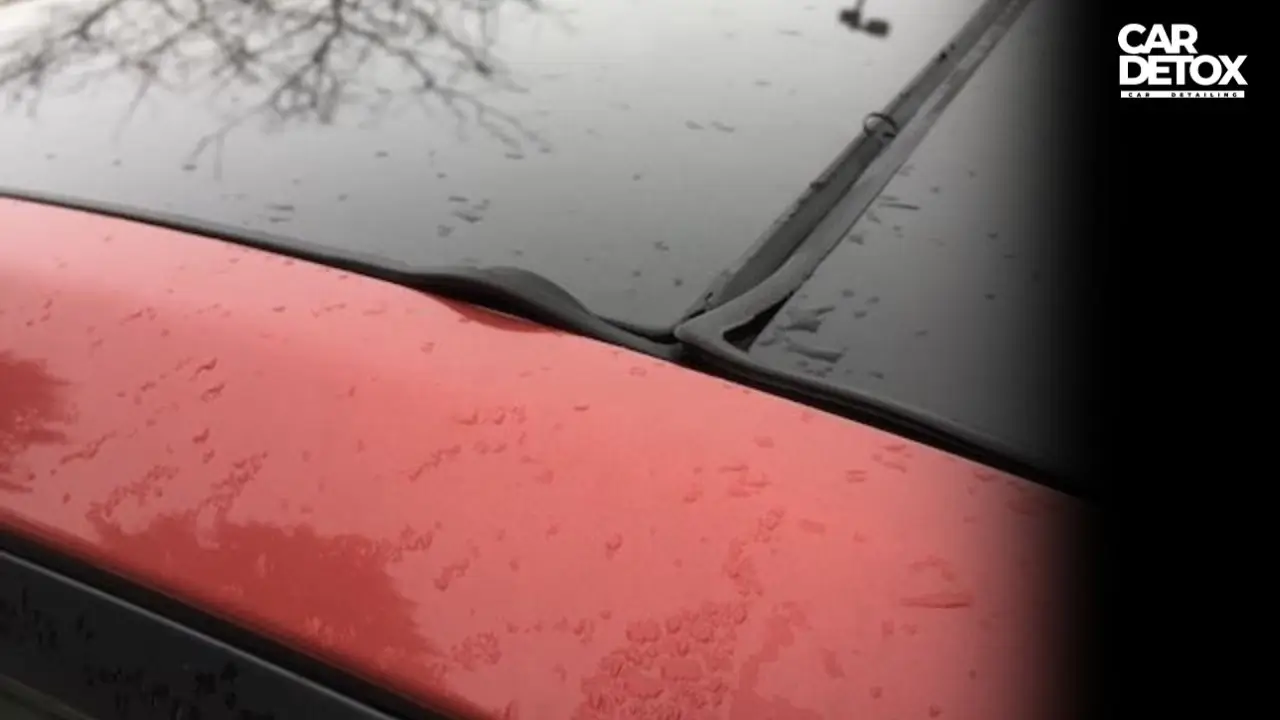
Sun and weather make the black rubber trimming around windows shrink and crack. The material loses its bounce that once made watertight seals. These tiny gaps then let moisture creep in steadily during rain or car washes.
Good rubber edge trimming cuts down water problems by 80%. Failed components create openings where moisture gets in and encourages mold growth throughout your car’s interior. Regular checks and maintenance of these rubber parts serve as your best defense against interior mold.
Where Mold Hides in Your Car
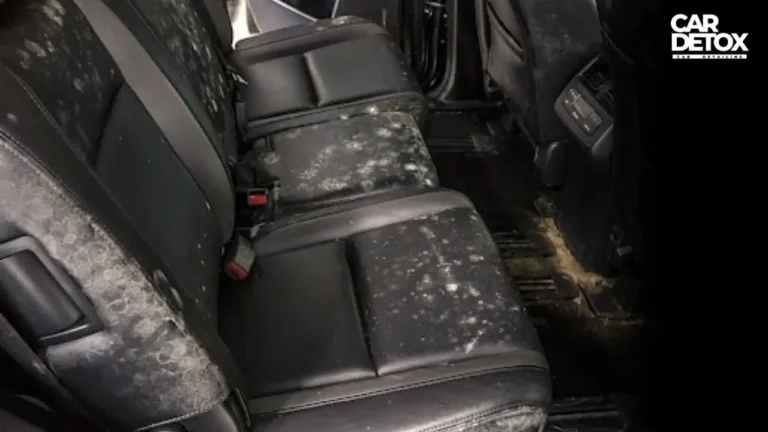
Mold grows beyond what you can see on surfaces. It runs on darkness and hides in your vehicle’s moisture-prone areas. These invisible colonies can damage your car’s interior and affect your health once they’re a few days old.
Under carpets and floor mats
Floor mats and carpeting give mold the perfect place to hide. Moisture from rain or spills seeps underneath and creates a damp environment where spores multiply faster. You won’t spot these tiny colonies unless you check under wet floor mats regularly. The carpet padding soaks up moisture and creates warm, damp spots where mold loves to grow. Mold can stay dormant beneath even after you clean visible stains, ready to grow again with the next drop of moisture.
Inside HVAC vents and ducts
Your car’s ventilation system is another hotspot for mold. We found fungi and bacteria grow in the evaporator core and nearby areas because of the AC-generated humidity. These spores spread through your vehicle when you use the heating or cooling. Mold builds up where dust collects on fans. Once it reaches the evaporator core’s fins, you need special treatment to get rid of it.
Behind door panels and trunk linings
Moisture gets trapped behind door panels, especially when you have damaged weatherstripping. Your trunk and spare tire wells collect mysterious water pools after heavy rain. Mold spreads quietly in these spaces until you notice musty smells. These hard-to-reach spots need professional equipment to clean properly.
In seat padding and foam
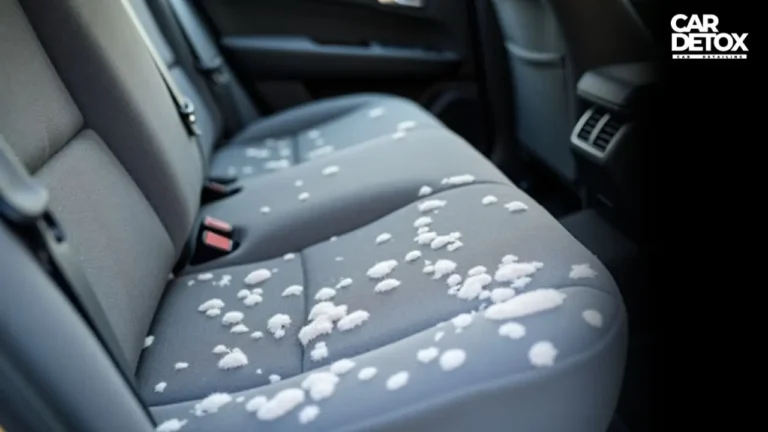
Spores that get into the seat foam are nowhere near as simple to handle as surface mold. They dig deep into the padding, and surface cleaning won’t help. Fabric seats soak up moisture easily, giving mold ideal growing conditions. That lingering funky smell means mold has probably reached deep into the foam. You’ll likely need to replace both the cover and cushion.
How to Remove Mold from Affected Areas
Getting rid of mold in your car needs quick action and the right tools. Your safety should be the priority – make sure you wear gloves, a mask, and protective eyewear before starting the cleanup.
Vacuuming and surface cleaning
Start by using a HEPA filter vacuum cleaner that can trap mold spores as tiny as 0.3 microns. The vacuum should reach into seams, seat tracks, and spots where food and dirt collect. A good vacuum job removes visible mold and gets rid of the organic matter that mold needs to grow.
Using vinegar or baking soda on upholstery
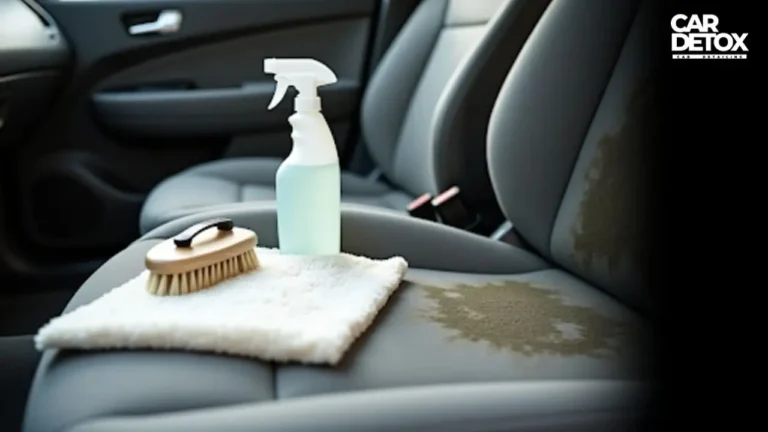
Mix equal amounts of white vinegar and hot water in a spray bottle to treat upholstery. The natural acidity kills about 82% of mold species. Spray the mixture on affected spots and let it sit for 15-20 minutes. Then use a soft brush to clean gently. You could also use baking soda – just sprinkle it heavily on damp areas. It soaks up moisture and kills bad smells. Let it work overnight before you vacuum it up.
Cleaning HVAC with foam sprays
Mold often hides in your car’s ventilation system. You can use special foaming cleaners through the evaporator drain under your car. This method wraps around the evaporator core and kills mold and mildew before they spread through your cabin. A deodorizing spray through the fresh air intake finishes the job.
Replacing cabin air filters
Dirty cabin filters keep spreading spores even after you clean everything else. You should replace these filters every 12,000-15,000 miles or once a year. Carbon-activated filters that catch odors or HEPA filters that trap tiny particles like mold spores make great upgrades.
When to use rubber restorer on seals
Clean black rubber trim with mild soap and warm water first. If you spot mold, use a diluted bleach solution. A rubber restorer helps prevent damage and keeps the rubber flexible after cleaning. Good rubber edge trim care reduces water leaks that let mold grow.
Preventing Mold with Seal Maintenance
Regular maintenance of your vehicle’s rubber parts is the best way to prevent moisture and mold problems. Good upkeep creates a barrier that keeps your car’s interior dry and healthy.
How to restore rubber seals properly
You can refresh worn rubber seals without replacing them. Clean the seals with mild soap and water to remove debris and paraffin wax that seeps out as the rubber ages. A diluted bleach solution (3 parts water to 1 part bleach) works best for moldy areas. The seals need a quality rubber conditioner after cleaning to add back lost oils and flexibility. These conditioners usually contain silicone or special compounds made for car rubber.
Using rubber trimming tools for upkeep
The right tools make seal maintenance easier. You need a hand-held roller to apply even pressure when installing new seals. Straight-edge trim clippers give clean cuts, and special 90° miter tools create perfect corners on rubber seals. These precision tools ensure a proper fit and eliminate gaps where moisture could enter.
Inspecting and replacing black rubber trimming
Run your fingers along all rubber edge trimming every six months to find cracks or gaps. Watch for brittle spots, shrinkage, or areas where the rubber has lost its stretch. The rubber might be too damaged to restore sometimes—you’ll need to replace it then. Door seals, windshield edges, and sunroof perimeters need the most attention.
Drying out interiors after rain or spills
Quick action stops mold from growing after moisture gets in. Park in a sunny, breezy spot and open all doors and windows for good airflow. Use towels or a wet/dry vacuum to remove standing water from carpets and seats. Heat alone won’t fix the problem—it might actually help mold grow instead of removing moisture.
Conclusion
Your vehicle’s rubber seals might seem unimportant at first glance. These components play a vital role in stopping water from getting in and mold from growing inside. Damaged seals around doors, windows, and edges give water easy access to your car’s interior. You need to check and maintain these parts regularly to keep mold away from your vehicle.
Mold does more than just make your car look and smell bad. It poses real health risks, especially since we spend so much time in our cars. People with allergies or breathing problems face bigger dangers when exposed to these harmful spores. Mold can grow secretly in many spots throughout your car. You can cut this risk a lot with some preventive steps. The first step is to clean thoroughly with the right tools – HEPA hoovering, vinegar solutions, and special HVAC treatments get rid of existing mold. Your rubber parts also need proper cleaners and conditioners to create a barrier that keeps moisture out. Protect your interior from mold — trust Car Detox for leak prevention.