
Mold in your car poses serious health risks. The Environmental Protection Agency (EPA) defines mold as “a natural part of the environment and can be found almost anywhere that moisture and oxygen are present”. These spores become dangerous when they invade your vehicle’s confined space.
Your car’s enclosed environment forces you to breathe mold spores repeatedly. This exposure creates health problems, especially when you have allergies, asthma, or immune system challenges. The Centers for Disease Control and Prevention (CDC) reports that mold exposure triggers symptoms like a stuffy nose, wheezing, and red or itchy eyes or skin. Black mold stands out as the most dangerous type in cars. Its toxic nature leads to painful health issues over time. The situation worsens quickly because mold spreads rapidly – often within days. Mold often returns when moisture sources aren’t addressed. Car Detox provides professional mold treatment designed to target both mold and its root cause.
Signs of mold in your car you shouldn’t ignore
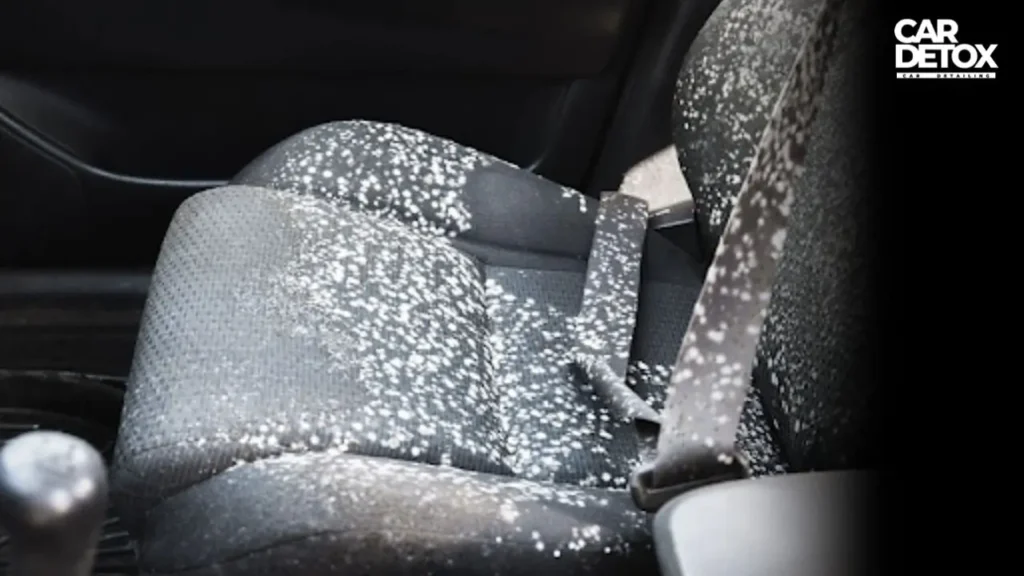
Your car’s early mold detection can prevent health issues and costly repairs. Mold works silently, leaving subtle traces before developing into a serious problem.
Musty or earthy odors
A stale, earthy smell greets you as you open your car door – the first warning sign of mold. Most owners say it smells like a damp basement. Mold creates this musty odor by releasing volatile organic compounds (VOCs) during growth. You’ll notice the smell more after your car sits overnight or in rainy weather. Note that air fresheners can’t eliminate this telltale scent – they just mask the symptom without addressing the mechanisms.
Visible mold patches on seats or carpets
Your vehicle’s interior can show mold in different colors and textures. Watch for fuzzy spots or discoloration on seats, carpets, and fabric surfaces. Black mold appears as dark spots or clustered streaks, while other types can be white, green, or even pinkish-orange. Hidden areas attract mold first – check under floor mats, between seat cushions, and along carpet edges where moisture stays longer.
Increased allergy symptoms while driving
Your frequent sneezing while driving might point to mold. Many drivers get watery eyes, persistent coughs, or runny noses only in their vehicles. These symptoms can affect your driving skills – studies show it’s nowhere near safe, matching a blood alcohol level of .03. People with asthma or weak immune systems face substantially worse and potentially dangerous reactions.
Foggy windows and damp surfaces
Heavy window condensation, especially in parked cars, shows high humidity levels that mold loves. Temperature differences between your car’s interior and exterior cause this fogging. Watch for water stains, dampness, or wet spots on upholstery and carpets. These areas become perfect breeding grounds for mold spores.
What causes mold to grow in cars?
Mold runs on three basic ingredients in your vehicle: moisture, warmth, and something to eat. Your car gives it all three in abundance. Let’s get into the most important reasons behind mold growth in vehicles.
Spilled drinks and food crumbs
The coffee you knocked over or those French fries that fell between the seats create perfect breeding grounds for mold. Spills soak deep into fabrics and carpets and stay there long after the surface looks dry. Trapped moisture lets mold spores settle and multiply. Food debris gives mold the organic matter it needs, which speeds up its spread throughout your car’s interior. Small spills can create much bigger mold problems if you don’t clean them right away, and sugary drinks leave sticky residues that pull in more dirt and dust.
Leaky windows or sunroofs
Water infiltration from outside sources stands as one of the most important causes of vehicle mold. Bad window seals, damaged door frames, or leaky sunroofs let rainwater seep into your car and create the damp conditions that mold loves. Small leaks can turn into big mold problems over time, especially in spots you rarely check, like under seats or inside door panels. Cars that are older or have been in accidents often have broken seals that let water get in during storms or car washes.
High humidity and poor ventilation
Cars left sitting without good airflow become perfect spots for mold to grow. The still air locks moisture inside and creates humid conditions where mold thrives. This gets worse in humid climates or during wet seasons. Daily stuff adds up too—wet umbrellas in back seats, melting snow from boots, or even your breath slowly raises the humidity inside. Mold spores find plenty of chances to settle and spread when there’s not enough airflow to dry things out.
Faulty air conditioning systems
Your car’s AC naturally creates condensation as it cools the air. Good systems drain this moisture away. But broken units can turn into unexpected mold sources. The evaporator core sits deep in your dashboard and collects moisture that can’t drain properly, which creates a dark, wet space. The mold grows inside the system and blows spores through your car whenever you turn on the AC.
Is mold in a car dangerous? Understanding the risks
Mold in your car is not just annoying—it’s a real health hazard. Cars create an enclosed space where mold spores become more concentrated than in your house.
How does mold make you sick?
Your body reacts to mold when you breathe in airborne spores. These tiny particles can trigger allergies, irritate your breathing passages, and sometimes release harmful mycotoxins. People who face long-term exposure might experience memory problems, feel dizzy, or struggle with “brain fog”.
Mold in the car: Symptoms to watch for
You might start with sneezing, get watery eyes, or develop a cough that won’t go away while driving. These symptoms can get worse and lead to headaches, extreme tiredness, skin rashes, and a stuffy nose. The biggest clue is when these problems show up only during your drive—this points to your car as the source.
Impact on children, the elderly, and those with asthma
Some people face bigger risks from mold exposure. Kids breathe faster than adults, which means they inhale more spores. Older people with weaker immune systems could develop serious breathing infections. If you have asthma, mold exposure might trigger attacks or make your symptoms worse.
Damage to car interiors and resale value
Mold doesn’t just affect your health—it ruins your car’s interior by breaking down upholstery, leaving stains on fabric, and creating smells that won’t go away. Fixing these problems can cost thousands, and this is a big deal as it means that your car’s resale value drops.
How to get rid of mold and stop it from coming back
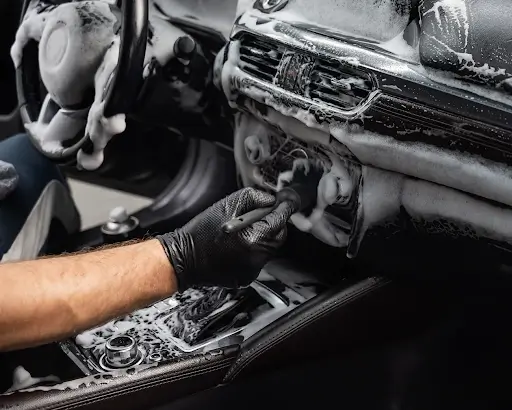
Mold in your car needs quick action and the right game plan. You need to get rid of it completely once you spot it and make sure it doesn’t come back.
DIY cleaning methods that work
Start by using a HEPA filter vacuum to remove loose mold spores. You can make an effective cleaning solution at home by mixing equal parts white vinegar and water in a spray bottle. Another option is to mix one part hydrogen peroxide with five parts water. Baking soda does amazing things with tough mold spots. Just sprinkle it all over the moldy areas, leave it overnight, and vacuum it up the next day.
Products to avoid when cleaning mold
Test bleach on a hidden spot before using it on your car’s upholstery because it might fade the fabric. Stay away from strong chemical cleaners that could harm your car’s interior or leave behind residue. Enzyme-based cleaners made specifically for cars work best.
How to dry out your car properly
Getting your car completely dry is just as important as cleaning it. Park your car in direct sunlight after treatment and keep the doors open so air can flow freely. You can speed things up by using fans or a wet/dry vacuum in blower mode. Make sure everything is 100% dry because even a little moisture can lead to new mold growth within 24-48 hours.
When to call in professionals for mold remediation
You should ask for professional help if the mold covers more than 10 square feet or keeps coming back despite your best efforts. Professional cleaning usually costs between $400-$480 based on how bad the problem is. These services give you a complete solution with ozone treatments that kill airborne spores and replace any materials that are beyond saving.
Conclusion
Mold growth in your vehicle creates more than just an aesthetic problem. These seemingly harmless spores can become serious health hazards in your car’s confined space. You can spot early warning signs like musty odors, visible patches, worsening allergy symptoms, and excessive window condensation to fix problems before they get worse.
Basic maintenance makes a big difference in keeping your vehicle mold-free. Simple steps like cleaning spills right away, checking for leaks after rain, proper ventilation, and servicing your car’s AC system will reduce your risk by a lot. It also helps to keep the interior dry and clean – your best defense against these unwanted guests. For long-term mold prevention—not just surface cleaning—trust Car Detox for expert interior remediation.
FAQs
Look for musty odors, visible mold patches on seats or carpets, increased allergy symptoms while driving, and foggy windows or damp surfaces. These are common signs of mold growth in vehicles.
Mold exposure in a car can cause respiratory issues, allergic reactions, headaches, and fatigue. It’s particularly dangerous for children, the elderly, and those with asthma or weakened immune systems.
Mold thrives in cars due to moisture from spills, leaks, high humidity, and poor ventilation. Food crumbs and malfunctioning air conditioning systems can also contribute to mold growth.
For small areas of mold, you can use DIY methods like vacuuming with a HEPA filter and cleaning with vinegar or hydrogen peroxide solutions. However, if the affected area exceeds 10 square feet or mold keeps returning, it’s best to call in professionals.
To prevent mold growth, clean spills promptly, check for leaks regularly, ensure proper ventilation, maintain your car’s air conditioning system, and keep the interior dry and clean. These steps significantly reduce the risk of mold infestation.