
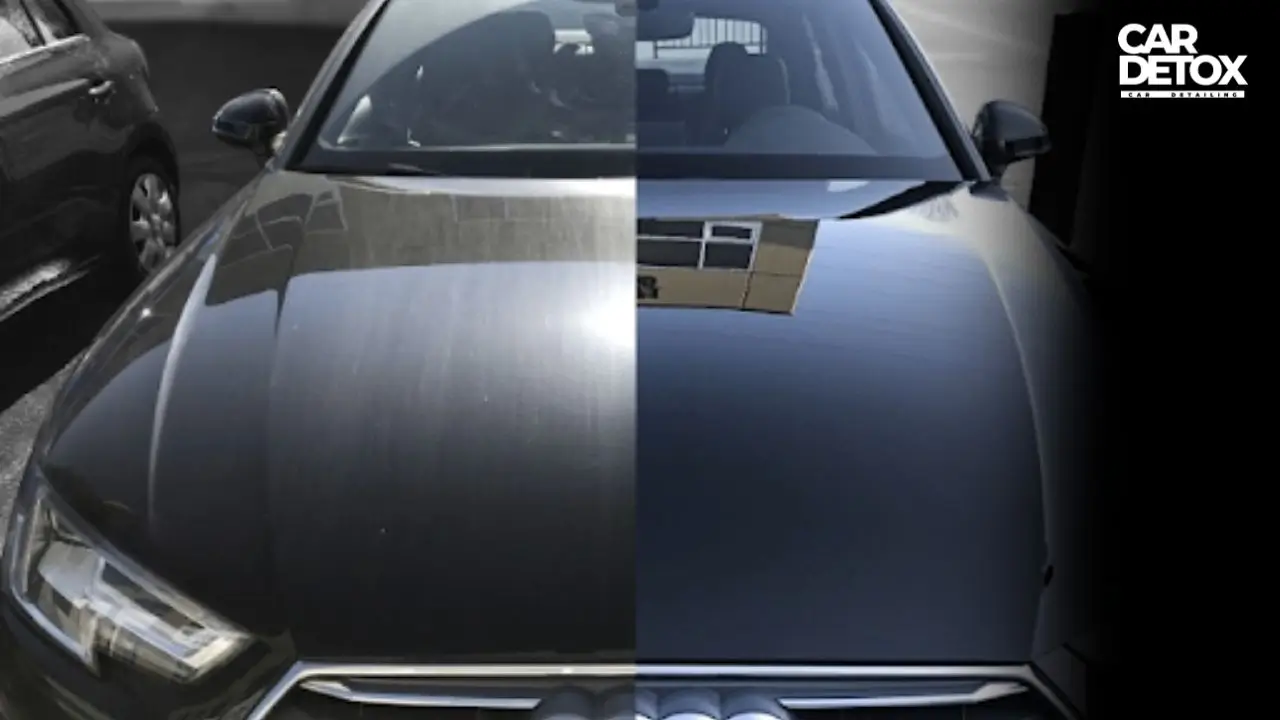
Can you ceramic coat your beloved older car? The answer is yes, and ceramic coating provides major benefits for aging vehicles. Your car's factory paint bonds directly with ceramic coating, creating a durable protective layer that lasts much longer than traditional wax.
The liquid polymer creates a shield against harmful elements when applied correctly. UV rays, bird droppings, tree sap, and acid rain won't damage your vehicle's finish as easily. The coating also makes your car's color look deeper and shinier. Fine scratches become less noticeable, too. Keep in mind that ceramic coating won't magically fix existing paint damage.
This complete guide will help you decide if ceramic coating makes sense for your older vehicle. You'll learn about proper surface preparation, application steps, and ways to maintain the protection. A well-maintained ceramic coating can protect your car for five to seven years. Water beads off easily, and dirt won't stick to the surface. Revive your older vehicle’s shine with Ceramic Coating from Car Detox.
Is Ceramic Coating Worth It for an Old Car?
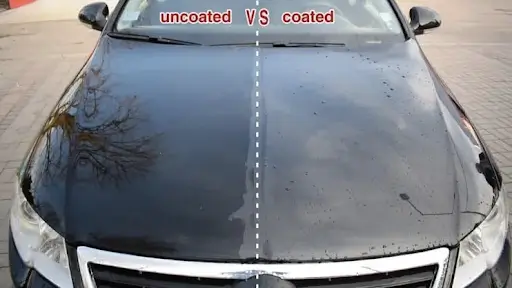
Car owners often ask if ceramic coating is worth it for their aging vehicles. Older cars that have faced years of weather exposure can benefit from ceramic coating in several ways.
Benefits specific to aging paint
Ceramic coating gives new life to older vehicles. It improves color depth and brings back shine to dull surfaces. A ceramic coat improves gloss retention by up to 80% compared to untreated aged finishes after proper paint correction. The coating creates a strong shield against environmental factors that speed up paint deterioration.
The coating reduces surface etching from environmental contaminants by 70% in older vehicles. Classic cars or vehicles with single-stage paint that lack modern clear coat protection benefit greatly from this protection. The coating's hydrophobic properties are a great way to get easier maintenance. Dirt and grime don't stick as much, which means you'll wash less often and use gentler cleaning methods.
When ceramic coating may not be ideal
Ceramic coating has its limits. Cars with bad paint damage need correction first - a ceramic coat won't fix scratches, swirl marks, or paint chips.
The investment might not make sense if you plan to sell your car within a year. Professional ceramic coating costs between $500-$2000 based on your vehicle's size and condition. You'll need to weigh this upfront cost against your older car's value and how long you plan to keep it.
Comparing ceramic coating to other options
Traditional waxes give a rich shine but last only 3-6 months. Synthetic sealants last longer (6-12 months) but still don't match ceramic coating's 2-5 year lifespan.
Wax sits on top of paint, while ceramic coating bonds chemically with the surface and creates a semi-permanent protective layer. This key difference explains why ceramic coatings handle heat, UV rays, and harsh detergents better than wax.
Classic car enthusiasts get unique benefits from ceramic coating. It protects against UV damage and chemical etching while keeping a deep, glossy finish that makes vintage paintwork look amazing.
Getting Ready: What to Do Before You Coat
The right preparation is the foundation of a successful ceramic coating project. Your coating won't deliver its promised benefits without proper surface prep, no matter how high the quality.
Assessing your car's surface condition
Start by looking at your vehicle under bright lighting to spot any imperfections. You'll need to find swirl marks (fine circular scratches), water spot etching, micro scratches (you often can't see these until sunlight hits just right), and oxidation (shows up as dullness or fading). The coating will magnify any defects that lie beneath, making them more noticeable after application. New vehicles typically come with minor paint issues that need fixing.
Fixing scratches and oxidation
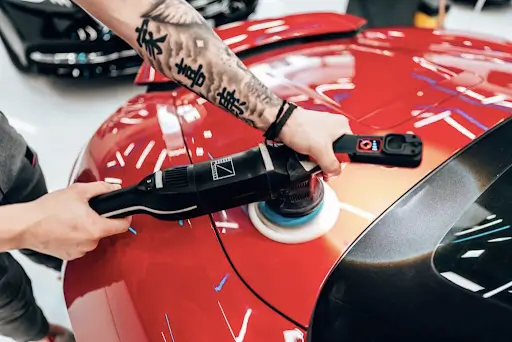
Paint correction is vital before you apply ceramic coating. Machine polishing and abrasive compounds help remove imperfections from your car's clear coat through multiple steps. Oxidation becomes a significant issue with aging vehicles. The process starts with a deep wash and clay bar treatment to get rid of stuck contaminants. You'll then need appropriate polishing compounds applied either by hand or with a dual-action polisher. Heavy oxidation might need progressively finer abrasives to smooth out the clear coat surface.
Essential prep steps before coating
The critical preparation steps after fixing imperfections include:
- Deep cleaning with pH-neutral car shampoo removes surface contaminants
- Clay bar treatment eliminates embedded particles and creates a glass-smooth surface
- Polishing takes care of the remaining minor imperfections and boosts gloss
- Final wipe-down with isopropyl alcohol (IPA) solution removes polishing oils and residues
Research shows that careful surface preparation can boost ceramic coating lifespan by up to 40%. Professional detailers say prep work takes more time and effort than applying the actual coating. Note that ceramic coatings must bond directly with a virgin clear coat that's free from previous protection. Quality preparation isn't just recommended—it determines your results.
How to Apply Ceramic Coating at Home
You need patience and precision to apply ceramic coating yourself. The results can match professional quality at a much lower cost.
Step-by-step application guide
- Set up your environment: The ideal application happens indoors with temperatures between 60-80°F and humidity below 60%. Stay away from direct sunlight or windy conditions that might contaminate the coating.
- Prepare your tools: Give the coating bottle a good shake. Pick a high-quality, lint-free applicator pad and fresh microfiber towels.
- Apply in sections: Each section should be 2-3 square feet. Add a few drops of coating to your applicator pad.
- Spread evenly: Make straight, overlapping lines or create a crosshatch pattern. You should feel the surface become slick during application.
- Watch for flash time: Let it sit for 1-3 minutes until you notice a rainbow effect or haziness.
- Buff gently: Take a clean microfiber towel and remove excess coating with light pressure.
Tips for even coverage and avoiding streaks
Your applicator needs proper saturation from the start. Smaller sections work better in warm conditions. The two-towel method works best - one removes the initial coating and another handles final buffing. Bright light helps you spot imperfections from different angles.
Common mistakes to avoid
Hot surfaces and direct sunlight are your biggest enemies. High humidity (above 70%) and temperatures below 40°F also cause problems. Too much product leads to high spots and streaking. Quick buffing creates smears. Your freshly coated vehicle needs protection from moisture for at least 48 hours.
Aftercare and Long-Term Protection
Your ceramic coating investment needs proper maintenance and constant alertness to stay protected.
How to clean a ceramic-coated car
A pH-neutral car shampoo designed specifically for ceramic coatings works best. Your vehicle needs washing every 1-2 weeks so contaminants don't compromise the protective barrier. Multiple microfiber towels work better than a single wash mitt. Use a fresh towel for each body panel to stop dirt transfer. The coating degrades from swirl marks caused by automatic tunnel washes, so avoid them and never wash in direct sunlight.
Signs your coating is wearing off
These signs tell you it's time for action:
- Water no longer beads up (reduced hydrophobic effect)
- Swirl marks and scratches become more visible
- Dirt and grime stick more stubbornly
- The glossy look starts fading
- The surface feels rough or sticky
Ceramic coating lifespan and reapplication
Quality and maintenance determine your ceramic coating's lifespan, which ranges from 2-5 years. The best coatings last 5-6 years with good care. The old coating must be removed completely before you can apply a new one. The removal process needs high-pH automotive shampoo and clay decontamination.
Cost vs. benefit over time
Ceramic coating saves money through reduced maintenance needs. The original investment protects against environmental contaminants, UV damage, and oxidation. Professional inspections help your coating last longer and provide more value.
Conclusion
Ceramic coating protects older vehicles that traditional products can't match. Your car's paint forms a semi-permanent bond that defends against environmental threats for years while bringing back the depth and shine to aging surfaces. The original investment needs careful thought, especially for vehicles with extensive damage, but the benefits usually outweigh costs for cars you'll keep long-term.
The right preparation makes the difference between poor and spectacular results. A coating won't perform as expected without thorough washing, clay bar treatment, paint correction, and surface decontamination. Taking time during this crucial step leads to a longer-lasting coating. Protect aging paint — book your ceramic coating at Car Detox.
FAQs
Ceramic coating can be beneficial for older cars, especially if they have well-maintained paint. It enhances color depth, restores shine, and provides long-lasting protection against environmental contaminants. However, it's important to address any existing paint damage before application.
A properly applied and maintained ceramic coating can last between 2 to 5 years, depending on the quality of the product and environmental factors. Some high-quality coatings may even last up to 5-6 years with proper care.
While DIY ceramic coating kits are available, professional application is often recommended for the best results. The process requires meticulous preparation and precise application. However, if you're comfortable with detailing work and follow instructions carefully, you can apply it yourself.
Maintain a ceramic-coated car by washing it every 1-2 weeks using a pH-neutral car shampoo specifically designed for ceramic coatings. Avoid automatic car washes and wash in the shade. Regular maintenance helps preserve the coating's hydrophobic properties and protective qualities.
Ceramic coating does not prevent physical damage like scratches or rock chips. It primarily protects against chemical damage and makes the surface easier to clean. For protection against physical damage, paint protection film (PPF) is a more suitable option.

Revive your ride anytime, anywhere
Schedule AppointmentQuestions? Call us now!