
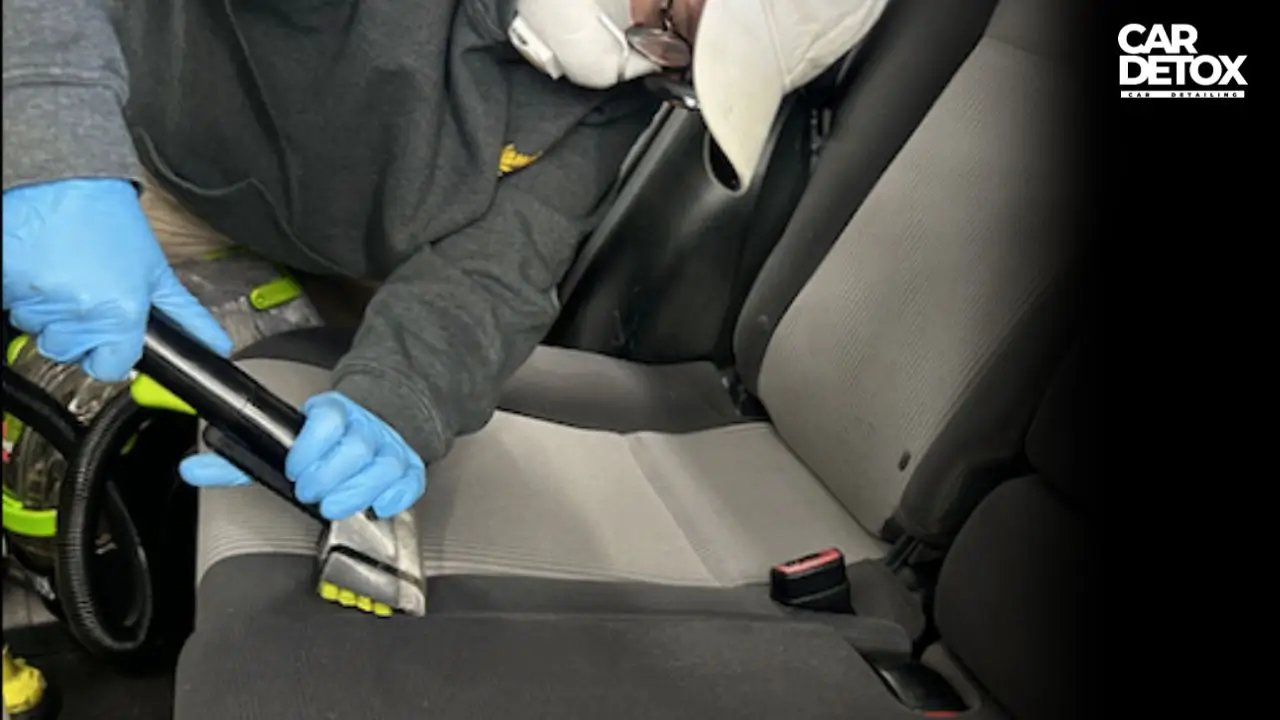
Mold runs in moist, warm spaces that perfectly match many unkempt cars during rainy seasons. This spring, I got countless calls about cars covered in mold. Some mold species can be deadly when people breathe them in or ingest them.
Your car's seats face a higher risk because they sit in enclosed spaces that often trap humidity and moisture. Mold spreads faster throughout your vehicle's interior since it travels through the air. You've reached the right place if you want to know how to get rid of mold on car seats or how to remove mold from car seats. I'll share my professional technique in this piece to remove car seat mold in just one day. This method works on fabric, leather, and other surfaces. On top of that, we'll explore ways to keep the mold from coming back after you clean it. Don’t let mold ruin your ride. Book a same-day interior detailing with Car Detox and get your car seats deep-cleaned, sanitized, and fresh again — all in one visit.
What Causes Mold on Car Seats?
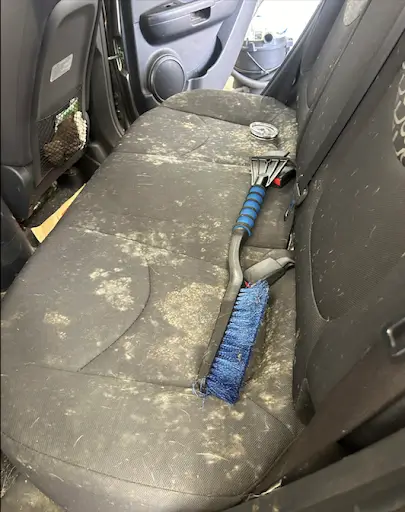
You need to understand why mold grows on car seats to work on cleaning and prevention. Your vehicle's interior creates perfect conditions for mold when three elements come together: moisture, poor air circulation, and organic material.
Moisture from spills or leaks
Excess moisture that doesn't dry properly leads to most car seat mold problems. Drink spills happen all the time in cars, and they can seep deep into upholstery and padding if you don't clean them right away. Your car's interior becomes a breeding ground for mold when rainwater sneaks in through damaged window seals, sunroofs, or doors.
Temperature changes create another problem through condensation, especially when you have big differences between inside and outside temperatures. Water droplets form on cooler surfaces and soak into fabrics. This happens most often during winter months when temperature variations are more extreme.
Mold can start growing from moisture left by wet clothes, umbrellas, or gym bags in your car overnight. The tricky part is that mold spores are too small to see until they've formed colonies, and that makes cleaning much harder.
Poor ventilation and high humidity
Your car traps moisture when it sits parked with closed windows and doors for long periods. The air becomes stagnant, and humidity can't escape without proper circulation, which creates ideal conditions for mold.
Mold thrives when relative humidity hits 70-93 percent. Cars in humid regions or those parked during rainy seasons can reach these levels quickly. Then vehicles left unused or often parked near the coast face higher risks.
You might notice warning signs like foggy windows, musty smells, and water drops on interior surfaces.
Organic material like food or sweat
Mold needs food to grow, and your car has plenty of it. Food bits from snacks, hidden in seat crevices or under floor mats, feed growing mold colonies perfectly.
Your car's upholstery, carpeting, and seat padding fibers also feed mold. Even the dust, skin cells, and sweat that soak into car seats create a layer where mold can thrive. This explains the mold patches that show up where people sit most often.
The enzymes that mold releases break down these materials, which is why your car's interior can suffer permanent damage if you leave mold untreated.
Step-by-Step: How to Get Mold Out of Car Seats
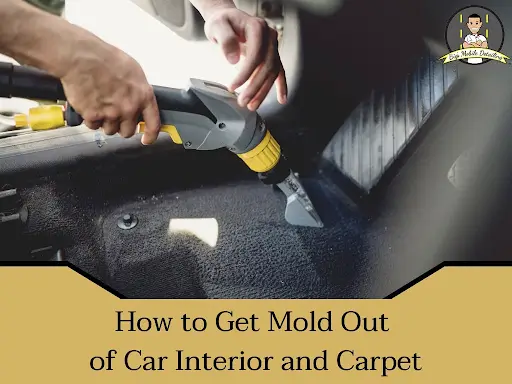
Getting rid of mold on car seats needs protective gear and a step-by-step process of how to clean mold off car seats. My years of professional detailing work have helped me develop a reliable, same-day method that removes mold safely.
Remove trash and wet items.
Start by parking your car in a ventilated area. Put on protective gear - gloves, a mask (ideally a respirator), and eye protection to stay safe from mold spore exposure. Take out all personal items, especially damp things like wet towels, gym clothes, or seat covers that make mold grow faster. Remove floor mats, trash, and any parts you can detach to reach all affected areas. This crucial step stops contamination from spreading and removes moisture sources.
Vacuum all surfaces thoroughly
After clearing everything out, grab a vacuum with a HEPA filter. This captures loose mold spores without releasing them back into the air. Work your way across every surface - seats, carpets, floor areas, and spots under the seats where mold likes to hide. Focus on seams, crevices, and areas around seat tracks that collect food particles and dirt. A good vacuum job creates a clean base before you use any liquid cleaners.
Apply mold cleaner or a vinegar solution.
Mix your cleaning solution next. Equal parts distilled white vinegar and hot water do the job nicely. Tough mold might need pure vinegar or a mix with baking soda for extra punch. Spray the solution generously on affected areas and keep the car doors open for air flow. Let it sit 15-20 minutes - this gives the acidic vinegar time to kill those mold spores.
Use a wet/dry vacuum or steam cleaner.
Once the solution soaks in, use a wet/dry vacuum with an upholstery attachment to pull out moisture and dead mold. Steam cleaning works great too - hot vapor at 125°C gets deep into fabrics to kill bacteria without soaking them. Steam leaves seats just slightly damp, which means faster drying and less chance of new mold.
Dry the car completely.
The final step - drying - makes all the difference in stopping mold from coming back. Leave your car in direct sunlight with windows cracked open. Speed things up with fans or a dehumidifier. Run your car's AC for about 20 minutes to move dry air through the interior. Wait until everything's bone dry before putting the removed items back.
When to Call a Professional
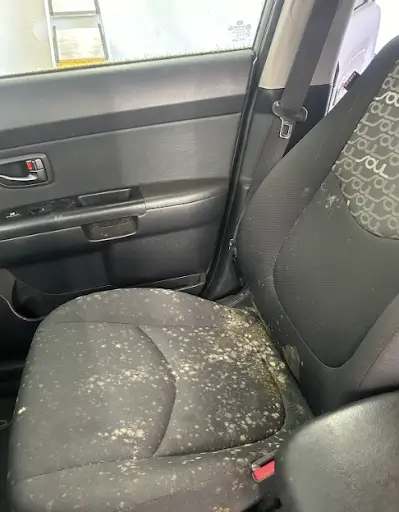
DIY cleaning works well for small mold problems, but sometimes you'll need professional help to clean mold off car seats. Some situations show deeper issues that regular cleaning can't fix.
Mold keeps coming back.
When mold returns after thorough cleaning, it usually means the infestation has spread to hidden spots like under seats or inside vents. Professional cleaners use industrial dehumidifiers, steam cleaners, and ozone generators to clean these hard-to-reach areas. They can also test for hidden contamination sources to make sure your car is completely mold-free. Mold spreads fast — and the longer it sits, the harder it is to remove. Our same-day interior cleaning gets rid of it for good. Schedule your Car Detox treatment today and breathe clean again.
You see black or white mold patches.
Black mold poses the most serious health risks and can cause dangerous symptoms like bloating, abdominal pain, and breathing problems. White mold patches also need quick professional attention, though they're not as dangerous as black mold. Professional cleaners have the right protective gear and know-how to remove these dangerous molds safely without spreading spores through your car.
You feel sick after being in the car.
If you start coughing, sneezing, or notice nasal congestion and throat irritation after driving, you might have mold exposure. People with respiratory conditions or weak immune systems often have worse reactions. You should get professional help if you get headaches, constant sniffles, or unexplained breathing problems after sitting in your car. Long-term mold exposure can even cause neurological issues like mood changes or confusion.
How to Prevent Mold from Returning
Mold won't come back if you stay on top of moisture control. These steps will keep your car's interior fresh and healthy after you've dealt with mold.
Keep windows closed during rain.
Good moisture control starts with proper sealing. Check your door seals and weather stripping for damage that could let rainwater in. Rain guards let you crack your windows open for fresh air without rain getting inside. Cars in long-term storage need a full check for leaks around windows, sunroofs, and doors that might bring in extra moisture.
Avoid eating or drinking in the car.
Mold loves to grow on food crumbs. Spilled coffee and forgotten snacks leave behind organic material that feeds mold spores. Clean up food messes right away to stop mold from growing later. Small crumbs stuck in seat crevices can trap moisture and let mold thrive.
Clean and disinfect regularly
A weekly cleaning stops mold from taking hold. Vacuum your carpets and clean surfaces with vinegar-water solutions or special cleaners. Your car's AC or heater can help dry out the air when you run it now and then. Products with mold inhibitors offer good long-term protection.
Use moisture absorbers in storage.
Silica gel packets or commercial dehumidifier pouches help curb excess humidity. Put these under your seats, in footwells, and in the trunk to soak up moisture. These absorbers keep working for over 90 days in humid conditions and catch airborne moisture before mold can grow.
Conclusion
Getting mold out of car seats needs thorough cleaning and consistent prevention. This piece shows how moisture, poor ventilation, and organic materials create perfect conditions for mold to grow in vehicles. You need to tackle all three factors to keep your car interior mold-free.
Prevention ended up saving time and protecting health. Your risk goes down substantially when you keep windows closed during rain, avoid food in your vehicle, clean regularly, and use moisture absorbers. These simple practices make all the difference between a fresh, healthy car interior and one with persistent mold problems.
Note that mold runs on neglect but can't survive consistent care. Your dedication to these cleaning and prevention methods will give a safe, comfortable space instead of a breeding ground for harmful spores. Quick action at the first sign of mold will protect your vehicle's value and respiratory health for years. You don’t have to handle toxic mold on your own. Car Detox uses safe, professional-grade tools to kill mold at the source and restore your interior.
Book your same-day mold removal service now and get back to a cleaner, healthier car!
FAQs
Mold in car seats is primarily caused by excess moisture from spills or leaks, poor ventilation leading to high humidity, and the presence of organic materials like food crumbs or sweat that serve as food sources for mold.
To clean mold from car seats, start by removing all items and vacuuming thoroughly. Then, apply a vinegar solution or mold cleaner, use a wet/dry vacuum or steam cleaner to extract the moisture, and ensure the car is completely dry afterward.
Consider professional help if the mold keeps returning despite thorough cleaning, if you notice black or white mold patches, or if you experience health symptoms like coughing or headaches after being in the car.
To prevent mold recurrence, keep windows closed during rain, avoid eating or drinking in the car, clean and disinfect regularly, and use moisture absorbers when storing the vehicle for extended periods.
For minor mold situations, DIY cleaning using proper protective gear can be effective. However, if you encounter extensive mold growth, particularly black or white patches, or if you have health concerns, it's safer to consult a professional for proper removal and treatment.
Our Popular Services
Car Detailing Services | Ceramic Coating Services | Pet Hair Removal Services | Mobile Auto Detail Services Happy Valley | Car Detailing Services in Tualatin
Find Us On Map
Car Detox - Auto Detailing Services
Book An Appointment



Revive your ride anytime, anywhere
Schedule AppointmentQuestions? Call us now!