
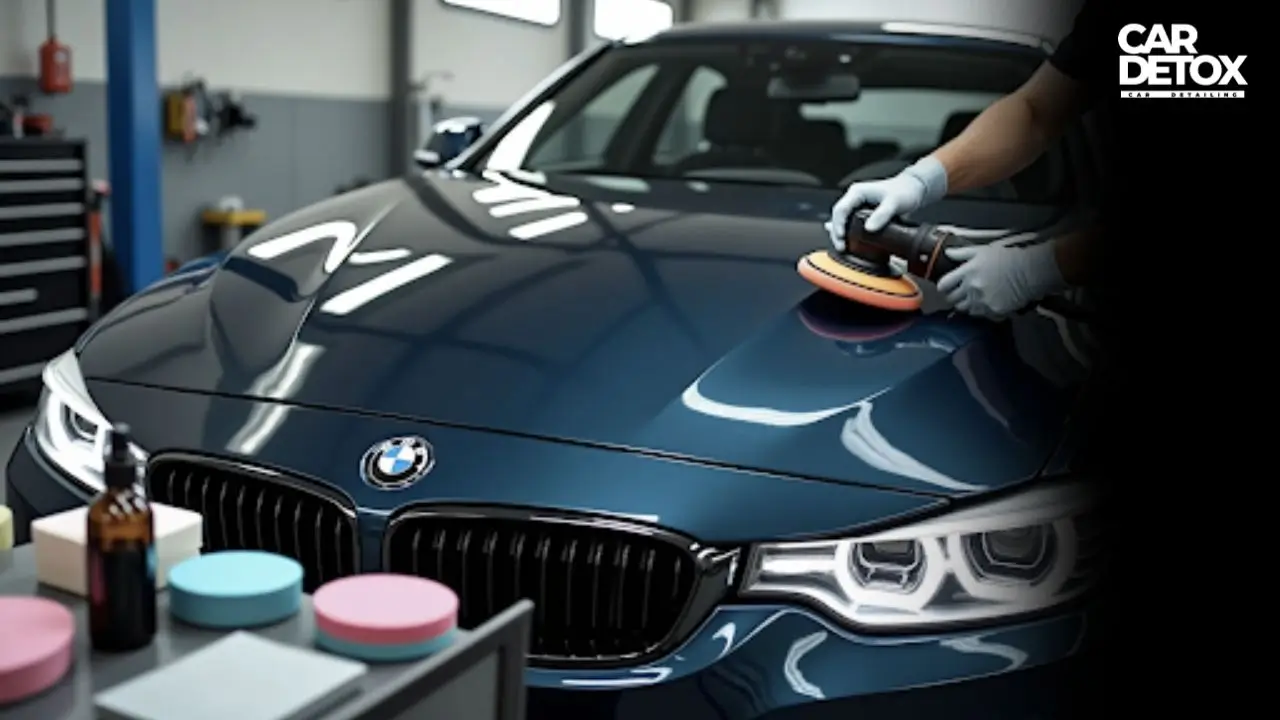
Your car's paint can shine and stay protected for up to five years with ceramic coatings.
The right preparation makes all the difference before applying any ceramic coating. Many car owners skip the most significant step - how to polish a car before ceramic coating. The ceramic coating won't bond properly to your paint surface without this vital preparation. You'll end up wasting your time and money.
Professional detailing experience shows that polishing before ceramic coating gives your car the best possible shine. This step removes oxidation, swirl marks from automatic car washes, and other imperfections that would get sealed under your ceramic coating.
Your vehicle needs proper washing and decontamination before polishing can begin. Paint correction takes the most time and effort in your ceramic coating prep. The careful preparation helps ceramic coatings protect against flying debris, acid rain, and powerful UV rays. Your car stays smooth and glossy for up to a year.
This piece will show you how to prep your car for ceramic coating. We'll focus on polishing techniques that professional detailers use to create stunning results. Get that flawless mirror finish before your ceramic coating—trust Car Detox to prep, polish, and perfect your ride.
Why Polishing Before Ceramic Coating Matters
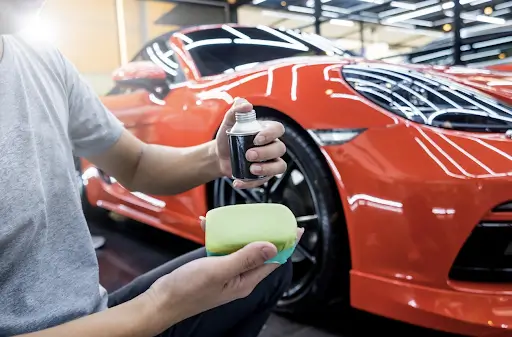
Polishing isn't just another step—it's the foundation of a successful ceramic coating application. Let's look at what's happening to your vehicle's paint to understand why polishing matters so much.
What polishing actually does to paint
Polishing works as a corrective process that removes a microscopic layer of your car's clear coat. The mild abrasives in polishing liquid flatten the clear coat and eliminate light scratches, swirl marks, and oxidation. The process creates a smooth, level surface by removing damaged clear coats to reveal fresh paint beneath.
The difference between polished and unpolished surfaces stands out. A well-polished surface reflects light evenly and shows a lot deeper gloss—up to 30% more clarity than unpolished surfaces. The process doesn't just boost aesthetics. It prepares the paint by removing contaminants that washing alone can't eliminate.
How ceramic coating bonds to surfaces
Ceramic coatings create a semi-permanent bond at the molecular level after they cure. The surface needs to be completely free of contaminants and imperfections to develop this bond. Yes, applying ceramic coating over unpolished paint indeed reduces bonding strength by a lot.
A polished surface helps ceramic coatings create a stronger chemical attachment. This improved bonding makes the coating last longer—often the difference between 1-2 years of protection versus the expected 3-5 years.
Common myths about polishing and coating
People believe several myths about the polishing process:
- Myth: New cars don't need polishing - Even brand-new vehicles usually have swirl marks from dealership prep and transport
- Myth: You must use the coating brand's polish - Any quality polish with proper panel prep will work well
- Myth: All surfaces require polishing - Glass and plastic trim don't always need polishing before coating
- Myth: Polishing is only about looks - In fact, polishing serves a practical purpose by creating optimal bonding conditions
Note that ceramic coatings lock in the paint's condition at application time. Any scratches or imperfections not fixed will stay sealed underneath, making them impossible to correct without removing the coating completely. Skip the DIY stress—Car Detox delivers expert polishing and ceramic coating that keeps your car shining longer.
Step-by-Step Prep Before Polishing
A successful ceramic coating application starts with proper preparation. Professional results demand a really clean and decontaminated vehicle surface through these key steps.
Wash with wax-free shampoo.
Your vehicle needs a pH-neutral, wax-free car shampoo wash. This goes beyond a regular maintenance wash because you need cleaning that removes previous waxes and sealants from the paint surface. These products create barriers between your polish and the clear coat that interfere with correction work.
Rinse your vehicle to remove loose debris. Mix a stronger ratio of wax-free shampoo in your wash bucket based on pre-polish preparation recommendations. Products like Chemical Guys Citrus Wash or P21S Total Auto Wash work great to break down previous waxes and sealants. Use a clean microfiber wash mitt to work from top to bottom and rinse the surface completely after washing.
Use an iron remover to eliminate embedded contaminants
The next step uses an iron remover to break down ferrous contaminants stuck in your paint. Regular washing can't remove these particles—mostly brake dust, rail dust, and industrial fallout—and they'll affect your polishing results.
Spray the iron remover evenly on cool paint surfaces and let it sit for 3-4 minutes. The product changes color (usually purple or red) when it reacts with metallic particles. This color change shows the contamination dissolving. A complete rinse removes all residue afterward.
Clay bar to remove surface particles
The clay bar helps remove any remaining bonded contaminants. The "baggie test" tells you if you need clay—just slide a plastic sandwich bag over your hand and feel the paint surface. A rough or gritty texture means you need clay barring.
The clay bar process works best when you:
- Take a small piece of clay and flatten it into a disk
- Apply clay lubricant generously on the clay and a 2' x 2' paint section
- Move the clay back and forth (never in circles) with light pressure
- Keep folding and kneading the clay as it collects contaminants
- Do another baggie test to check your work
- Use a microfiber towel to wipe the area before moving on
Your paint should feel smooth as glass when you finish—creating the perfect base for polishing and ceramic coating application.
How to Polish a Car for Ceramic Coating
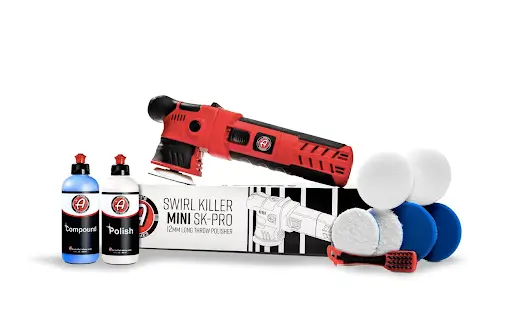
Polishing plays a crucial role in ceramic coating application. Success depends on precision and the right approach. Let's look at professional techniques that deliver outstanding results.
Choose the right polish and pad combo.
Your pad selection should match your paint defect severity. Light swirls need a foam polishing pad, moderate scratches require a medium-cut foam or microfiber pad, and severe defects demand heavy-cut pads. Professional detailers start with the least aggressive option and increase only when needed. They test combinations on a small hidden area before tackling the whole car.
Use a dual-action polisher for an even result.
Dual-action polishers offer more safety than rotary machines. Their random motion prevents heat damage. The quickest way to get great results is by maintaining consistent speed (typically 3-5) with moderate pressure. The machine should do most of the work - excessive pressure will stall the polisher and create uneven results.
Work in 2x2 sections for control
Small 2x2-foot areas need slow, overlapping passes in a crosshatch pattern. This step-by-step approach will give a complete, even coverage. Clean microfiber towels should remove residue after each section before moving forward.
Inspect your work under proper lighting.
A full picture requires 5000K LED lighting. Checking defects from multiple angles reveals imperfections that direct lighting might miss.
Avoid over-polishing thin, clear coats.
OEM clear coats remain quite thin (25-50 microns). Each polishing session removes about 3 microns of clear coat. UV protection stays intact when you remove only 25% of the factory thickness. This means polishing should happen only when absolutely needed.
Final Surface Prep Before Applying Ceramic Coating
Your ceramic coating's success relies on what happens after polishing but before application. This final prep stage will give a perfect bond without any contaminants getting in the way.
Wipe down with panel prep solution.
Your car's surface holds oils and residues after polishing. You need to remove these for the coating to stick properly. Panel prep solutions (also called panel wipe or surface cleanser) use special solvents that strip away invisible barriers. Quality panel preps work better than regular alcohol solutions. They can dissolve heavy petroleum-based carrier oils found in polishing compounds.
To get the best results:
- Spray panel prep directly onto a folded microfiber towel or the surface
- Work in small sections and wipe with medium pressure
- Use a second clean microfiber towel to buff the area dry
- Fold towels often to keep a clean wiping surface
Check for polish residue or oils
Residue might stay hidden even after wiping down. Look at each panel under bright but spread-out lighting. Direct spotlights don't show coating residue well. The surface should feel squeaky clean. Any slight stickiness means oils are still there. Panel prep acts like a "truth serum" that shows your paint's real condition.
Ensure the surface is cool and dry.
Temperature control is a vital part of final prep. Keep the surface between 50-85°F (10-30°C). Check panel gaps and crevices carefully for trapped moisture that could affect how well the coating sticks. Let the panel prep dry completely before moving forward. Rushing this step might trap moisture under your coating. Once it's fully dry, you can start applying the ceramic coating.
Conclusion
Polishing your car before ceramic coating is the most important step to get that perfect, long-lasting shine. The time you spend on proper preparation will give you better durability and superior looks. Polishing also creates the perfect base that lets ceramic coatings bond at the molecular level.
Note that ceramic coatings lock in your paint's condition when you apply them. Any shortcuts during prep work will lead to poor protection and a less appealing look. Many enthusiasts rush through polishing and regret it later when imperfections get sealed permanently beneath their coating.
Your ceramic coating works only as well as the surface underneath lets it. These prep steps aren't just suggestions—they make the difference between wasted effort and years of stunning, protected paint. This process just needs patience and attention to detail. The results will show every time you see your perfectly coated car shine in the sunlight. Protect your car’s shine and restore its brilliance with Car Detox—book your detailing service today!
FAQs
Crucially, polishing before ceramic coating removes imperfections and smooths the surface to ensure the coating bonds accordingly, which guarantees the coating protection and the finish longevity.
Although it does not suggest doing so, it is indeed possible. However, not polishing before ceramic coating is not a wise idea. It can produce inferior results, leaving imperfections and contaminants to get sealed, thus affecting the coating performance and look.
To get the best preparation, you should wash using a wax-free shampoo, apply an iron remover, clay the surface, polish to remove imperfections, and finish by wiping down with a panel prep solution to ensure a clean, contaminant-free surface.
It is possible for polishing to take a significant amount of time, oftentimes several hours, and it really depends on the size and condition of the car. It, however, is the most labor-intensive step in the ceramic coating process. It is very important to be time-intensive to achieve the best results.
While you can use various high-quality polishes, it's important to choose one that doesn't leave behind oils or residues. Always follow up with a thorough panel prep wipe-down to ensure the surface is completely clean before applying the ceramic coating.
Q1. Is polishing required before applying ceramic coating?
Crucially, polishing before ceramic coating removes imperfections and smooths the surface to ensure the coating bonds accordingly, which guarantees the coating protection and the finish longevity.
Q2. Can I skip polishing and just apply ceramic coating on my vehicle?
Although it does not suggest doing so, it is indeed possible. However, not polishing before ceramic coating is not a wise idea. It can produce inferior results, leaving imperfections and contaminants to get sealed, thus affecting the coating performance and look.
Q3. How should I get my car ready for ceramic coating? To get the best preparation, you should wash using a wax-free shampoo, apply an iron remover, clay the surface, polish to remove imperfections, and finish by wiping down with a panel prep solution to ensure a clean, contaminant-free surface.
Q4. How long does polishing take before applying ceramic coating?
It is possible for polishing to take a significant amount of time, oftentimes several hours, and it really depends on the size and condition of the car. It, however, is the most labor-intensive step in the ceramic coating process. It is very important to be time-intensive to achieve the best results.
Q5. Can I use any type of polish before ceramic coating? While you can use various high-quality polishes, it's important to choose one that doesn't leave behind oils or residues. Always follow up with a thorough panel prep wipe-down to ensure the surface is completely clean before applying the ceramic coating.
Our Popular Services Car Detailing Services | Ceramic Coating Services | Pet Hair Removal Services | Mobile Auto Detail Services Happy Valley | Car Detailing Services in Tualatin
Find Us On Map
Car Detox - Auto Detailing Services
Book An Appointment

Revive your ride anytime, anywhere
Schedule AppointmentQuestions? Call us now!