

Foggy windows can make winter driving a real challenge. A clear view through your windshield is vital for safe driving year-round. Your safety depends on knowing how to prevent window fog, which goes beyond mere convenience.
The temperature gap between your car's interior and exterior creates the perfect conditions for foggy windows. Your vehicle's warm, humid air meets the cold window surface and creates condensation - that frustrating fog we all know too well. Windows "sweat" during the winter months and create dangerous driving conditions that could lead to accidents.
Your constantly fogging windows might point to a bigger issue, like a broken seal. This could eventually cause water damage and mold growth, so learning proper prevention techniques is significant for both your immediate safety and vehicle maintenance. Improve winter visibility — book a glass treatment at Car Detox.
Why does Windows Fog Up in Winter
The science behind foggy windows in winter is the sort of thing I love, and knowing how it works will help you solve the problem better. Let's look at why this happens and what it means when you're driving.
Temperature differences between inside and outside
Your windows get foggy because of the big temperature gap between your warm car interior and the cold winter air outside. The window glass becomes a meeting point where warm, moist air from inside your car hits the cold glass that's getting chilled by outside temperatures.
The condensation shows up right when your window's temperature drops below what scientists call the "dew point" of the air inside your car. This happens because cold air can't hold as much moisture as warm air. The warm air inside your vehicle cools faster when it touches the cold window surface and releases moisture as tiny water droplets – that's the fog we see.
You'll notice this more on your windshield than on other windows because it gets colder from direct exposure to outside elements. The slanted windshield might collect more condensation than vertical windows. This happens because it offers a more horizontal surface where moisture can settle.
Humidity and moisture buildup
The moisture level inside your car affects how fast and how badly your windows fog up. Regular activities in your vehicle add to humidity levels – something many drivers don't know about. Four people's normal breathing and sweating add about half a pint of water to the air every hour, which is a big deal as it means that.
Relative humidity measures how much water vapor the air has compared to its maximum capacity at a specific temperature. At 100%, the air becomes fully saturated and can't hold more moisture, so it sticks to cool surfaces like your windows.
Your fogging problems get worse when you bring more moisture into your car. Wet items like snow-covered boots or damp clothing eventually evaporate and raise humidity levels.
Why windows sweat in winter explained
Windows "sweat" in winter because they're usually the coldest surfaces in your car or home interior. This makes them the first place where moisture turns into water droplets when humidity rises.
In stark comparison to this, foggy windows don't mean there's anything wrong with your windows – they show that your windows keep heat inside your vehicle well. The temperature difference they maintain between inside and outside creates ideal conditions for condensation.
Cars with excellent insulation and air-tight seals might fog up more. These features help save energy but also keep humid air trapped inside, leaving moisture no choice but to stick to your cold windows. Older vehicles with worn-out weatherstripping let outside moisture come in, which creates different but equally challenging fogging issues.
These basic principles are your starting point to find real solutions that keep your windows clear and your winter driving safe.
8 Ways to Stop Windows from Fogging Up
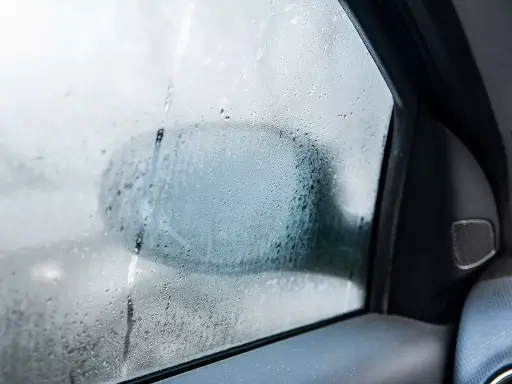
Foggy windows can be a real hassle during cold weather. The good news is you can try several proven ways to keep your vision clear. Here are eight practical ways to stop your windows from fogging up this winter.
1. Use an anti-fog spray or solution
Anti-fog products create a protective layer that stops condensation from forming on glass surfaces. Products like Rain-X Anti-Fog help you see better and last several weeks when applied correctly. You should clean your windows first, then put a moderate amount on a lint-free cloth and wipe in back-and-forth motions until it spreads evenly.
2. Apply shaving cream as a temporary fix
Regular shaving cream works surprisingly well as an anti-fog treatment. The cream leaves a residue that breaks down water's surface tension and stops condensation. Just spread a small amount on the inside glass and wipe it clean with a dry cloth. Many eye care experts think this method lasts longer than some store-bought solutions.
3. Crack your windows slightly while driving
A small window opening lets humid air escape and balances the temperature between inside and outside. This simple trick is free and reduces moisture buildup. The best results come from cracking the windows before condensation starts to form.
4. Turn off air recirculation mode
Recirculation helps cool your car faster but raises humidity levels. Switch to fresh air mode when you notice fogging. Fresh outside air comes in and helps lower interior moisture levels to prevent condensation.
5. Use your car's defroster effectively
Your defroster exists to curb foggy windows. Follow these steps for the best results:
- Set the temperature to warm or hot
- Turn the fan to medium or high
- Turn on your AC (most vehicles do this automatically)
- Point the airflow at the windshield
Your AC system removes extra moisture, while warm air prevents condensation.
6. Install an anti-fog film on your windshield
Anti-fog films offer a lasting solution. These special films create a surface where condensation rarely forms, even in high humidity. Military-grade options work well in hot, humid, cold, and rainy conditions. Quality anti-fog film fits surfaces of any size, resists scratches, and keeps glass from shattering.
7. Place a sock filled with kitty litter on the dashboard
This home remedy works better than you might expect. Kitty litter's clay particles excel at pulling moisture from your car's interior. Fill a clean sock with silica-based (non-clumping) cat litter, tie it closed, and leave it on your dashboard overnight. The litter draws moisture from the air before it can settle on windows.
8. Use a portable dehumidifier in your car
Car dehumidifiers like Pingi solve moisture problems, including morning fog on windows. These rechargeable devices contain moisture-absorbing materials like silica gel beads that pull humidity from the air. Purpose-built dehumidifiers can absorb up to 400ml of water and work for years.
How to Prevent Windows from Fogging Up Long-Term
Quick fixes won't solve window fog problems. The best solution lies in tackling why it happens. These strategies will keep your windows clear all winter without constant attention.
Keep your car interior dry and clean.
Dirt does more than look bad—it holds moisture and heat that makes windows fog up. A clean interior is vital to stop condensation from forming. Your windshield's inner surface needs special attention since particles from inside create a film that leads to fogging. Glass cleaners work best to clean windows. Don't use your hands, as this creates more streaks.
Avoid leaving wet items inside the vehicle.
Wet floor mats often cause high cabin humidity. The Royal Automobile Club points out that damp mats left overnight will fog up your windshield. You should remove all sources of moisture after driving. Put wet clothes in bags instead of letting the seats soak them up. Shake off the snow before getting in. Keep drinks sealed and clean up spills right away. Take out the soaked floor mats and let them dry elsewhere.
Use climate control features if available.
Your car's climate control system helps fight fog better than anything else. In stark comparison to this common belief, running AC in winter helps remove moisture from the air. Make sure your blower pulls in fresh air rather than recycling cabin air, which traps moisture inside. Cars with advanced climate features should maintain steady temperatures to reduce condensation while driving in winter.
When Fogging Means a Bigger Problem
Normal window fogging happens occasionally, but constant issues might reveal deeper problems. Seal failure becomes evident when condensation appears between glass layers in double-paned windows. This compromises insulation properties and visibility. The whole unit might get pricey to replace if you ignore the problem.
Your windows need professional attention when they fog up, even with the defroster running, especially when you have a sweet smell or slimy residue on glass surfaces. Engine coolant leaking into the heating system usually causes this issue. Mechanics must disassemble the dashboard extensively to fix this problem.
Several warning signs need expert diagnosis:
- The temperature gauge reading is unusually low
- Multiple dashboard warning codes
- The heater is blowing cold air after the engine warms up
- Visible coolant leaks under your vehicle
Light scatters more intensely through pitted or sand-blasted glass, which makes fogging problems worse, particularly at night. Residue builds up in chips, cracks, and aged wiper streaks that increase glare. This creates both safety and legal risks. You might face fines or penalties for driving with obstructed vision, and insurance companies could label accidents from poor visibility as negligence. Your vehicle faces more than just visibility problems from constant humidity inside. Mold can grow, electronics can deteriorate, and critical components like accelerator sensors might corrode. Quick action on stubborn fogging issues protects your safety and your vehicle's lifespan. Get professional anti-fog glass care from Car Detox.



Revive your ride anytime, anywhere
Schedule AppointmentQuestions? Call us now!