
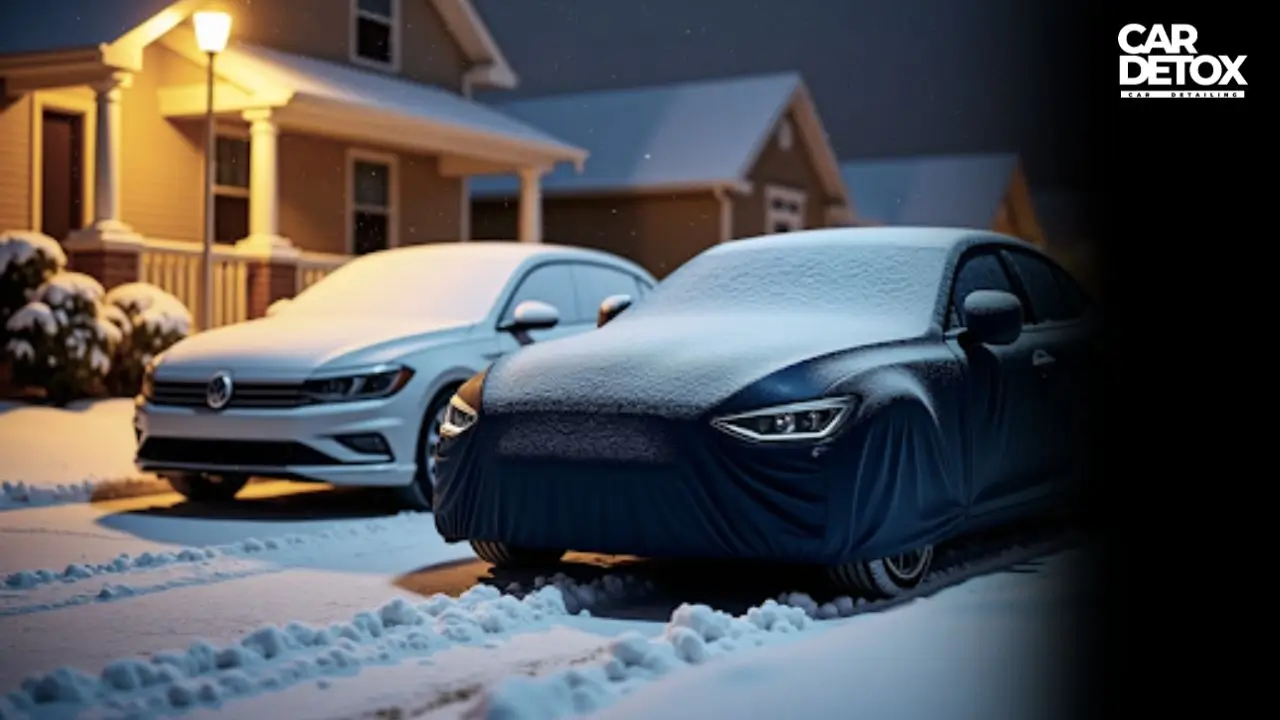
Chicago's harsh winters make car protection from snow essential, especially with average winter snowfall exceeding 35 inches. Snow-covered vehicles and frozen doors become a common sight as temperatures drop below freezing.
Life gets tougher without a garage to protect your car from snow. Clearing off your vehicle takes 5-10 minutes, while road salt used to keep streets ice-free slowly damages your car's exterior. Cars aged 5-10 years deteriorate faster during winter without proper care and end up losing thousands in value.
The situation isn't hopeless, though. We've gathered eight practical ways to shield your car from snow tonight. These solutions work perfectly against light snowfall or heavy accumulation. Let's head over to these simple techniques that will save your money, time, and help you avoid those frustrating early mornings! Winter-proof your vehicle with seasonal detailing from Car Detox.
Quick Methods to Protect Your Car from Snow Tonight
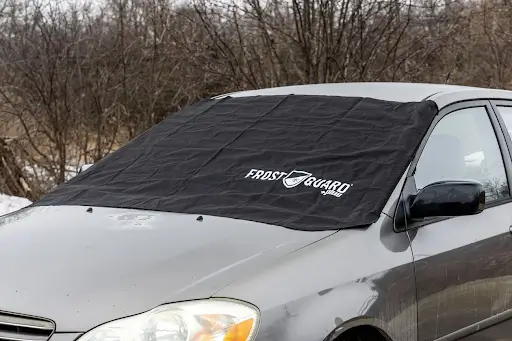
These eight quickest ways will protect your vehicle from tonight's snow forecast. You can implement each technique in minutes and avoid much trouble tomorrow.
1. Use a car winter cover for snow
A quality winter car cover creates a protective barrier against snow buildup. Your vehicle's specific model ensures a perfect fit. Winter-specific covers work better than standard ones because they handle harsh weather while keeping moisture away from the surface.
2. Turn up your windshield wipers
You should pull your wiper blades away from the windshield before parking at night. This step prevents ice from forming on the blades and stops them from sticking to the glass. Old tube socks work great as extra protection for raised wipers during freezing rain or heavy snow.
3. Cover your windshield with a towel or mat
A towel, rubber mat, or cardboard works well when you don't have a specialty cover. Place it on your windshield and secure it under the wipers. The edges can be closed into your doors for better stability in the wind. Some drivers make their cloth covers more effective by soaking them in a saltwater solution (1 tbsp salt to 1 quart water).
4. Wrap side mirrors with plastic bags
Rubber bands help secure plastic bags around your side mirrors to keep snow and ice away. This clever trick will give a clear view without morning scraping. Regular grocery bags work well, though dedicated mirror covers with drawstrings protect better.
5. Apply a quick spray wax or graphene coat
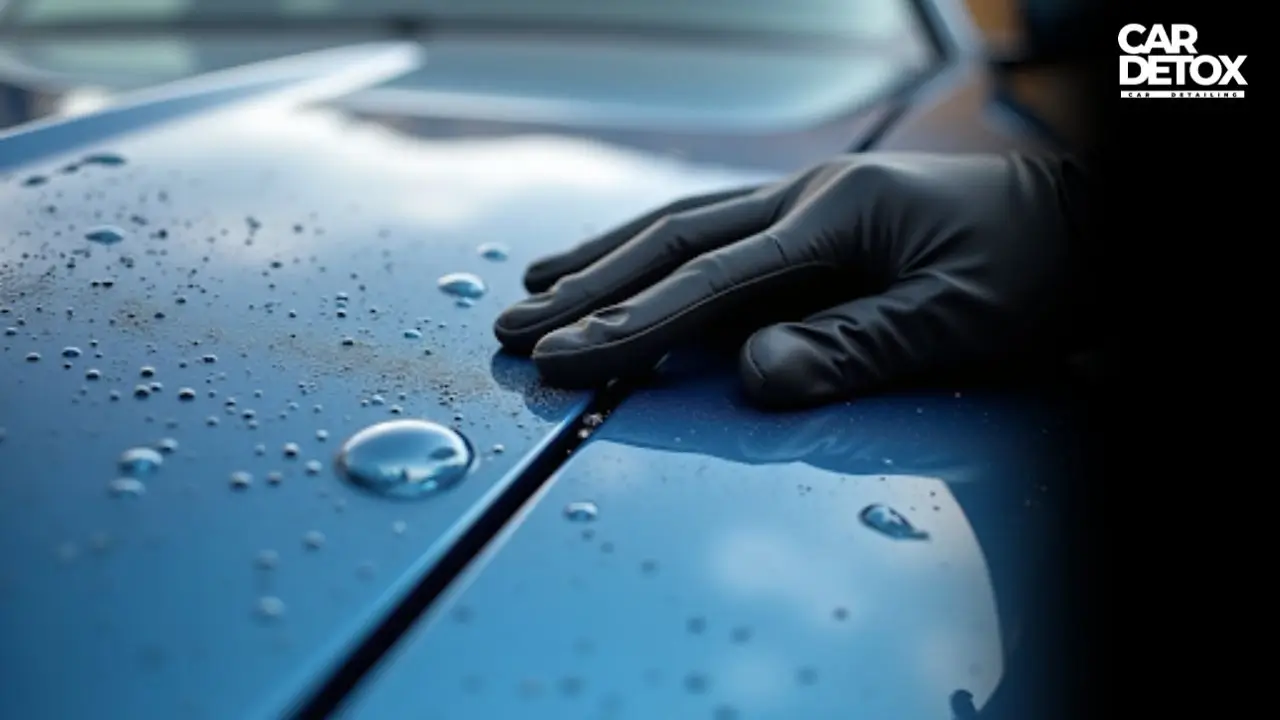
Snow comes off easier when you add a quick layer of spray wax. Graphene coatings work even better to protect against moisture, road salt, and other winter elements that cause corrosion.
6. Use cooking spray on door seals
Your car's rubber door seals need cooking spray to repel water. This prevents ice from freezing the door shut - a frustrating problem in winter. The spray works best when applied before temperatures drop in the afternoon or evening.
7. Park under a temporary car shelter
Portable car shelters are a great way to protect against heavy snowfall. Many can handle strong winds (up to 100 MPH) and heavy snow loads (up to 35 PSF), making them reliable alternatives to garages.
8. Choose a safe and covered parking spot
Smart parking choices make a big difference. Look for covered spots when possible. When parking in open areas, point your car east toward the morning sun to help melt the windshield snow naturally.
Why These Methods Work
You'll appreciate why these preventative measures work better when you understand how they keep your vehicle in good shape through winter.
How snow affects your car overnight
Snow piling up does more than just mess up your morning routine. The weight of heavy snow can stress your windshield and frame. The snow melts and refreezes, letting moisture seep into tiny cracks that speed up rust formation. Road salt used to remove ice also makes corrosion happen faster on metal parts, especially under your car and around the wheels.
The science behind freezing and moisture buildup
The sort of thing I love is how overnight frost forms through a process called supercooling. Water droplets cool below freezing without turning solid right away. Your car's surfaces lose heat to the cold night sky. This creates temperature differences that make moisture in the air turn to frost. The cold also makes your car's fluids thicker, so they don't work as well.
Why quick protection is better than no protection
Even simple protection creates a vital barrier between harsh elements and your vehicle. This prevents ice from sticking directly to surfaces, which makes morning removal much easier. It also reduces your car's exposure to corrosive elements that damage paint and mechanical components over time.
Without protection, you'll face:
- Poor battery performance in cold weather
- Potential damage from improper ice removal
- Early wear on vital systems
- Blocked visibility that takes extra time to clear
These simple preventative steps save your morning time and protect your car's value through winter. Even quick protection methods prove to be worthwhile investments.
What to Avoid When Snow is Coming
Protecting your car means knowing what you should never do. Some things that seem helpful can actually harm your vehicle during snowy weather.
Don't pour hot water on your windshield.
You might want a quick fix, but hot water on a frozen windshield leads to serious damage. The extreme temperature difference between boiling water and an icy windshield creates thermal shock that cracks or shatters the glass. This dangerous method ruins your car's paint by melting protective wax and leaves tough white watermark stains. The best solution is to use your car's defrosting system - just start the engine and set the heater to defrost mode.
Avoid parking under trees or power lines.
Trees might look like good shelter, but they become dangerous during snowfall. Ice makes branches two to three times heavier, and even healthy ones can break without warning. These falling branches could shatter your car's glass, dent its body, damage the roof, or crush the entire vehicle. Power lines loaded with ice create similar risks. Your best bet is to park in open areas or covered structures.
Don't leave wipers down on the glass.
Many people think standing wipers upright before snow helps, but that's wrong. This habit stretches the wiper springs and makes them less effective at cleaning your windshield. Strong winds can damage the plastic gears of upright wipers and might blow the rubber blades off completely. Your windshield becomes more fragile in cold weather, so if wind slams raised wipers down, they could crack the glass.
Extra Tips for the Morning After Snowfall
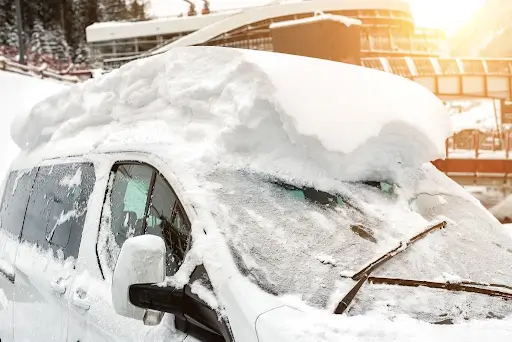
Snow-covered vehicles need proper care and attention in the morning. These expert-backed techniques will make your snowy mornings stress-free.
How to safely remove snow without scratching paint
Your car's finish needs gentle techniques during snow removal. A foam snow brush or soft-bristle brush designed specifically for cars works best. The quickest way to remove snow is to start from the roof and work your way down, while minimizing contact with the paint. A leaf blower can help remove light snow without touching the surface. Shovels, brooms, and household items will permanently damage painted surfaces, so they should never touch your car.
Warming up your car the right way
Your modern vehicle doesn't need long warm-up times. A one-minute engine run before driving gives enough time to clear foggy windows and get fluids moving. Gentle driving for 10-15 minutes warms up your engine better than idle time. Note that hard revving should wait until the temperature gauge moves from cold.
Checking for ice buildup in key areas
Ice tends to accumulate in several spots after snowfall. A gentle kick can clear frozen slush from wheel wells. Your exhaust pipe needs checking because blockages can lead to dangerous carbon monoxide inside the vehicle. Salt and snow under your car speed up rust formation. Car washes that offer undercarriage cleaning are a great way to get rid of harmful salt deposits.
Conclusion
Protecting your vehicle from snow takes little effort but offers the most important benefits. Winter weather tests our patience, but these eight quick methods will help shield your car from snow tonight and throughout the season. These preventative steps save valuable morning minutes and protect your car's value. Snow and ice buildup without proper protection forces you into a frustrating morning routine of scraping, brushing, and waiting for defrosters to work. Schedule a winter readiness appointment at Car Detox today.



Revive your ride anytime, anywhere
Schedule AppointmentQuestions? Call us now!