
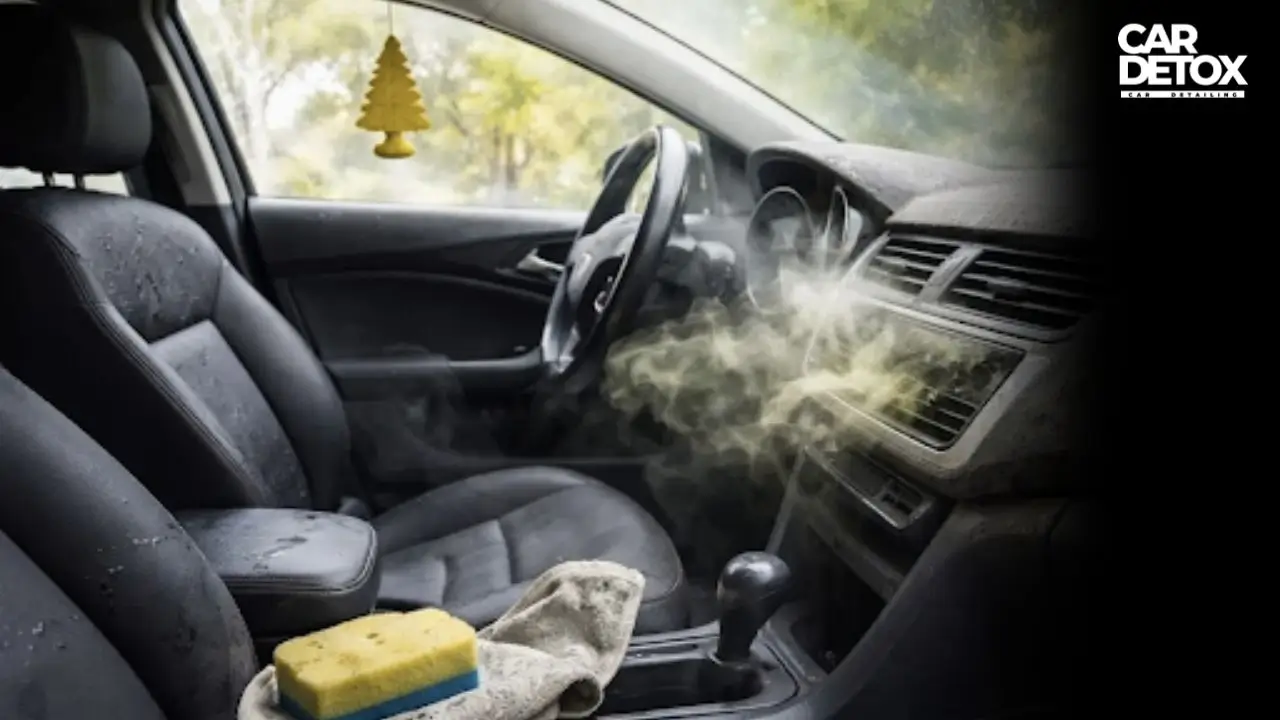
Your car's mold problem will return unless you tackle the mechanisms that caused it. Mold starts growing within 24-48 hours once spores land on wet surfaces. This makes your car's interior a perfect breeding ground.
Many car owners feel frustrated that mold keeps returning despite their cleaning efforts. The reality is that killing mold becomes a constant battle unless you change the conditions where fungus thrives. Getting rid of mold doesn't solve the actual problem. The fungus needs three main things to grow: moisture from leaks or humidity, organic material like your car's upholstery, and time.
This piece explains why mold returns to cars and provides strategies to eliminate it permanently. The fungus can return after treatment, but you can break this cycle with the right approach and keep your car's interior fresh. Deep-seated mold requires professional care. Let Car Detox safely restore your car seats with specialized mold-removal techniques.
Why Mold Comes Back in Cars
Mold needs specific conditions to thrive. It's an opportunistic organism, and knowing these conditions helps explain why that fuzzy growth keeps showing up no matter how well you clean.
Moisture buildup from leaks or spills
Moisture is the biggest reason behind recurring mold problems. Your car has many spots where water can sneak in and hide. A single heavy rainfall with a slightly cracked window creates the perfect environment for mold. Small leaks from your car's worn-out door seals or sunroof gaskets can drip water behind the dashboard for months before you notice anything.
Spills are a serious risk, too. Coffee, soda, or water bottles that tip over can soak deep into upholstery and carpeting. The surface might look dry, but moisture often stays trapped in the padding underneath. This creates ideal conditions for mold to grow. On top of that, it forms condensation at the time warm, humid air hits cooler surfaces—this happens a lot during winter months as temperature differences become more noticeable.
Poor ventilation in enclosed spaces
Cars sitting idle without good airflow give mold the perfect chance to grow back. Vehicles left parked for long periods with completely sealed windows trap moisture inside. This still air lets any existing dampness stick around instead of drying out.
Your car's heating and AC system can make things worse by creating spots where condensation collects. The AC evaporator catches moisture, and if it never dries out completely, you end up with what I call a "micro-jungle" hidden in your dashboard.
Organic materials like carpet and upholstery
Mold isn't picky about what it eats—it will feed on almost anything organic. Your car's interior is like a buffet with its fabric seats, carpeting, leather, and accumulated dust.
Food bits, spilled drinks, and organic debris are great food sources for mold. Even tiny particles that fall between seats or under floor mats are the foundations for recurring mold problems. Gym bags, damp towels, or wet clothes left in the car bring both moisture and organic materials at once.
So to stop mold from coming back after cleaning, you need to tackle all three conditions—not just the mold you can see.
How to Identify the Root Cause
Finding the actual source of moisture is a vital first step to prevent mold from returning after cleaning. The mold will keep coming back in an endless cycle of cleaning and regrowth if you don't identify and fix why it happens.
Check for water leaks or condensation.
My first step to figure out why mold keeps coming back is to ask about the time the problem occurs. The mold might show up after rainstorms, or only when the car is parked on a slope, or after using the heat or AC. These timing patterns give vital clues about the source. Mold needs moisture to thrive and doesn't just appear randomly.
Start with door seals, window gaskets, and sunroof drains since these are common trouble spots. Water can be tricky to track down because it travels along wires, moves up fabric surfaces, and collects in unexpected places. That sickeningly sweet smell might point to a leaking heater core instead of water getting in from outside. Your air conditioner system creates condensation naturally, but clogged drain tubes can send this moisture behind your dashboard.
Inspect under seats, mats, and trunk lining.
The areas hidden from daily view are definitely the most overlooked spots. You need to get into:
- Floor areas beneath seats where spilled drinks often settle
- Under-floor mats and carpet padding
- Inside trunk compartments, especially spare tire wells
- Along seat tracks and mounting brackets
Feel for dampness during this inspection, even when surfaces look dry. Moisture likes to hide in padding beneath carpets that appear dry, creating perfect conditions for mold to keep growing.
Use a moisture meter or thermal camera.
Professional-grade moisture meters can detect hidden dampness even when materials feel dry to the touch. These handheld devices use pins or flat sensing pads to measure moisture content in carpets, underlay, soundproofing, and body panels.
Pinless meters work with radio frequency signals and help scan large areas quickly without causing damage. Pin-type meters give more precise measurements at different depths. The best results come from taking readings at multiple points to track how far water has traveled along floorpans, up pillars, or into trunk areas.
Finding every source of moisture is essential to make sure mold stays away after cleaning.
How to Clean Mold in a Car the Right Way
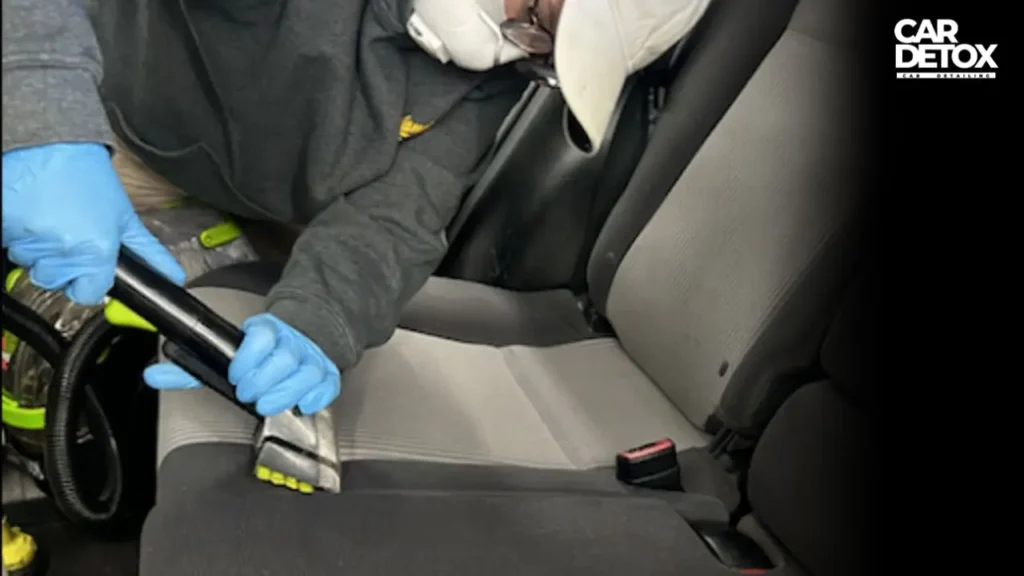
You need the right cleaning techniques to get rid of mold from your car for good. The first step is finding where the moisture comes from. Here's how you can make sure mold stays away.
Use vinegar or enzyme-based cleaners.
White vinegar works great against mold because of its mild acidity. It kills about 82% of mold species. Mix equal amounts of vinegar and water in a spray bottle. Spray it on the affected spots and wait 20 minutes before you scrub gently. Tough mold spots need specialized enzyme-based cleaners like Bio-Zyme. These cleaners break down organic stains and kill bacteria that could bring mold back. The enzymes go deep into materials and destroy mold roots instead of just cleaning the surface.
Avoid bleach on porous surfaces.
Bleach kills mildew, but you should never use it inside your car. It damages fabrics, leather, vinyl, and plastics beyond repair. The protective finishes break down, colors fade, and surfaces get rough over time. Bleach also can't reach deep enough to kill mold roots in materials like seat cushions or carpet padding. Baking soda works better for tough spots, and it's safe for most surfaces while neutralizing odors.
Dry the area completely after cleaning.
The most vital step to stop mold from coming back is drying everything. The EPA says mold can grow again in just 24-48 hours if moisture stays in carpets or seat foam. You should open all doors and windows. Point fans at wet areas or use a wet/dry vacuum in blower mode. Keep drying even after surfaces feel dry.
Replace mold-infested materials if needed.
Some materials just can't be saved, no matter how hard you try. You'll need to replace carpet with jute backing, padding, and seat foam if they still smell after cleaning and drying. This usually happens when mold gets deep into porous materials. Professional detailers say it's time for replacement if the material fails the "sniff test" after proper cleaning and drying.
How to Keep Mold from Coming Back
Preventing car mold is nowhere near as difficult as treating it. A good cleaning followed by some specific steps will keep the mold away for good.
Use a dehumidifier or moisture absorber.
The best way to fight mold is to control humidity. Car dehumidifiers like Pingi or Zarpax soak up extra moisture without needing power. These devices will clear up foggy windows in the morning and get rid of musty smells. You'll get the best results by putting moisture absorbers with silica gel or activated charcoal in different spots in your car. You can find rechargeable options that cost less than $20 and save money over time.
Improve airflow with cracked windows or fans.
Mold runs on stagnant air, so good ventilation makes a big difference. Keep your windows cracked open a bit to let fresh air move through your car. Your car's AC or heater can help dry out the air inside. Remember to change your car's air filter - it keeps the air moving through the cabin.
Apply mold-resistant sprays to surfaces.
Some cleaners do double duty - they clean and stop mold from coming back. Total Interior Cleaner & Protectant leaves a UV-protective layer on surfaces. Enzyme-based cleaners like Nonsense All-Purpose Cleaner remove hidden dirt that feeds mold.
Regularly clean and vacuum the interior
Regular cleaning stops organic matter from building up and feeding mold. Clean spills and stains right away instead of waiting until you get home. Quick weekly cleanups with the right products keep moisture, dirt, and food from creating perfect conditions for mold.
Fix leaks and seal windows properly.
Your car's water leaks need quick attention to stop moisture problems. Look carefully at all window seals for possible leaks. Silicone-based lubricants keep your door, window, and sunroof seals flexible and working well. Your sunroof drains should stay clear to prevent water from overflowing into the car.
Conclusion
Car mold needs more than just surface cleaning. The mold will, in fact, return after cleaning if you don't deal with the root causes. Moisture is the main cause, along with poor ventilation and organic materials in your vehicle.
Your first step toward permanent mold elimination starts with finding the moisture source. Leaky seals, condensation, and hidden spills create perfect breeding grounds for mold spores. A full inspection of all potential moisture sources should happen before any cleaning begins. Avoid permanent fabric damage—book a professional interior treatment with Car Detox to properly clean and sanitize mold-affected seats.
FAQs
While mold can often be removed from a car, permanent elimination requires addressing the underlying moisture issues. Thorough cleaning, drying, and preventing future water intrusion are essential for long-term mold prevention
Mold can reappear within 24-48 hours if moisture remains present. To prevent regrowth, it's crucial to thoroughly dry all surfaces and materials after cleaning and address any ongoing sources of moisture.
A mixture of white vinegar and water or enzyme-based cleaners is effective for cleaning mold from car interiors. Avoid using bleach, as it can damage surfaces. After cleaning, ensure thorough drying of all affected areas.
To prevent mold recurrence, use dehumidifiers or moisture absorbers, improve ventilation, apply mold-resistant sprays, clean regularly, and promptly fix any leaks or seal issues. Consistent maintenance is key to keeping your car mold-free.
Driving a car with active mold growth can pose health risks, especially for those with allergies or respiratory issues. It's best to address the mold problem before using the vehicle to ensure both your health and the car's integrity.



Revive your ride anytime, anywhere
Schedule AppointmentQuestions? Call us now!