
Your car’s interior surfaces can reach temperatures of nearly 200 degrees or more if parked in direct sunlight. This represents just one aspect of sun damage to car components that many owners overlook.
Your vehicle’s interior temperature can climb to 120 degrees or higher after just 90 minutes on a 75-degree day. But the damage extends beyond uncomfortable seats. UV exposure breaks down your interior’s color, texture, and structure – affecting leather, vinyl, fabric, and plastic. Your car’s materials move closer to failure with each hour parked without shade or UV-blocking protection.
We’ll explore practical ways to prevent sun damage to car exteriors and interiors in this piece, from basic maintenance to advanced protection techniques. Let’s keep your vehicle looking showroom-fresh, whatever the weather!
Understand the Effects of the Sun on Car Paint
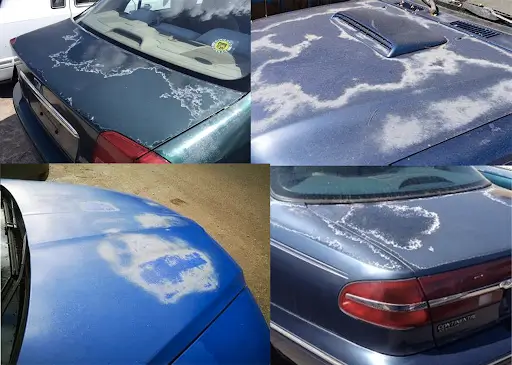
UV radiation is your car paint’s worst enemy. Paint deterioration happens silently, and you might not notice until the damage becomes visible—at that point, simple fixes won’t help much.
How UV rays break down paint layers
Your vehicle faces two main types of ultraviolet radiation from the sun: UVA rays dig deep into paint layers and cause long-term deterioration, while UVB radiation damages the surface and breaks down the clear coat. These rays attack your car’s finish at a molecular level and break carbon-carbon and carbon-oxygen bonds in the clear coat. This process starts oxidation reactions that turn your shiny finish into a dull, damaged surface.
The clear coat—that transparent protective layer over the colored base—serves as your car’s shield. Notwithstanding that, this specially designed barrier weakens under constant UV exposure. The degradation speeds up once oxidation starts because the surface becomes chemically more reactive.
Signs of sun damage to car paint
You can save money on repairs by spotting sun damage early. Fading shows up first—you’ll notice it more in darker colors like black, navy, and deep red. These colors get pricey to fix because they absorb more heat. It also develops a chalky or rough texture when you run your hand across the paint, which signals oxidation has begun.
Other telltale signs include:
- Clear coat peeling or developing a cloudy appearance
- Uneven color or patchy areas, especially on horizontal surfaces
- Loss of gloss and reflective qualities
- Fine cracks appear in severe cases
Your hood, roof, and trunk show damage first because they get direct overhead sunlight. UV damage is likely the culprit if these areas look dull while vertical panels stay shiny.
Why open parking accelerates damage
Your vehicle faces constant sun damage in open parking areas. Cars parked in offices, driveways, or streets deal with year-round exposure. More importantly, environmental contaminants like air pollution, industrial fallout, and coastal salt make things worse by scratching the surface, which lets UV light penetrate more easily.
Heat speeds up the degradation process. Your paint’s oils evaporate in high temperatures, which creates a dry, brittle surface that cracks and peels. So minor oxidation can quickly become severe damage if your car stays under direct sunlight.
Everyday Ways to Protect Car Paint
Your car’s paint needs protection from harmful solar radiation before damage shows up. A few simple maintenance routines can improve your vehicle’s finish and make it look great for a long time.
Wash and dry your car regularly.
A clean car exterior is where it all starts. You need to wash your car often to remove contaminants that can damage the paint if you leave them there. The best time to wash your vehicle is during cooler parts of the day—early morning or evening—when the sun hasn’t heated up the surface. This stops soap and water from drying too fast and leaving marks you can’t remove.
The two-bucket method works best: one bucket with pH-neutral car shampoo and another with plain water to rinse your wash mitt. This way, you won’t drag dirt particles across your paint that cause micro-scratches and swirl marks.
Drying your car properly matters just as much. Don’t let your vehicle air dry because water spots can etch permanently into surfaces. Use high-quality microfiber towels and pat gently, or try an automotive air blower if you want a contact-free solution.
Apply a high-quality car wax.
Think of wax as sunscreen for your car – it creates a shield against UV rays. Most cars need waxing twice a year—when spring starts and summer ends—for basic protection. Cars in sunny areas need waxing every 2-3 months to stay protected.
Different waxes protect your car in different ways:
- Carnauba wax: Gives a deep, warm glow but needs a new coating every 4-8 weeks
- Liquid wax/sealant: Blocks UV rays well and lasts 3-4 months
- Ceramic-infused wax: Combines wax benefits with better UV protection and water repellency
If you’re searching for professional paint protection near me in Tigard or Tualatin, our team at Car Detox provides expert exterior detailing and long-lasting UV protection solutions designed specifically for Oregon weather conditions.
Use a UV-resistant car cover
A good UV-resistant car cover is one of the quickest ways to stop sun damage. These covers have multiple layers, including UV-blocking fabrics that bounce harmful rays away from your car’s surface. The best ones come with a reflective aluminum layer designed to deflect UV radiation.
Look for covers made of high-density but breathable material. This stops condensation while blocking sunlight. The breathability lets water vapor escape, which helps prevent moisture problems that can make sun damage worse.
Make sure your car is completely dry before you put on a cover to prevent mildew. If your car stays parked for long periods, take the cover off now and then to let fresh air circulate.
Advanced Paint Protection Techniques
Professional-grade protection offers superior defense that goes beyond simple waxing to car owners looking for lasting solutions against sun damage. Advanced techniques create stronger barriers that withstand years of UV exposure.
Benefits of ceramic coating
Ceramic coatings create a chemical bond with your vehicle’s paint, unlike temporary waxes that just sit on top. This liquid polymer creates a semi-permanent layer lasting 2-5 years, while traditional wax needs reapplication every few months. The coating makes water bead up and roll off with a hydrophobic surface that takes contaminants away. Your car stays clean with less effort and gets exceptional UV protection that stops oxidation and fading.
Your car’s appearance gets a boost with deep, reflective gloss that keeps that showroom shine. Premium formulations add graphene to achieve 9H hardness—a material stronger than diamonds. Looking for ceramic coating near me in Tigard or Tualatin? Car Detox offers professional-grade ceramic coating services that protect your paint from UV fading, oxidation, and long-term sun damage.
How paint protection film works.
Paint protection film (PPF) shields your car against road hazards that ceramic coatings can’t handle. This transparent urethane layer absorbs impacts from rocks, debris, and minor scratches. High-quality PPF comes with an amazing feature – it self-heals minor scratches through heat from sunlight or warm water.
The PPF installation starts with careful surface preparation. Precision cutting matches your vehicle’s exact contours. The invisible barrier lasts 5-10 years with proper care. Not sure whether ceramic coating or paint protection film is right for your vehicle? Contact Car Detox for a personalized paint protection consultation in Tigard and surrounding areas
Time for professional detailing
These advanced techniques need professional application to get the best results. Ceramic coating requires paint correction first—any flaws get “locked in” after coating. Luxury vehicles or cars that face extreme conditions regularly benefit most from professional detailing.
Many professionals suggest a combination approach to protect car paint from sun damage. They apply ceramic coating over paint protection film on high-impact areas. This layered strategy gives your vehicle’s finish both chemical and physical defense.
Smart Parking and Seasonal Habits
Your car’s parking spot plays a huge role in preventing sun damage. Smart parking choices help your vehicle last longer and look better.
Look for shaded or covered parking.
Parking in the shade does more than keep you comfortable—it protects your car from UV damage. Cars parked in shaded spots stay 100+ degrees cooler than those left in direct sunlight. This temperature difference helps protect both exterior and interior parts throughout the day.
Studies show that a dashboard left in direct sunlight can heat up to more than 190 degrees. This extreme heat breaks down dashboard materials faster and damages nearby electronics. Covered parking structures block up to 97% of harmful UV rays, and this is a big deal as it means that your car’s paint and interior surfaces stay protected.
Use windshield sunshades
Windshield sunshades become your best defense when you can’t find covered parking. These portable shields reflect sunlight away from your car’s interior and lower cabin temperatures by 15-20 degrees Fahrenheit. Lower temperatures help protect your dashboard, electronics, and upholstery.
Your best protection comes from using:
- Reflective front windshield sunshades
- Side window shades (especially when you have passengers)
- Rear window shades to complete the coverage
Rotate the parking direction to reduce exposure
Your car’s paint will last longer if you change its parking direction regularly. The same parking position day after day leads to uneven fading as sunlight hits certain areas more intensely. The sun hits hardest from the south and west, so point your car east or north when possible to prevent yellowing headlights and aging rubber parts.
Conclusion
Your vehicle needs both regular maintenance and strategic prevention to stay protected from sun damage. UV rays silently destroy your car’s paint and interior. The damage begins well before you notice any visible signs, so early action is vital to preserve your vehicle’s appearance and value.
Your first line of defense against harmful UV radiation starts with regular washing and waxing. On top of that, it helps to invest in quality car covers when garage parking isn’t an option. Ceramic coatings and paint protection films are a great way to get superior defense that lasts for years instead of months. Protect your vehicle before sun damage becomes permanent.
✔ Schedule a ceramic coating service
✔ Book a professional paint correction
✔ Get a full exterior protection detail
Car Detox provides expert car paint protection services in Tigard, Tualatin, and nearby areas.
FAQ
Yes, prolonged sun exposure can permanently damage car paint. UV rays break down the clear coat over time, leading to oxidation, fading, peeling, and dullness. In hot climates or during summer months, damage can accelerate significantly—especially if the vehicle is parked outdoors daily. Without protection like waxing or ceramic coating, UV damage can become irreversible and require paint correction or repainting.
In many cases, yes. If the fading is caused by surface oxidation and the clear coat is still intact, professional paint correction and polishing can restore gloss and depth. However, if the clear coat has completely failed or the paint has peeled, restoration may not be possible, and repainting could be required. A professional inspection is the best way to determine the condition.
A professionally applied ceramic coating typically protects your vehicle for 2 to 5 years, depending on the product used and how well the car is maintained. High-quality coatings provide UV protection, chemical resistance, and hydrophobic properties. Regular maintenance washes and periodic ceramic boosters can extend the lifespan and performance of the coating.
Repainting and ceramic coating serve different purposes. Repainting corrects severe paint damage, peeling, or deep failure of the clear coat. Ceramic coating, on the other hand, protects existing paint from UV rays, oxidation, water spots, and contaminants. If your paint is still in good condition, ceramic coating is a more cost-effective preventative solution. If damage is extensive, repainting may be necessary before applying protection.
Paint fading can begin within months if a vehicle is constantly exposed to intense sunlight without protection. High temperatures combined with UV radiation accelerate oxidation, especially on darker-colored vehicles. Over one or two summers, noticeable dullness and color fading can appear. Proper protection—such as waxing, garage parking, or ceramic coating—dramatically slows this process.