
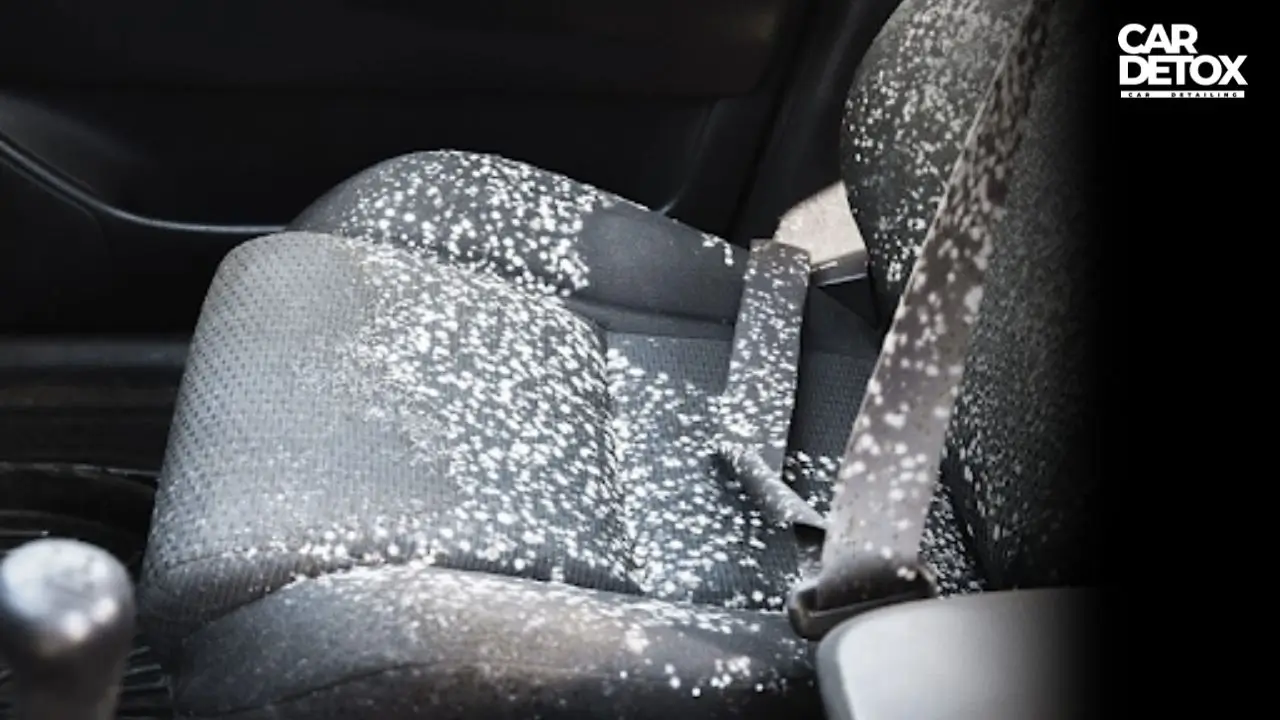
Oregon's constant rain creates more than just headaches for drivers - it sets up perfect conditions for dangerous mold growth in vehicles. The western part of the state sees rain seeping into cars through tiny cracks and crevices, which leads to a serious problem many people tend to overlook. Water that makes its way into a vehicle's interior stays trapped because fabric and padding hold moisture for long periods.
The combination of trapped moisture and warm, enclosed car spaces creates an ideal breeding ground for mold. Our experience shows how water damage can lead to mold growth under carpets, across upholstery, and inside air conditioning systems. Daily exposure to these mold spores in such a confined space isn't just uncomfortable - it can affect your health, especially when you have allergies, asthma, or immune system issues. The sort of thing I love to point out is how modern vehicles have electronic modules placed throughout, including under the dashboard and carpet, making early detection of water leaks crucial to prevent damage. Protect your vehicle from moisture damage — schedule Car Detox detailing today.
How Water Gets Inside Your Car in Oregon
Water in your car is a nightmare, and Oregon's climate sets up the perfect storm for moisture problems. Cars in Oregon face constant rain exposure, unlike drier regions, and water finds many ways to sneak into your car's interior.
Leaky door and window seals
Your car's weather stripping serves as the first defense against water - that rubber lining around doors and windows. Oregon's wild temperature swings and constant moisture make these seals break down. Age and exposure to summer heat and winter cold naturally wear down the weather stripping. These seals can't do their vital job once they turn brittle, loose, compressed, or torn.
The warning signs are easy to spot. You might see water stains on door panels, wet carpets after rain, or hear more road noise while driving. Here's a simple way to check your seals - the "dollar bill test". The seal needs work if you can pull a dollar bill out easily after shutting it in your car door.
Clogged sunroof drains and windshield channels
Sunroofs are the usual suspects for water leaks in Oregon vehicles. Each corner of a sunroof has small drainage channels that should move rainwater through the car's bodywork. The problem is that Oregon's trees drop leaves and debris that block these drains.
The cowl area where your windshield meets the hood has important drainage channels, too. Organic debris can block these spots, and water pools up until it leaks into the cabin. Most Oregon drivers learn about this issue the hard way - they find puddles on their floorboards or water rushing from under the dash when they brake.
Flooding from heavy rain or snowmelt
Oregon's heavy rains and melting snow create extra problems. Water builds up fast and gets in through floor mats and undercarriage areas. Cars that sit in even shallow water can suffer major damage as water finds its way through tiny openings that usually stay dry.
This moisture creates perfect conditions for mold in a car from water damage if you don't fix it fast. The question of whether mold in a car is dangerous becomes real when you see how fast it grows in Oregon's damp weather.
From Moisture to Mold: What Happens Next
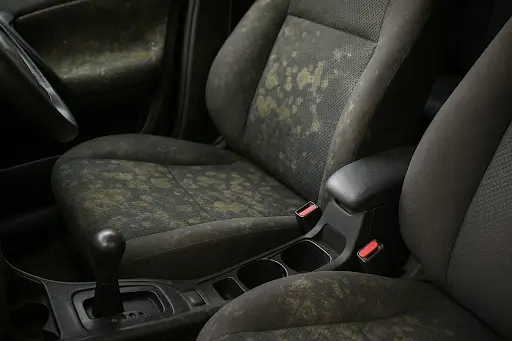
Your vehicle's battle with mold begins the moment water finds its way inside. A simple damp spot can grow faster into a major health risk in your car's enclosed space.
Mold in the car from water damage: the timeline
That wet spot on your car's carpet signals more than just an inconvenience—it marks the beginning of possible microbial growth. Mold starts growing within 24-48 hours after water gets in. You could return from a weekend away to find visible fungal growth. Fabrics, carpets, and foam padding trap moisture and create perfect conditions for spores to thrive.
A musty odor might be your first clue that something's wrong. This distinct smell reminds many people of unwashed socks and warns you that mold has started growing. Small patches show up on surfaces as time passes, but most growth stays hidden under seats or deep in the padding.
Why mold spreads fast in enclosed spaces
Your car gives mold everything it needs: darkness, warmth, and organic materials. The sealed environment acts like a greenhouse and traps humidity that speeds up growth. Moisture soaks into fabric seats and carpets like a sponge, while leather and vinyl surfaces keep dampness underneath.
A car's small space makes mold exposure worse. The interior holds less air than a house, so spore levels rise quickly. Spilled drinks, rain from wet shoes, or condensation from foggy windows add moisture sources throughout the cabin.
How HVAC systems can circulate spores
The HVAC system becomes both home and highway for mold. Moisture builds up on the evaporator core behind your dashboard during normal operation. Poor drainage creates the perfect spot for mold to grow.
The heater or AC spreads these spores through your vehicle each time you turn it on. Your car's ventilation system will give a steady stream of contaminated air during your drive, even if the interior looks clean.
Health and Safety Risks of Mold in Cars
Mold in your vehicle creates more than just bad smells – it presents a serious health risk that drivers often fail to recognize.
Is mold in a car dangerous?
Yes, without question. Your car's confined space makes mold exposure more intense, so even small amounts can harm you. Breathing mold spores in this enclosed environment can make you sick, especially when you have allergies, asthma, or immune system issues. Cars create perfect conditions for mold to thrive. The combination of warmth, darkness, and organic materials trapped in a small space makes the situation worse.
Common mold in the car symptoms
Your morning commute sneezing might not be seasonal allergies after all. Mold exposure often causes headaches, fatigue, coughing, itchy eyes, nasal congestion, and skin irritation. Most drivers blame these symptoms on pollen or dust. Some warning signs should grab your attention: recurring sinus infections, brain fog while driving, and breathing problems that get better once you leave your car.
Long-term exposure and respiratory issues
Your health risks increase the longer you're exposed. Regular contact with mold can trigger chronic respiratory problems and weaken your immune system. The largest longitudinal study connects extended mold exposure to brain-related symptoms. These include memory loss, focus problems, and mood changes. People with existing respiratory conditions face greater dangers – mold can set off asthma attacks and damage their lungs permanently.
How to Prevent Mold in Car Interiors
Mold growth in your vehicle can be prevented with proper maintenance and quick action after water gets in. Taking care of moisture issues before mold appears will protect your car and your health.
Fix leaks and dry out interiors quickly.
Quick action is vital at the time your car's interior gets wet. Water that sits too long increases the chance of damage. Check for leaks in window seals, sunroof drains, and door weatherstripping right away. A wet/dry vacuum works best to remove standing water from seats, carpets, and floor mats. Your car's heat and AC running together creates a dehumidifying effect that helps dry things faster.
Use dehumidifiers and moisture absorbers.
Your parked car needs portable dehumidifiers with windows up to pull moisture from upholstery and stop mold from growing. Moisture absorbers like silica gel packets, DampRid, or baking soda can help control humidity levels. These products catch water particles and trap odors to keep your interior dry.
Replace cabin air filters regularly.
Your car's cabin air filters need yearly replacement to maintain proper airflow. Clogged filters make your HVAC system work harder and can become a breeding ground for mold. New filters help streamline processes and keep mold spores from spreading through your vehicle.
Avoid storing wet items inside the car.
Wet equipment, snow-covered boots, and damp items should never stay in your car as they release moisture that gets trapped inside. Quality rubber floor liners help protect carpets from water damage. Snow should be brushed off before getting into your vehicle to keep interior moisture low.
Conclusion
Oregon's persistent rainfall makes protecting our vehicles from moisture and mold a constant challenge. Our state's weather creates perfect conditions that allow water to seep in and mold to grow. The problem poses real health risks, especially inside a car's confined space.
Water sneaks into cars through many routes. Bad weather stripping lets it in. Clogged drains overflow. Heavy rain finds new paths inside. Moisture creates perfect conditions for mold to thrive in just 24-48 hours. Quick action becomes crucial the moment we find dampness in our vehicles. Mold exposure brings serious health concerns. Most people mistake their mold-related symptoms for seasonal allergies. They don't realize their car might be making them sick during daily drives. Breathing mold-contaminated air in an enclosed vehicle often leads to headaches, breathing problems, and tiredness. Stay ahead of Oregon’s rain — book a leak prevention service at Car Detox.



Revive your ride anytime, anywhere
Schedule AppointmentQuestions? Call us now!