

You might be surprised that proper ceramic coating maintenance protects warranties lasting from 2 years to a lifetime.
A ceramic coating on your vehicle gives you better protection against water spotting, chemical effects, and soiling than traditional wax products. Many people think a ceramic-coated vehicle "cleans itself," but that's not true. The coating hardens into a very flat surface that becomes slippery—far better than normal car wax—but still needs proper care.
Taking care of your ceramic coating is straightforward. Our experience as professional detailers shows that the right care techniques can make your coating last longer and look better. Your car's paint bonds chemically with ceramic coatings, which are liquid polymers made mostly of silicon dioxide, to create a protective layer. Your paint stays smooth and glossy because this hardened surface fights off minor scratches and swirl marks. Road salt can cause long-term damage if not removed properly. Car Detox provides thorough exterior and undercarriage cleaning to protect your vehicle.
Mistakes That Can Ruin Your Coating
You need to avoid certain common mistakes to protect your ceramic coating. A premium ceramic coating with high SiO2 content can fail if you don't care for it properly. Here are four critical errors that could ruin your protective layer.
Using harsh shampoos or wax-based soaps
Car owners often damage their ceramic coating without realizing it by using the wrong cleaning products. Strong chemicals like dish soap, all-purpose cleaners, and acidic solutions destroy your coating's molecular structure. Studies show that incorrect cleaning products lead to 45% of early coating failures.
The best choice is pH-neutral shampoos (pH 6-8) made specifically for ceramic-coated vehicles. Wax-based products leave residue on your coating that reduces its hydrophobic properties and attracts dirt and debris. Six months of dish soap use can strip away your coating just as well as a chemical stripper would.
Washing in direct sunlight
A sunny weekend might look perfect to wash your car, but sunlight can harm ceramic coatings. Hot vehicle surfaces speed up water evaporation and create mineral-rich spots that etch into your clear coat.
Heat makes soaps dry too fast, which leaves streaks and hazy residue instead of rinsing clean. Your paint becomes slightly softer at the surface and more likely to get swirl marks during washing. The best time to wash your vehicle is in the shade, early morning, or evening, to keep your coating intact.
Taking your car to automatic car washes
Automatic car washes seem convenient, but they destroy ceramic coatings. One study found that out of 200+ failed coatings, automatic car washes ruined more than 70. These places use strong alkaline cleaners (pH 10-13) designed to remove protective layers. The brushes and cloth strips collect contaminants from other vehicles and act like sandpaper on your coating.
Using dirty or abrasive towels
Standard towels and sponges collect dirt particles that scratch your car's surface and damage the coating. Soft microfiber wash mitts and drying towels made for ceramic-coated surfaces work best. These special tools lift dirt away safely instead of grinding it into your coating.
How to Wash a Car with Ceramic Coating
The right washing technique serves as the foundation to keep your ceramic coating in top shape. You'll protect your coating's hydrophobic properties and prevent swirl marks and damage by doing this.
Stick to a weekly or bi-weekly schedule.
Your car needs regular washing to stop contaminants from building up and damaging the coating. You should wash your car every one to two weeks based on your driving conditions and environment. Cars that face environmental hazards like bird droppings or excessive dirt need more frequent washing. A consistent schedule stops contaminants from bonding with the clear coat and prevents clogging that reduces your coating's performance.
Use the two-bucket method with grit guards.
Ceramic-coated vehicles still need the two-bucket method. Get two buckets - one with pH-neutral car shampoo solution and another with clean rinse water. Each bucket should have grit guards at the bottom. This setup keeps dirt from getting back on your car's surface and cuts down scratch and swirl mark risks by over 95%. When you finish washing each panel, wring your mitt over the ground away from your car. Then rinse it well in the clean water bucket before getting more soap solution.
Pre-rinse with a foam cannon if available
Start each wash by removing loose contaminants with a thorough pre-rinse. A foam cannon connected to a pressure washer or a foam gun for garden hoses works best. Cover your vehicle with pH-neutral foam and let it sit for 3-5 minutes without drying. This step removes 50-70% of loose dirt and creates a protective layer before you touch the paint.
Always rinse mitts between panels.
Your microfiber mitt needs a good rinse in clean water between sections before adding more soap. Use the grit guard to remove trapped particles from the mitt. This vital step keeps contaminants from moving between panels. Your ceramic coating stays intact and maintains its glossy look.
Protecting the Coating Between Washes
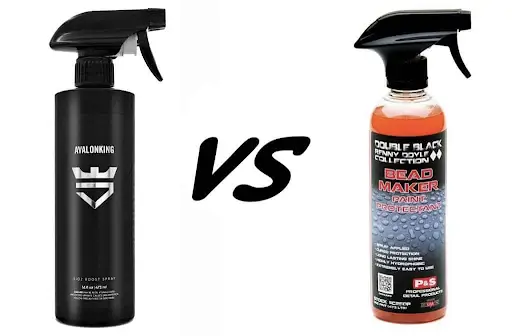
Your ceramic coating needs regular care to keep its protective qualities between washes. A few simple habits will help your coating last longer and work better.
Use ceramic coating maintenance products.
Ceramic boosters and maintenance sprays will help your coating last longer. These products contain SiO2 (silicon dioxide) that creates a bond with your existing coating and brings back its water-repelling properties. Your coating will perform at its best when you apply these boosters every 2-4 weeks after washing. Quality products add an extra protective layer that bonds chemically with your coating.
Apply SiO2 sprays as drying aids.
SiO2-based spray sealants create a tough protective layer that resists contaminants. You can use these versatile products while drying your car. Just spray them on wet panels after rinsing and dry with your microfiber towel. This method creates excellent water repellency and stops water spots from forming on clean surfaces.
Park in shaded or covered areas
Your car's coating will last longer if you park it under cover or in the shade. UV rays slowly break down ceramic coatings, and this matters most with professional coatings that need up to a week to cure. Cars without garage access benefit from using a car cover for extra protection.
Remove contaminants like bird droppings quickly.
Bird droppings, bug splatter, and other acidic substances can eat through ceramic coatings if you leave them too long. A pH-neutral cleaner and soft microfiber cloth should be used right away to prevent lasting damage. Your coating's protection won't last if these contaminants stay on the surface too long, even with ceramic protection.
Long-Term Ceramic Coating Care and Maintenance
Premium ceramic coatings need regular care to keep their protective qualities. A good maintenance plan will give your investment the best performance throughout its life.
Reapply boosters every 6–12 months.
Ceramic boosters keep your coating performing at its best. These special products contain the same chemicals as your original coating and fill tiny gaps that show up over time. You should apply these products every 6-12 months to keep the coating's shine and protection. Each application brings back the water-repelling qualities that wear down with regular use. Quality boosters also create an extra protective layer that bonds with your existing coating and makes it stronger against environmental damage.
Look for dull spots or less water beading.
Your regular checks will help catch problems early. Check your vehicle's surface twice a year to spot signs of coating wear. The first thing you'll notice is less water beading—water spreads out instead of forming drops that roll off easily. You should also watch for more dirt sticking or a tired, dull look even after washing. These signs tell you your coating needs attention before serious problems develop.
Ask professionals about reapplication.
Professional detailers know how to assess your coating's condition. They can tell when a coating has reached the end of its life—usually 1-5 years based on quality and care. Your coating might need professional help if you see major wear, even with good maintenance. Expert detailers will clean the surface properly, fix any problems, and put on a fresh ceramic layer.
Conclusion
A ceramic coating needs dedication and proper techniques, but the amazing results definitely make it worth the effort. This piece shares professional secrets that will help your vehicle keep that showroom shine for years ahead. Your ceramic coating gives exceptional protection against environmental hazards. Notwithstanding that, these coatings aren't maintenance-free miracles. The right products and regular care make the difference between a coating that fails early and one that keeps performing beautifully. Don’t let winter salt shorten your car’s lifespan—schedule a professional seasonal clean with Car Detox.



Revive your ride anytime, anywhere
Schedule AppointmentQuestions? Call us now!