
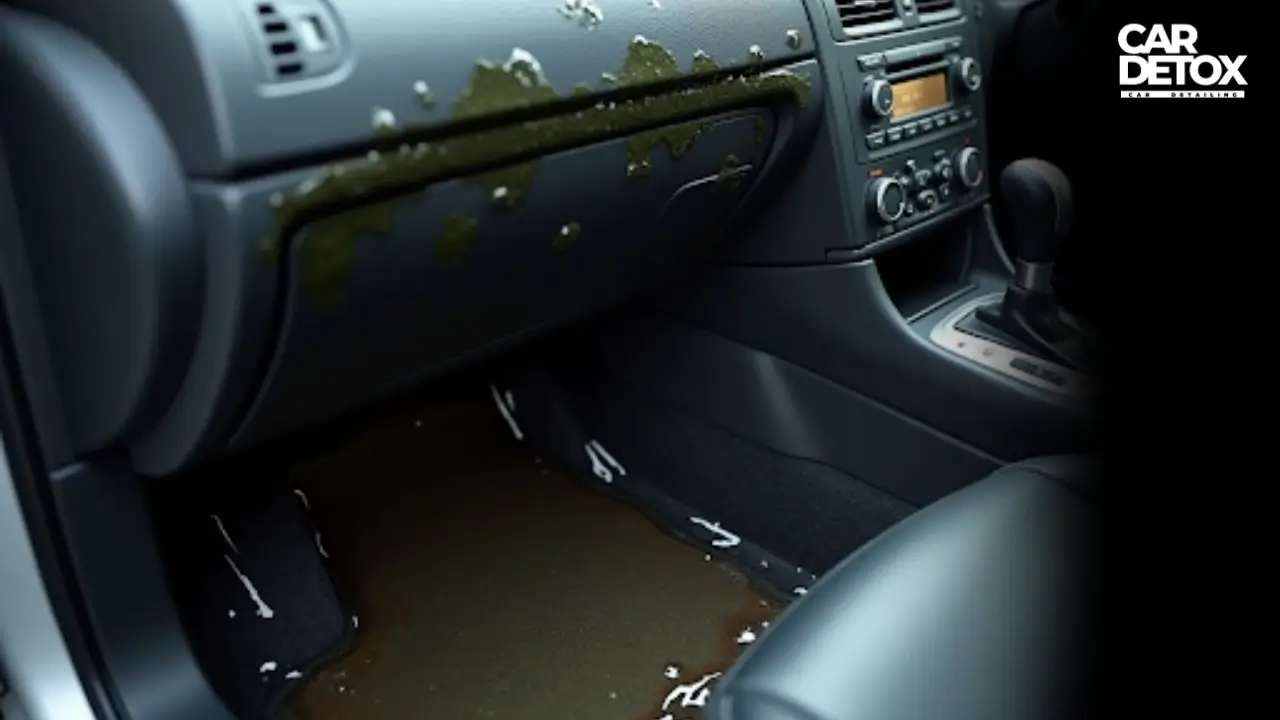
You might have noticed a leak under your car and brushed it off as "just water." That innocent-looking puddle could signal the start of serious trouble. Mold starts growing in your vehicle within 24-48 hours after moisture exposure—this happens more in warm or humid conditions.
Car water leaks create more than inconvenience. They can trigger serious problems like mold growth, electrical failures, and structural damage. Something is leaking under the car components that needs your attention right away. A liquid dripping under the car's surface could mean water leaks under the car panels from broken welds or cracked seams. Small dripping under car areas can become major problems faster—a few drops today might damage vital systems tomorrow. Water doesn't just short out wires. It degrades insulation materials, which leads to exposed conductors and creates risks of electrical fires months after the original water exposure.
This piece explores how you can spot these leaks, understand their hidden risks, and learn why professional help might work better than quick fixes. Protect your interior — get professional leak detection at Car Detox.
The first signs: spotting water leaks in your car
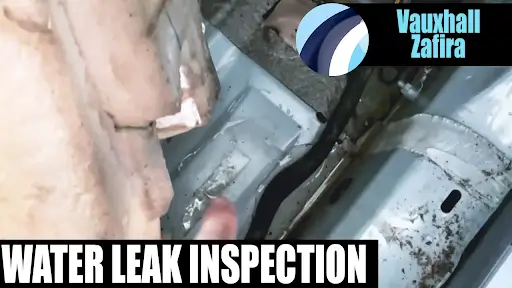
Early detection of water leaks under your car can save you from costly repairs down the road. Most puddles are easy to spot, but some leaks stay hidden until they've caused major damage. Let's get into ways you can catch these sneaky problems before they turn serious.
Common places where water collects
Your vehicle's lowest areas become natural collection points for water. You should check the footwells first if you suspect water is getting in. Suddenly soaked floor mats or damp carpeting usually point to a leak. Your trunk might also collect water, especially after a heavy downpour.
Stained upholstery can give away hidden leaks. Water mixed with road grime and dirt leaves light brown marks on seats, carpets, or the headliner. Your windows might fog up constantly, or frost could appear inside during cold weather - these signs suggest trapped moisture in your vehicle.
How to tell if it's just condensation or a real leak
Some moisture is perfectly normal. Your car's AC system creates condensation that drips underneath, especially during hot weather. This happens close to the engine compartment's rear and shouldn't worry you.
Your exhaust pipe might release small amounts of water in cool weather as the system heats and cools - that's just condensation forming. A quick test can help you figure out if you're seeing harmless condensation or something more serious. Just place white cardboard or paper under the drip. Clear drops usually mean water, while any color suggests other fluids.
What dripping under the car might really mean.
The timing of leaks tells you a lot about their source. Rain or car washes might point to weatherstripping or drain problems. A leak that shows up in any weather likely comes from inside the vehicle.
Cars with sunroofs need extra attention because they tend to leak. Their corner drain tubes often get clogged, and water pools up before finding its way inside.
Sweet-smelling liquid with green, blue, or yellow tints might be a coolant instead of water. White smoke and lots of water from your exhaust could mean you have a blown head gasket. Your nose knows best - strange smells usually mean you're dealing with more than just water.
Why water leaks are more dangerous than they seem
A seemingly harmless water leak under your car's components today can turn into a serious threat in just hours. You won't notice the real dangers until they've caused the most important damage to your vehicle and possibly your health.
Mold growth and health risks
Water from leaks under your car creates the perfect environment for mold that starts growing in just 24-48 hours after getting wet. The dark, damp spaces under your seats and carpets become breeding grounds, especially when you have warm or humid weather.
Mold exposure in the confined space of your vehicle can lead to serious health problems. You might experience wheezing, coughing, and shortness of breath. The symptoms don't stop there - watery eyes, itchy skin, runny nose, and sneezing are common. These reactions can hit you even after brief exposure, and they're worse if you're sensitive to mold.
Damage to seat belts and interior materials
The damage goes beyond just comfort - it affects your safety too. Mold doesn't just stain your seat belts - it can weaken the fabric and make them less effective in crashes. Your seat belt's retraction system might fail because of moisture.
The mold doesn't stay on the surface. It digs deep into porous materials like cloth seats, foam padding, carpets, and interior panels. That small patch of mold you see often points to much bigger problems hiding underneath.
Airborne spores and HVAC contamination
That musty smell in your car warns you that mold spores float through the air inside. Every time you turn on your heat or AC, you might spread these harmful spores throughout the cabin.
Your ventilation system can become a mold haven, too. The condensation in air vents gives mold another perfect spot to grow. This creates serious risks if you have allergies, asthma, or a weak immune system. Kids and babies face higher risks because their immune systems are still developing.
Keep in mind that dead mold spores can still harm you - they trigger allergic reactions and breathing problems when you breathe them in.
The hidden impact on electronics and structure
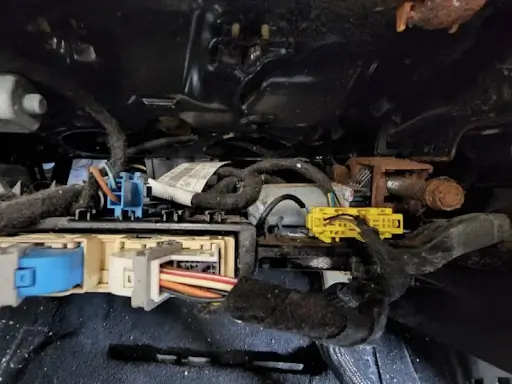
A hidden threat lurks beyond what you can see when water gets into your car. Small leaks can quietly damage vital components that remain out of sight.
How water affects wiring and control modules
Today's vehicles are computers on wheels that use dozens of electronic control modules mounted on the floor pan. These delicate components manage everything from airbags to transmission systems. Water damage to these electronics can happen right away or build up over time. Some control modules stop working as soon as they get wet, while others break down slowly as moisture seeps in. Your car's sophisticated systems can fail from even a small water leak.
Corrosion and long-term electrical issues
The biggest problems often show up months after the original water exposure. Moisture doesn't just create short circuits in wiring—it breaks down insulation materials and leaves conductors exposed. This damage increases fire risks long after the leak is forgotten. Your car's battery connections can also corrode, which makes starting difficult and might lead to battery acid leaks.
Rust and structural weakening under carpets
Water that sits under your car's carpets speeds up rust formation where metal parts meet. This hidden rust quietly weakens your vehicle's structure. The water turns into what experts call a "corrosive rusty soup" that eats through interior paint before attacking the metal underneath. The most dangerous part is how this decay can affect vital safety components and reduce crash protection.
Why quick fixes often fail and what really works
Car owners often grab their shop vac and carpet cleaner when they spot a leak under their car. This quick fix rarely solves the actual problem. The visible damage is just the tip of the iceberg - there's much more happening beneath the surface.
Limitations of DIY and mobile detailing
Most DIY repairs don't work because today's vehicles need special tools and expertise that most people can't access. Simple repairs become dangerous without proper tools like moisture meters or diagnostic equipment. A car that isn't supported correctly can cause injuries. Brake or suspension repairs done wrong could put lives at risk.
Mobile detailing services don't handle water damage effectively. They lack the right extraction equipment and certified expertise. These services can't spend enough time taking everything apart and treating it properly. Their quick surface cleaning misses hidden moisture that keeps causing damage.
What professional remediation has
Professional water damage repair needs detailed interior disassembly. Technicians remove seats, center console, carpets, padding, door panels, and sometimes the headliner. This gives them access to every affected area, not just the spots you can see.
How moisture meters and diagnostics help
Moisture meters detect dampness in materials that feel dry to the touch. These handheld tools find hidden moisture under carpets and padding. They show how far water has spread and help track the drying process. Technicians take multiple readings to monitor moisture movement into floor pans, cross members, and pillars.
When to replace vs. clean components
Water exposure means some parts need replacement. Seat foam padding and insulation materials can't be replaced easily, so they need treatment where they are. You need expert help if water reaches electronic components, if you spot mold, or if water has been there more than 24 hours.
Conclusion
Water leaks may look harmless initially, but they pose a serious threat to your vehicle and your health. Quick action on even tiny leaks can prevent the chain of problems we've covered in this piece. Mold starts growing in just 24-48 hours and spreads quietly through your car's interior. This can trigger respiratory problems and allergic reactions.
The damage extends far beyond what you can see. Moisture silently attacks your car's electronic components and speeds up corrosion in structural parts. A simple damp spot can damage critical safety systems like seat belts and airbag controllers.
You should grab a shop vacuum and fix it yourself, but quick fixes don't solve the full extent of water damage. Professional cleanup services are a great way to get the comprehensive treatment needed. This includes complete disassembly, specialized tools like moisture meters, and proper care for affected parts. Looking for professional car detailing in Sherwood? Contact us today and book your service! , www.cardetox-us.com.
FAQs
Look for signs like damp carpets, fogged windows, musty odors, or water stains on upholstery. Check the footwells, trunk, and under the seats after rain or car washes. Use white cardboard under suspected leak areas to determine if it's water or another fluid
Water leaks can lead to mold growth within 24-48 hours, causing health issues like respiratory problems and allergic reactions. They can also damage critical electronic components, accelerate corrosion, and compromise the structural integrity of the vehicle over time.
Yes, water exposure can cause immediate or gradual damage to your car's electrical components. It can corrode wiring, degrade insulation, and potentially lead to short circuits or electrical fires. Even small leaks can affect sensitive electronic control modules.
If you suspect a leak, have it inspected by a professional immediately. Don't attempt DIY fixes, as they often fail to address the full extent of the damage. A thorough inspection may require disassembly of interior components to assess and treat hidden moisture.
Regularly inspect and maintain potential leak points such as weatherstripping, sunroof drains, and body seals. Keep drainage channels clear of debris. If you notice any signs of water intrusion, address them promptly to prevent more extensive damage.



Revive your ride anytime, anywhere
Schedule AppointmentQuestions? Call us now!