
Many car owners overlook doorjamb maintenance, despite regularly washing and detailing their vehicles. Dirt and grime build up in these hidden areas by design. This accumulation can stay there for years while baking under the sun and freezing in cold weather. Your car door jams likely need attention if you notice water mysteriously appearing inside your vehicle after rain or a car wash.
The doorjamb car area is the frame section where your door closes against your vehicle’s body. These areas play a significant role in your car’s overall health and house the rubber seals that keep water, dirt, and debris from entering your vehicle. Neglecting door jamb maintenance affects more than just aesthetics. This negligence can lead to seal damage and rust formation that might get pricey to fix. This piece explores how dirty door jambs affect your car’s seals and the steps you can take to prevent damage before it starts. If you suspect mold inside your vehicle, don’t take chances with your health. Schedule a professional inspection and mold-safe interior cleaning with Car Detox today.
How dirty door jambs affect your car’s seals
Your vehicle’s overall health shows up best in its hidden corners. Your car’s door jambs are vital areas that deserve nowhere near the attention they usually get.
What is a door jamb on a car?
A car’s door jamb is the recessed area where the door meets the vehicle’s body at closing. This area has a metal frame around the door opening and the matching surface on the door itself. The door jambs are more than connection points – they have vital components like door seals, hinges, and electrical wiring for windows and locks. These parts work together to keep your door working properly and protect the interior from outside elements.
How grime builds up in door jambs
Regular use leads to dirt buildup in door jambs. Opening your door in rainy or muddy conditions traps moisture and debris in these recessed areas. Road salt during winter and environmental pollutants add substantially to this buildup. Door jambs stay sheltered from regular washing, so these contaminants sit undisturbed for months or maybe even years.
Why seals are vulnerable to dirt and moisture
Door seals use rubber compounds that stay flexible and create a water-tight barrier. These materials can easily get damaged by accumulated dirt and debris, especially when you have constant friction between dirty jamb surfaces and rubber seals that create tiny abrasions. Grime buildup acts like sandpaper against the soft rubber materials. Extended exposure to these conditions makes seals dry out and crack. The seals eventually stop forming proper barriers against the door frame. Damaged seals can’t protect against water intrusion, wind noise, or temperature changes.
Early signs that your door seals are being damaged
Early problem detection can save your car from getting pricey repairs down the road. Your car doorjamb and its connecting seals show clear warning signs when dirt builds up, and they start to fail.
Water leaks after rain or a car wash
The first sign of seal problems often shows up as moisture inside your car after rain or washing. Your door seals probably aren’t doing their job right if you notice wet spots on your seats, floor mats, or door panels after a downpour or car wash. This happens because the rubber seal starts to crack, shrink, or come loose from the door jamb or car frame, which lets water sneak in. These small leaks might seem minor, but they can create serious problems if you ignore them. Water damage leads to mold, bad smells, and rust in important car parts. The floor pans, bulkheads, and roof panels can rust away if water keeps getting in.
Unusual wind noise while driving
Door seals wearing out first show up as extra noise in the cabin, especially on highways. Worn seals create tiny gaps that let air rush in, and you’ll hear whistling or whooshing sounds. Most drivers notice these noises when they hit 50 mph, though some hear wind-like sounds even at slower speeds between 20 and 30 mph. The faster you go, the louder it gets, which ruins what should be a quiet drive. You can check if your door jamb car seals are causing trouble by rolling up all windows and listening for strange sounds near the door edges.
Temperature control issues in the cabin
Your door seals might be failing if you can’t keep the cabin temperature comfortable even with the climate control running full blast. Bad seals around the car doorjamb create escape routes for your heated or cooled air. So your car’s HVAC system works overtime to make up for the loss. You might feel constant drafts by the doors or notice uneven temperatures throughout the cabin. This doesn’t just make you uncomfortable – it hurts your fuel economy because your climate system has to fight against the constant air leaks.
A quick check of your door jamb car areas helps catch these problems before they turn into major repair jobs.
Visual and physical damage to look for
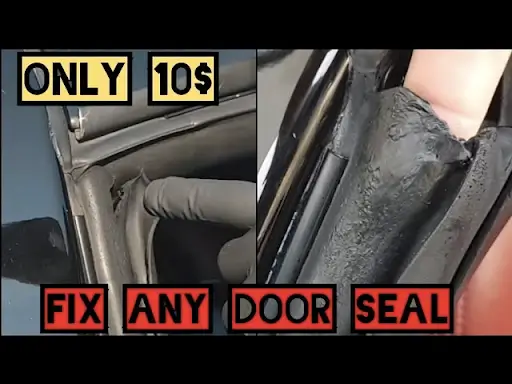
Physical inspection remains one of the most reliable ways to spot door seal damage from dirty car door jambs, beyond just early warning signs. Let me show you the visual clues that tell you your seals need attention.
Cracks or tears in the rubber seal
You can easily spot seal deterioration through visible flaws in the rubber itself. A close look will reveal cracks, tears, holes, or sections that have flattened or started crumbling away. Good rubber should bounce back when you press it. The material has lost its protective properties if it feels brittle or hard to touch. These problems usually start small. They get worse as the doorjamb area collects more grime and debris that keeps wearing down the rubber surface.
Seal pulling away from the frame.
The seals separating from the door frame are another warning sign. You’ll see obvious gaps between the seal and the car doorjamb. Most vehicles have seals that stay in place through friction or special channels that need exact positioning. Something’s definitely wrong when you can move the seal with your finger, and it creates gaps elsewhere. Some people tell me they can stick their fingers through these gaps – that’s a serious problem with your car’s protective barrier.
Dust and debris inside the car
Mysterious dust buildup offers solid proof of failing door seals. Compromised seals are likely the reason if you see more dust on your dashboard, seats, and floors – even when you avoid dirt roads. Dust sneaks in through tiny gaps where damaged seals meet the doorjamb and car frame. This constant stream of particles can be especially tough when you have allergies or breathing problems. Water and moisture can slip through these same gaps, too, and that might damage your car’s electrical parts.
How to prevent seal damage from dirty door jambs
Your car’s door seals need regular maintenance to avoid getting pricey damage. I’ve put together some key practices that will help protect these vital sealing parts, since prevention beats repairs any day.
Clean your car door jambs regularly.
A good doorjamb cleaning routine should be part of your regular car maintenance. You’ll need warm water, mild soap, microfiber cloths, and a soft-bristled brush to do this right. An old toothbrush works great for those tight spots. Make sure to clean under the rubber seals where dirt likes to hide. This cleaning routine also lets you spot any early signs of rust.
Use the best cleaner for car door jambs.
A diluted all-purpose cleaner (APC) at a 4:1 ratio works great on tough dirt. You might want to try specialized products like P21S Total Auto Wash for really stubborn buildup. Your door jamb’s painted areas need gentle care, so stick to soft brushes to avoid any swirls or scratches.
Apply rubber seal protectant.
Once everything’s clean, use a quality rubber seal protectant like 303® Rubber Seal Protectant. This special formula keeps rubber seals in good shape and stops them from drying, cracking, and fading. The steps are simple: shake the bottle well, make sure surfaces are clean and dry, spread it evenly with the foam applicator, and let it dry completely.
Inspect seals during routine washes.
Take a good look at your car door jambs every other wash at least. Watch out for signs of drying, cracking, or fading – these tell you it’s time for more protectant.
Conclusion
Door jamb maintenance might seem minor when caring for your vehicle. But neglecting these areas can lead to serious issues. Dirty door jambs damage your car’s door seals through constant abrasion and eventually cause leaks, noise problems, and reduced comfort. You’ll notice subtle signs first – water seeping in after washing, strange whistling at highway speeds, or trouble keeping the cabin temperature steady. These small issues quickly turn into visible damage.
Most people overlook these warning signs, but they need your attention. Cracks in the rubber or seals pulling away from the frame show that damage has already happened. Your vehicle sends clear signals long before major problems develop. Protect your passengers and your car’s interior—let Car Detox assess and eliminate harmful mold before it spreads further.
FAQs
It’s recommended to clean your car’s door jambs at least every other wash. Regular cleaning prevents the buildup of dirt and grime that can damage door seals over time.
Signs of damaged door seals include water leaks after rain or car washes, unusual wind noise while driving, difficulty maintaining cabin temperature, visible cracks or tears in the rubber, and seals pulling away from the door frame.
While mild soap and warm water can be used for regular cleaning, stubborn grime may require a diluted all-purpose cleaner. For tough buildup, consider using specialized auto cleaning products designed for door jambs.
After cleaning, apply a quality rubber seal protectant to condition the seals, restore elasticity, and prevent drying, cracking, and fading. Make sure to apply the protectant evenly and allow it to dry completely.
Door jamb maintenance is crucial because these areas serve as barriers between your car’s interior and the outside environment. Proper care prevents seal damage, water leaks, noise issues, and helps maintain your vehicle’s overall integrity and value.