
Alcantara and suede give a car interior a premium, grippy feel, which is why you find them on performance seats, steering wheels, and trim in everything from sports cars to high-end EVs. That soft texture comes at a price, though: these materials are far more delicate than leather or standard cloth, and the wrong cleaning approach flattens the nap, leaves stains, or ruins the finish for good.
This guide covers how to clean Alcantara and suede car seats safely, which products to use and avoid, and how to keep that soft texture looking and feeling new.
What is Alcantara, and how is it different from suede?
Alcantara is a synthetic suede-like material made mostly from polyester and polyurethane. It looks and feels like genuine suede but is engineered to be more durable, more stain-resistant, and easier to maintain, which is why automakers use it on seats, steering wheels, headliners, and trim. Genuine suede, by contrast, is real leather with a napped surface, and it is more delicate and more prone to staining than its synthetic cousin.
The cleaning approach for both is similar because the risk is the same. Both have a soft, raised texture called a nap that can mat down, discolor, or crust over if you use too much water, the wrong product, or aggressive scrubbing. The guiding principle for either material is to use as little moisture as possible and the gentlest method that works. Get that right and both clean up beautifully.
How do you clean Alcantara car seats step by step?
The safe method is light and patient: lift loose dirt first, then clean with minimal moisture, then restore the nap as it dries. Most everyday grime comes off with a microfiber cloth and a little warm water, so you rarely need anything stronger. The biggest mistake is soaking the material, which pushes dirt deeper and can leave water marks.
Here is the order that protects the texture:
● Vacuum the seats gently with a soft brush attachment to lift loose dirt and crumbs before they get ground in
● Lightly dampen a clean microfiber cloth with warm water, wringing it out so it is barely wet, and wipe the surface
● For dirtier areas, use a dedicated Alcantara cleaner or a drop of mild soap, working it in gently with a soft brush
● Wipe away residue with a clean, damp cloth, never letting water pool or soak in
● Let the seats air dry completely, keeping them out of direct heat and sun
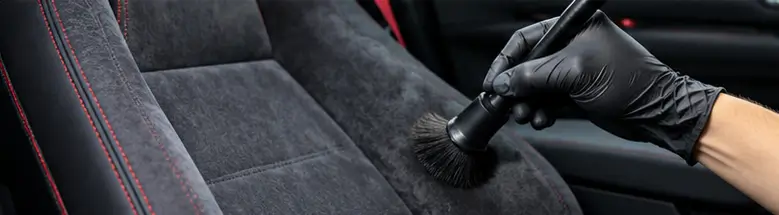
● Once dry, brush the nap gently with a soft brush to restore the even, uniform texture
That final brushing step is what separates a good result from a great one. As Alcantara dries it can look patchy or matted, and a light brush with a soft-bristled brush lifts the fibers back to a uniform finish.
What products are safe to use on Alcantara and suede?
The safest toolkit is deliberately simple. A dedicated Alcantara or suede cleaner is ideal, but warm water and a microfiber cloth handle most routine cleaning on their own. A soft-bristled brush is essential for both agitating cleaner gently and restoring the nap afterward, and a mild pH-neutral soap covers tougher spots when plain water is not enough.
What you avoid matters even more than what you use. Harsh chemicals strip and discolor these materials, and too much water is the fastest way to ruin the texture. The table below lays out the do’s and don’ts so you have a clear reference before you start.
| Do | Do not |
| Use warm water and microfiber for routine cleaning | Soak or saturate the material with water |
| Use a dedicated Alcantara or suede cleaner | Use bleach, ammonia, or solvent-based cleaners |
| Agitate gently with a soft-bristled brush | Scrub hard or use stiff or abrasive brushes |
| Blot spills immediately when they happen | Rub a spill, which pushes it into the nap |
| Brush the nap to restore texture after drying | Apply leather conditioner or protectant meant for hide |
| Air dry away from heat and sun | Use a heat gun or hair dryer to speed drying |
A quick note on leather products: Alcantara is not leather, so leather conditioners and protectants do not belong on it and can leave a greasy, matted residue. Keep the two cleaning routines separate even when a seat combines both materials.
How do you remove stains from Alcantara seats?
Stains are where patience pays off most, and the single most important rule is to act fast. Blot a fresh spill immediately with a clean, dry cloth, pressing straight down to absorb the liquid rather than rubbing, which only spreads it and works it into the nap. The faster you lift a spill, the less likely it is to set.
Different stains call for slightly different handling. For most food and drink spills, blotting followed by a light clean with warm water and a drop of mild soap does the job. Grease and oil-based stains are tougher and may need a dedicated Alcantara cleaner, applied sparingly and worked gently with a soft brush. Always clean from the outside of the stain inward so you do not spread it wider, and resist the urge to pile on more product or water. A stain that will not lift after a careful attempt or two is a sign to stop and let a professional handle it before you risk damaging the material.
How do you keep Alcantara seats looking new?
Consistent light maintenance beats occasional deep cleaning with this material. A quick vacuum and wipe-down every week or two stops dirt and body oils from building up and matting the nap, which is what makes well-used Alcantara look worn and shiny over time. Brushing the nap regularly keeps the texture even and fresh.
A few habits go a long way. Keep the seats out of prolonged direct sunlight when you can, since UV exposure fades and degrades the material over time, a real concern given how hard Oregon summers can be on an interior. Address spills the instant they happen rather than letting them sit, and avoid transferring oils and dyes from things like new denim onto light-colored Alcantara. For the bolstered areas that take the most wear from getting in and out, a little extra attention during each cleaning keeps them from looking worn before the rest of the seat.
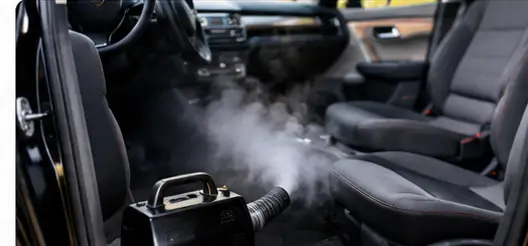
Can you use a steam cleaner on Alcantara seats?
Steam is a common detailing tool, but Alcantara calls for caution. Light, controlled steam can help lift grime and refresh the nap when used by someone who knows the material, since the heat loosens dirt without soaking the fabric. The danger is in overdoing it, because too much steam or heat held in one spot can damage the backing, cause the material to shrink, or leave water marks that are hard to reverse.
For that reason, steam is best left to a professional with the right equipment and a controlled technique rather than a consumer steamer used at full blast. If you are cleaning at home, the warm-water-and-microfiber method covers almost everything you need without the risk. Think of steam as a professional tool for this material, not a shortcut for a quick DIY refresh, and you will avoid the most common way people accidentally ruin an Alcantara seat.
Does Alcantara need to be protected or sealed?
Alcantara is already engineered to resist stains better than natural suede, but a fabric protectant adds a helpful extra layer of defense. A protectant made specifically for Alcantara or synthetic suede helps repel liquids and keeps spills sitting on the surface long enough for you to blot them before they soak in. It does not make the material bulletproof, but it buys you valuable seconds when something spills.
The key is using the right product. Never use a protectant designed for leather or a generic fabric guard that is not rated for Alcantara, since the wrong formula can stiffen the nap or leave a residue. Apply any protectant to clean, dry material and follow the product directions, and reapply periodically as it wears off. For a seat that sees heavy daily use or carries kids and pets, that light layer of protection is well worth the small effort, and a professional can apply it correctly as part of a detail.
When should you have Alcantara seats professionally cleaned?
Light maintenance is a manageable DIY job, but some situations are worth handing to a professional. Set-in stains, heavy soiling across the whole seat, or Alcantara that has started to mat and shine from built-up body oils are all cases where professional equipment and experience make the difference. These materials are expensive to replace, so there is real value in not guessing on an aggressive clean.
A professional has the right cleaners and the controlled extraction methods to deep-clean delicate materials without over-wetting them, and the experience to know how much is too much. If your Alcantara is part of a larger interior refresh, a full interior detailing service treats it alongside the rest of the cabin with the correct method for each surface. For the premium and performance cabins where Alcantara is most common, pairing it with proper leather seat cleaning on the adjoining surfaces keeps the whole interior consistent.
Keep your Alcantara looking and feeling premium
Alcantara and suede reward a gentle hand. Vacuum first, clean with the least moisture possible, avoid harsh chemicals and leather products entirely, and always brush the nap back to life as it dries. Act fast on spills, keep up with light maintenance, and protect the material from sun and oils, and those soft seats will look and feel premium for years.
When a stain will not budge or the material has started to look worn, Car Detox can help. Reach out through the Car Detox contact page to book an interior detail, and the team will clean your Alcantara and suede with the careful, material-safe approach these surfaces need.