

Knowing how to clean salt off car surfaces is significant for Indiana residents who face months of snowy and icy road conditions. Salt can cause serious damage to your vehicle's exposed metal in just a couple of weeks.
Road salt becomes a persistent problem between mid-December and late March. Many car owners don't realize they need to clean their vehicles more often. Regular car washing every two weeks works well normally. The winter salt season demands cleaning every ten days. Your car's undercarriage needs special attention because salt builds up there easily and causes rust and corrosion. The good news is that you can protect your vehicle with the right approach and proper salt removers.
Spotting the Signs of Salt Damage
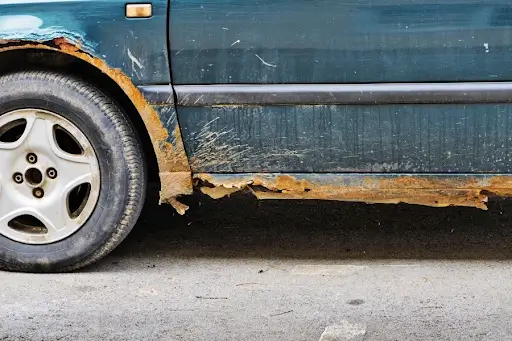
Early detection of salt damage helps you avoid expensive repairs and adds years to your vehicle's life. Your first step to clean salt off your car is learning where and how salt damage shows up. Let's get into the warning signs that need quick action.
Common areas where salt builds up
Salt accumulation starts in unexpected places. These hidden spots usually face the worst damage:
- Wheel wells and fenders: Salty slush from tires hits these areas like a continuous salt blaster against paint and metal
- Undercarriage components: The frame, suspension, exhaust system, and fuel tank face a high risk due to their closeness to salty roads
- Door edges and seams: Salt gets trapped in these tight spaces and speeds up corrosion
- Rocker panels: These lower body sections take constant hits from salt spray
- Brake and fuel lines: Their thinner metal makes them rust faster than body panels
How road salt affects car paint and metal
Your vehicle's surfaces suffer from a destructive chain reaction caused by road salt. Salt mixed with moisture creates an electrolyte solution that speeds up oxidation. Your paint's protective barrier, the clear coat, breaks down with repeated salt exposure.
The paint beneath comes under attack once this protection fails. Bubbling, flaking, and peeling appear around chips or scratches. Metal starts to corrode after exposure. Watch for discoloration, chalky blotches, and small brown or orange rust spots on body panels.
Cars with existing paint damage let salt brine solutions seep into cracks and crevices. This makes corrosion spread faster. Rust can start forming within weeks if salt stays on the vehicle.
Interior signs of salt residue
Salt leaves its mark inside your car, too. White stains show up on floor mats after walking in from salty sidewalks. Door sills, fabric seats, and leather surfaces collect salt residue.
A white film appears on plastic interior components, just like the exterior. Interior surfaces without exposed metal won't rust, but salt can permanently damage fabrics if you don't remove it quickly.
How to Clean Salt Off Your Car in Winter
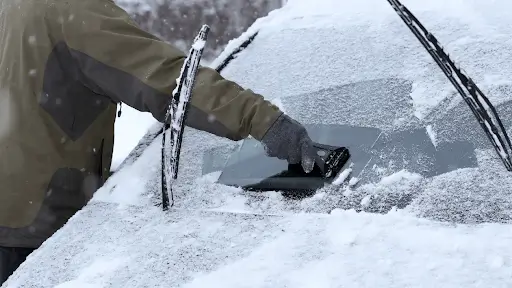
Road salt on cars needs your constant attention during the time of winter. Your car needs more than just a cosmetic wash—regular cleaning is basic maintenance that fights corrosion and helps your car last longer.
The best way to remove salt from the car body
Getting salt off your car takes more than a quick rinse. You should wash your car monthly during snow season—or more often if you see salt building up. Here's the best way to do it:
- Give your car a full rinse to get rid of loose salt before using soap
- Clean the undercarriage where salt builds up the most
- Pick a car shampoo made for winter conditions
- Take extra care with wheel wells and lower body panels
You'll get the best results at a touchless car wash that has an undercarriage spray option. The extra cost is worth it because it protects vital parts from salt damage.
How to clean salt off car carpets
Salt stains on your car's carpets need special treatment. Here's a proven way to remove these tough marks:
Mix warm water and white vinegar in a spray bottle in equal amounts. This mix helps break down salt without hurting your carpet fibers. Spray the solution and use a soft brush to work the salt up to the surface. Use a dry towel to soak up the dissolved salt. Tough stains might need several rounds of this treatment until the white marks are gone.
Tips for washing in freezing temperatures
Salt removal gets tricky in freezing weather. Here are some practical tips:
Pick times to wash when the temperature is between 35°F and 50°F—usually during the warmest hours. Water can freeze instantly on your car if temperatures drop below 32°F, causing problems with door jambs and locks.
A waterless wash product like quick detailer spray works great in very cold weather. Another option is visiting a heated professional car wash that keeps temperatures controlled. After washing, dry your car completely and pay close attention to seals, locks, and windows to stop ice from forming.
Protecting Your Car After Cleaning
Your car needs good protection after removing salt. Prevention works better than treatment, so you'll want to create lasting barriers against winter's harsh elements.
Waxing to create a salt barrier
A protective layer of wax between salt and your car's paint is vital. Carnauba wax gives a rich shine, but you'll need to reapply it every few weeks. Synthetic sealants last 3-6 months and are better suited to winter conditions. The best defense comes from applying wax before the first snowfall.
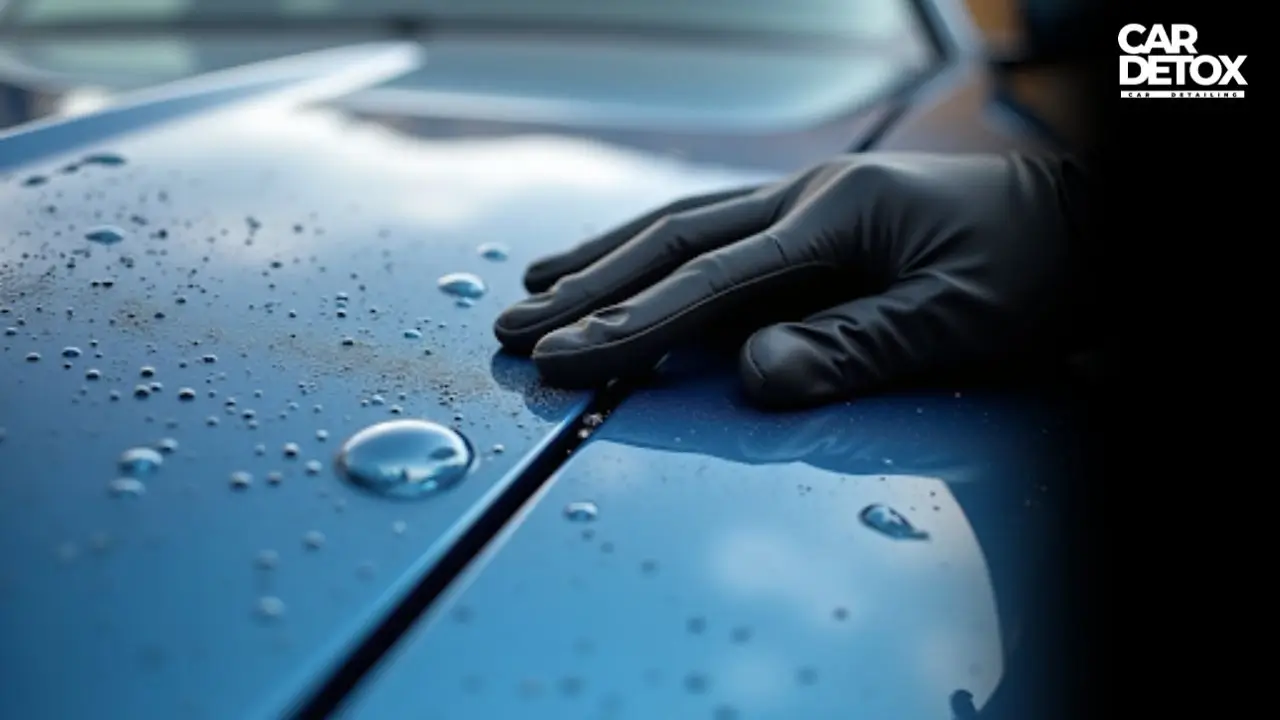
Ceramic coatings are worth thinking over if you want serious protection. These coatings bond at a molecular level and create a semi-permanent shield against UV rays, salt, and moisture. They don't just sit on the surface like regular waxes - they form a hydrophobic barrier that helps contaminants slide right off.
Using salt remover sprays for added protection
Salt remover sprays are a great way to get dual benefits. They dissolve existing salt residue and leave protective coatings behind. Products like Salts Gone® come with a three-in-one formula that removes salt, stops corrosion, and keeps your car's wax intact. These special formulas work really well on hard-to-reach spots where salt builds up.
The quickest way to apply is to spray it on affected areas, wait 5-10 minutes, and rinse well. Most quality removers won't harm wax or ceramic coatings and are safe for the environment.
Installing rubber mats to protect the flooring
Rubber mats protect your car's interior from tracked-in salt better than other options. Rubber mats beat fabric mats because they:
- Create a waterproof barrier that keeps salt away from carpet and padding
- Need minimal maintenance—just shake or hose them off when dirty
- Stay more hygienic since non-porous surfaces don't trap moisture or allergens
- Have raised edges to contain melted snow and salt
You don't need expensive custom-fit mats - standard rubber inserts work well for winter protection. This simple change substantially reduces interior salt damage and helps maintain your car's value.
Maintaining a Winter Cleaning Routine
Regular maintenance is the lifeblood of proper winter vehicle care. Yes, it is timing that makes all the difference in fighting road salt corrosion.
How often to wash your car in winter
Most experts say you should wash your vehicle every 10-14 days in winter. Weekly washes work better if you drive often on heavily salted roads. The best time to wash is about three days after a snowstorm. This helps you remove salt before it builds up into tough layers.
When to clean the undercarriage
Your car's undercarriage takes the worst hit from salt exposure. You should include an undercarriage rinse every time you wash your car. Pay extra attention to wheel wells, areas around exhaust pipes, and hidden spots where salt builds up. This isn't just an optional upgrade - it's a must-do. Many touchless car washes offer undercarriage cleaning as an add-on service that's worth the extra money.
Professional vs DIY winter detailing
Winter's harsh conditions make professional detailing a smart choice. These experts have special tools and solutions that work great on stubborn salt residue. On top of that, their heated facilities solve the freezing problems when temperatures fall below 40°F. If you like doing it yourself, waterless wash products can be a good option when regular washing isn't possible. These products help remove salt without water - perfect for freezing weather.
Conclusion
Your car needs constant protection from salt damage in the winter months. Salt corrosion starts within weeks, so regular maintenance keeps your vehicle's appearance and structure intact.
Note that prevention works better than fixing damage later. A good wash every 10-14 days that targets the undercarriage, wheel wells, and hidden spots will substantially reduce salt buildup. On top of that, it helps to add protective barriers like wax or ceramic coatings before winter hits to create a strong defense against corrosive elements. For reliable results and peace of mind, trust Car Detox to handle your vehicle’s interior the right way.
FAQs
It's recommended to wash your car every 10-14 days during winter, or weekly if you frequently drive on heavily salted roads. Aim to wash about three days after a snowstorm for optimal results in removing salt buildup.
Use a high-pressure hose to thoroughly rinse the undercarriage, focusing on wheel wells, suspension, and brake components. Consider using a specialized undercarriage cleaner or mild degreaser to break down salt deposits. After rinsing, dry the area to prevent moisture retention.
Install rubber floor mats to provide a waterproof barrier against tracked-in salt. These mats are easy to clean and contain melted snow and salt. For salt stains on carpets, use a mixture of equal parts warm water and white vinegar to clean affected areas.
Apply a protective coating before winter, such as wax, synthetic sealant, or ceramic coating. Wax needs reapplication every few weeks, while synthetic sealants last 3-6 months. Ceramic coatings offer the most durable protection, forming a semi-permanent shield against salt and moisture.
It's best to wash your car when temperatures are between 35°F and 50°F. If temperatures are below freezing, consider using a waterless wash product or visiting a heated professional car wash facility. Always thoroughly dry your vehicle after washing, paying special attention to seals, locks, and windows to prevent freezing.



Revive your ride anytime, anywhere
Schedule AppointmentQuestions? Call us now!