
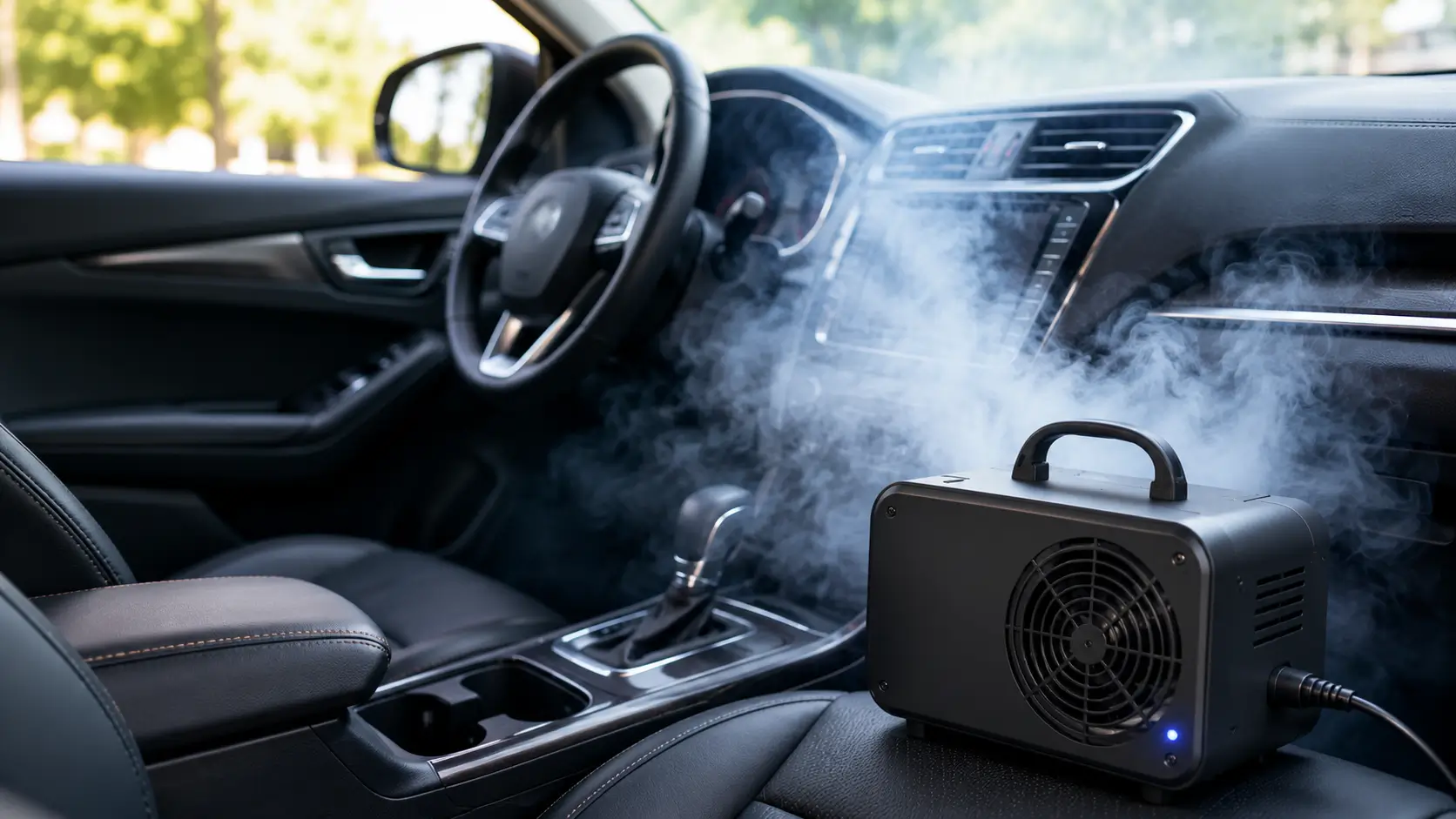
You’ve tried air fresheners. You’ve shampooed the seats. You’ve vacuumed every crevice and left the windows open for days. And yet, the smell is still there.
If that sounds familiar, there’s a reason your cleaning efforts aren’t working. The odor isn’t just on the surface. It can be deep inside the seat foam, carpet backing, and your car’s HVAC system, where no cloth or spray can reach. That’s exactly where ozone treatment for cars can do what traditional cleaning methods cannot.
This guide explains what ozone treatment is, the science behind how it works, what odors it can eliminate, what it cannot do alone, and when your car genuinely needs it.
What Is Ozone Treatment for Cars?
Ozone (O₃) is a molecule made of three oxygen atoms. In nature, it forms during lightning storms. That fresh, clean smell in the air after a thunderstorm is partly associated with ozone. In professional car detailing, ozone is created using an ozone generator, a device that converts regular oxygen (O₂) into ozone (O₃).
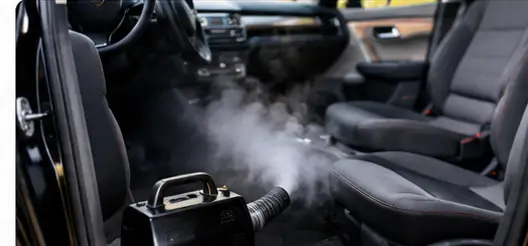
When ozone gas is released inside a sealed vehicle, it spreads into cracks, crevices, fibers, and vents throughout the interior. As it travels, it can chemically react with certain odor-causing molecules, breaking them down through a process called oxidation.
The result is odor treatment at a chemical level rather than simply masking the smell. After the treatment, ozone naturally breaks down back into oxygen, leaving no chemical residue.
That’s the key difference between ozone treatment and many other odor-control methods. Air fresheners add a new scent on top of existing odors. Enzyme cleaners work on contaminants they can physically reach. Ozone can reach areas that traditional surface cleaning methods may not.
How Does Ozone Treatment Work?
Here is exactly what happens during a professional ozone treatment at Car Detox:
1. Interior Deep Clean First: This is the step most DIY ozone guides skip, but it is one of the most important. Ozone works by destroying odor molecules, but if active odor sources remain, such as wet pet fur, spilled liquid, visible mold, or cigarette ash residue, the odor can return. Cleaning removes the source, while ozone treats what remains. Our interior detailing service always precedes ozone treatment.
2. Seal the Vehicle: All doors and windows are closed. The ozone generator is placed inside the cabin, usually on the floor or a seat.
3. Run the HVAC on Recirculation: This step is often skipped by amateurs. Running the vehicle’s air conditioning in recirculation mode during treatment allows ozone gas to circulate through the HVAC system, including the evaporator coil, ductwork, and vents where mold, mildew, and smoke residue can accumulate.
4. Ozone Treatment Runs: The generator runs for 30 minutes to 3 hours depending on the severity of the odor. Mild odors require less time, while severe smoke contamination or heavy mold may require longer sessions or multiple treatments.
5. Ventilate and Air Out: After the generator is switched off, the vehicle must be thoroughly ventilated. Open the doors and allow the vehicle to air out before entering. Ozone exposure can be harmful, so the vehicle should only be occupied once ozone levels have returned to a safe level.
6. Cabin Air Filter Replacement: For musty, smoky, or mold-related odors, we recommend replacing the cabin air filter after ozone treatment. A contaminated filter can continue circulating odor particles whenever the AC or heater runs, potentially reducing the effectiveness of the treatment.
What Odors Does Ozone Treatment Eliminate?
Ozone is highly effective on organic, carbon-based odor molecules — which covers most of the worst car smells. Here’s a breakdown by odor type:
| Odor Type | How Effective | Sessions Typically Needed |
| Cigarette/smoke smell | Excellent | 1 to 3 sessions |
| Pet odor (dander, fur, urine) | Excellent | 1 to 2 sessions |
| Mold and mildew | Excellent | 1 to 2 sessions |
| Food and beverage | Very good | 1 session |
| Body odor / sweat | Very good | 1 session |
| Vomit | Good | 1 to 2 sessions |
| Fuel or gasoline smell | Moderate | May need additional treatment |
| Chemical / cleaning product smell | Moderate | Usually resolves with ventilation |
For pet urine specifically, ozone works best when combined with an enzyme cleaner treatment first. Urine contains uric acid crystals that enzyme cleaners can help break down chemically. Ozone can then treat odors that the enzyme cleaner cannot physically reach. Our pet hair removal service includes this combination treatment.
For smoke odors, ozone is one of the most effective odor treatment technologies available. Smoke can bond to interior surfaces including fabric, plastic, glass, headliners, and HVAC ductwork. Our smoke smell removal service uses professional-grade ozone treatment specifically for smoke-related odors.
What Ozone Treatment Cannot Do
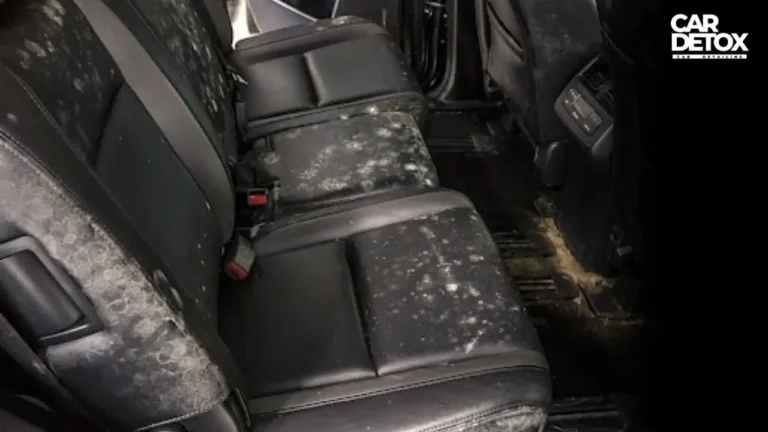
Ozone treatment is not a substitute for cleaning. If mold is actively growing in your carpet padding or under your seats, ozone may treat mold spores in the air and on surfaces, but it will not remove physical mold growth or the moisture source causing it. Professional mold remediation should come first, followed by ozone treatment as a finishing step.
Our mold treatment add-on service handles the physical remediation, including removing visible mold, treating affected materials, and addressing the moisture source. Ozone treatment can then help address airborne spores and residual musty odors.
Ozone also does not:
• Remove pet hair or physical debris. Vacuuming and extraction handle these.
• Clean stains from fabric or leather. Shampooing and spot treatment are needed.
• Replace a contaminated cabin air filter. The filter must be physically replaced.
• Work effectively if the odor source is still present and active.
The correct sequence is always: remove the source, clean the surfaces, then use ozone treatment as the final step.
Is Ozone Treatment Safe for Your Car Interior?
Yes — when done professionally and at the correct concentrations.
Ozone at extreme concentrations or with extended exposure times can potentially affect rubber seals and certain plastics. This is why professional treatment uses calibrated equipment, appropriate treatment times, and proper ventilation afterward. Properly controlled treatment helps minimize the risk of material damage.
At Car Detox, our ozone treatments are:
• Run for the correct duration based on odor type and severity
• Never left running unattended for excessive periods
• Followed by proper ventilation before the vehicle is returned
• Always combined with interior cleaning first — never used as a standalone shortcut
Is it safe for people and pets?
The vehicle must be completely unoccupied during ozone treatment, with no people, pets, or plants inside. Ozone is a respiratory irritant at the concentrations used for odor elimination. Once treatment is complete, the vehicle must be properly ventilated with the doors open for at least 30 to 60 minutes before anyone enters.
Why Ozone Treatment Matters More Here
Portland’s wet climate creates specific odor challenges that make ozone treatment particularly relevant for local drivers.
Mold and mildew are among the most common odor complaints we receive from Portland customers. Portland’s rainy winters mean moisture can constantly enter vehicles on shoes, wet jackets, and damp pets. That moisture can become trapped in carpet padding and seat foam, creating conditions where mold and mildew can develop. By the time customers notice a musty smell, the source may already be present under the carpet or inside the HVAC system.
Tree sap and organic debris from Portland’s heavy tree canopy can also introduce organic contaminants into vehicles year-round, particularly through open windows and sunroofs. Over time, these contaminants can contribute to musty, earthy interior odors that standard cleaning may not fully eliminate.
Wet dog smell is another common challenge for Portland drivers. Wet Pacific Northwest winters mean dogs are regularly transported with damp fur. Wet dog odor can penetrate seat fabric and become more noticeable when humidity rises. Ozone treatment combined with proper cleaning and extraction can help address persistent odors.
Our car detailing services in Portland and car detailing services in Tigard teams can perform ozone treatment as part of our odor elimination process. Ozone treatment is available as an add-on when needed with our interior detailing packages.
Ozone Treatment vs Other Odor Removal Methods
| Method | How It Works | Reaches Deep Fibers | Reaches HVAC | Permanent |
| Air freshener | Masks with new scent | No | No | No |
| Baking soda | Absorbs surface odors | Partially | No | No |
| Enzyme cleaner | Breaks down biological compounds | Partially | No | Yes (where applied) |
| Steam cleaning | Heat lifts surface contamination | Partially | No | Yes (where reached) |
| Ozone treatment | Destroys odor molecules chemically | Yes | Yes | Yes |
Ozone is the only method that simultaneously treats every surface, every fiber, every vent, and every hidden space in your car’s interior in a single treatment session. That’s what makes it the final step in professional odor elimination — not the first one.
Signs Your Car Needs Ozone Treatment
Not every car needs ozone treatment. Here’s how to know if yours does:
• The smell comes back within days of cleaning. The odor source may be deeper than surface cleaning can reach.
• The smell is strongest when you first get in the car or turn on the AC or heater. This may indicate HVAC contamination.
• Previous owners smoked in the car. Smoke can bond to interior surfaces and remain difficult to remove.
• A pet has been sick or urinated in the car. Urine odors can require deeper treatment.
• The car sat unused during a wet Portland winter. Moisture can contribute to mold and musty odors.
• You’ve tried multiple cleaning attempts and the smell persists. It may be time for professional odor treatment.
Ready to tackle your car’s persistent odor? Book your Car Detox appointment and our Portland-area team will assess the odor source and determine the right combination of cleaning and ozone treatment.
Frequently Asked Questions
1. Does ozone treatment really work on car odors?
Yes. Ozone can chemically react with certain odor-causing compounds rather than simply masking them. It can be an effective odor treatment for car interiors, particularly when used as part of a professional process for persistent smoke, pet, and musty odors.
2. How long does ozone treatment take for a car?
Professional ozone treatment runs 30 minutes to 3 hours depending on odor severity. The car then needs 30 to 60 minutes of ventilation before it is safe to enter. Most Car Detox ozone treatments are completed as part of a same-day interior detailing appointment.
3. Is ozone treatment safe for car interiors?
Yes. When performed professionally with appropriate concentrations and treatment times, ozone treatment can be used safely. The vehicle must remain unoccupied during treatment. After proper ventilation, typically with the doors open for at least 30 to 60 minutes, the vehicle should only be occupied once ozone levels have returned to a safe level.
4. How much does ozone treatment cost for a car?
Professional ozone treatment typically costs $80 to $150 as a standalone add-on. At Car Detox, it is included as part of our Interior Deep Clean when needed for odor elimination. Contact us for current pricing.
5. How many ozone treatments does a car need?
Most odors resolve in 1 to 2 sessions. Heavy smoke contamination may require 2 to 3 sessions on consecutive days. Ozone works best when the interior is professionally cleaned first.
6. Can ozone treatment remove cigarette smoke smell from a car?
Yes, ozone is the most effective treatment for smoke odors. Smoke bonds to every interior surface, including the headliner, HVAC ductwork, and seat foam. Ozone penetrates and destroys those bonded molecules throughout the entire cabin.
7. Will ozone treatment remove pet odor from my car?
Yes. For best results, combine an enzyme treatment for urine, which contains uric acid crystals, with ozone treatment. Our pet hair removal and odor service uses this complete combination approach.
8. Does ozone treatment help with mold smell in a car?
Yes — but mold must be physically remediated first. Ozone kills airborne mold spores and eliminates residual musty odor. Our mold treatment add-on handles the physical removal before ozone treatment follows.
9. Can I do ozone treatment myself at home?
DIY ozone generators exist but carry risks of incorrect duration, insufficient distribution, and material damage from overexposure. Professional treatment uses calibrated equipment, correct timing, and HVAC integration for complete results.
10. How long after ozone treatment can I use my car?
Ventilate the car with doors open for at least 30 to 60 minutes after treatment. Once properly aired out the car is completely safe. Most Car Detox customers collect their car the same day as their interior detail appointment.
Sources
World Health Organization — Ozone and Health: who.int/news-room/questions-and-answers/item/radiation-ultraviolet-radiation-ozone
EPA — Ozone Generators That Are Sold as Air Cleaners: epa.gov/indoor-air-quality-iaq/ozone-generators-are-sold-air-cleaners