
Did you know a single ceramic coating application can protect your car’s paint for 3-5+ years?
Regular waxes only last a few months, but ceramic coatings give you amazing protection and durability for your vehicle’s exterior. The best part? Professional-grade coatings can last up to 7 years if you manage to keep them properly! Your car’s clear coat bonds directly with the ceramic coating to create a glass-like layer of silica (SiO2) that adds stunning gloss and serious protection.
Automotive ceramic coating stands out for several reasons. These coatings have powerful water-repelling properties that work very well. The coating’s self-cleaning features keep your paint cleaner than standard waxes or sealants ever could. Your car gets superior protection against minor scratches and environmental contaminants thanks to the coating’s tough 9H hardness rating. Let the pros handle it. Car Detox offers expert ceramic coating services that give your car a lasting shine and real paint protection
Understand What Ceramic Coating Really Does
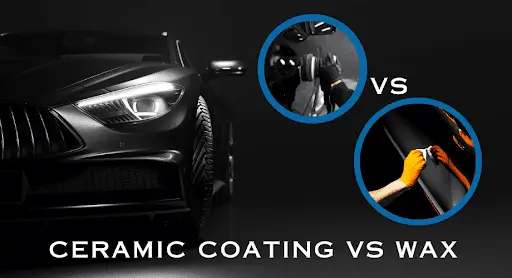
Ceramic coating has revolutionized automotive paint protection. This liquid polymer doesn’t just sit on top of your car’s factory paint – it creates a chemical bond. The result is a semi-permanent protective layer that works way better than traditional products.
How is it different from wax and sealants?
Traditional waxes only create a temporary shield that lasts 4-8 weeks before you need to reapply. Ceramic coatings work differently because they bond chemically with your paint’s surface. Wax gives you basic scratch resistance and limited protection. A ceramic coating creates a tough barrier that sticks around after multiple washes.
Sealants sit somewhere in the middle, lasting 2-6 months compared to ceramics’ impressive 2-5 year lifespan. The way you apply them is also quite different. You need careful prep and precise application for ceramic coating, while wax and sealants are more forgiving.
Benefits of ceramic coating for cars
Ceramic coating’s protection goes beyond just looks:
- Superior UV protection – Blocks harmful rays that cause paint oxidation and fading
- Chemical resistance – Shields against bird droppings, tree sap, and road contaminants
- Hydrophobic properties – Makes water and dirt bead up and roll right off
- Enhanced gloss – Gives your car that deep, showroom-quality shine
The coating’s slick surface is a game-changer. It stops contaminants from sticking to your paint. This means you’ll spend less time scrubbing during washes and your car’s less likely to get swirl marks or scratches.
How long it lasts and what it protects against
A quality ceramic coating usually lasts 2-5 years, but several things affect its durability. Your car’s environment plays a vital role. Vehicles that face harsh sunlight, salty air, or industrial fallout won’t keep their coating as long as garage-kept cars.
The protection you get is comprehensive. Your vehicle gets a shield against UV damage, chemical stains, light scratches, water spots, and oxidation. Coatings with more silica (SiO2) usually protect your car longer.
In spite of that, ceramic coatings aren’t bulletproof. They need proper care and can fail if they’re applied incorrectly, face extreme conditions, or get neglected. Using pH-balanced shampoo when you wash your car helps the coating last its full lifespan.
Get the Surface Ready for Coating
Preparation stands as the unsung hero in the ceramic coating process. Most detailing professionals agree that good prep work determines your ceramic coating results. Let’s look at why and how you should prepare your vehicle’s surface the right way.
Why prep is more important than coating
Good preparation builds the foundation for ceramic coating success. The best quality coating will fail if you apply it to a dirty or flawed surface. Any contaminants or imperfections get sealed under the coating when you skip proper prep. These stay permanent until you polish off the coating. The right preparation will give you better adhesion, which helps the coating last longer. You’ll also see better shine and improved water-repelling properties.
Steps to clean, decontaminate, and polish
You need to follow several key phases to prepare:
- Thorough washing: Begin with a two-bucket wash. Use a pH-balanced, wax-free shampoo to remove surface dirt.
- Chemical decontamination: Put an iron remover on the surface to dissolve stuck metal particles. Purple spots will show up as the product does its job.
- Mechanical decontamination: Work with a clay bar or clay mitt. Use plenty of lubricant to remove stubborn contaminants that washing missed.
- Paint correction: This vital step removes swirls, scratches, and flaws. These defects become more noticeable and get trapped once you apply the coating.
- Surface prep wipedown: Use an IPA (Isopropyl Alcohol) solution at the end to remove leftover residues or oils from polishing. This gives you a clean surface for the coating to bond with.
How to check if your paint is ready
Your paint should feel smooth as glass after all prep steps. Try the “baggie test” – slide your hand in a plastic sandwich bag across the surface. Rough spots mean you still have contaminants. Look under a bright light to spot any swirls or flaws. Clean paint should show no residue, water spots, or contamination. Water should sheet off evenly instead of beading if the surface is clean and ready for coating.
Master the Application Process
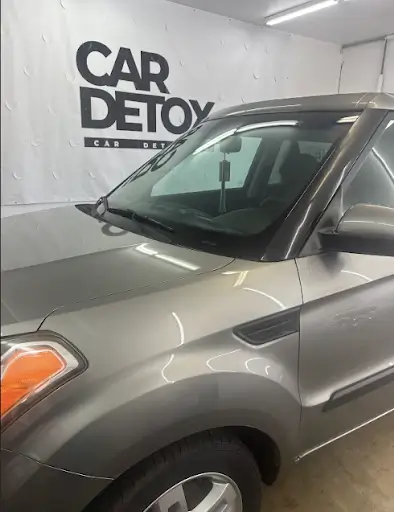
The surface is perfectly prepped, and now comes the exciting part – applying the ceramic coating. This step demands precision and patience, but beginners can achieve great results with the right approach. DIY ceramic coating can be tricky — one small mistake can dull your finish. Our detailing experts use premium products and the right techniques to get that perfect mirror gloss.
How to apply ceramic coating to your car
The best results come from working in a controlled environment between 65-75°F with low humidity. Start by adding a few drops of coating to your applicator pad. The process works best in small 2×2 or 3×3-foot sections. Apply the coating in straight, slightly overlapping lines. A “rainbow effect” appears as the coating bonds with paint. The surface needs gentle buffing with a clean microfiber towel in circular motions after 1-5 minutes, depending on product flash time.
Consistent pressure throughout the process ensures even coating thickness. Each section needs careful inspection under proper lighting before moving forward.
Common mistakes to avoid during the application
Several issues can affect the coating quality. The coating dries prematurely if sections are too large. Applying the product in direct sunlight or high humidity leads to poor results. Dirty applicators or towels compromise the finish. Too much product creates problematic high spots. Poor lighting during application makes it difficult to spot imperfections.
How to fix high spots or uneven areas
Quick action makes a difference with high spots. Fresh spots can be removed with a microfiber cloth within hours. A small amount of coating can reactivate partially cured spots that need immediate buffing. Machine polishing with a medium cutting compound fixes fully cured spots. Extreme cases might need wet sanding with 3000-grit sandpaper and reapplication.
Post-Application Care and Long-Term Maintenance
Your ceramic coating investment needs proper aftercare to last longer and perform better. The right care should start right after applying the final coat.
Curing time and environmental factors
The original curing phase takes 24-48 hours, but complete curing might need 2-3 weeks. Here’s what you need to do during this time:
- Keep your vehicle away from water for at least 48 hours
- Room temperature should stay between 60-80°F with moderate humidity (50-70%) for the best curing results
- Good ventilation helps clear solvent fumes
Weather conditions substantially affect the curing process. High humidity makes it take longer and raises the risk of contamination.
How to wash a ceramic-coated car
The right washing technique is vital after curing. Let the coating settle for at least a week before washing. After that:
- Use pH-neutral shampoo made for coated vehicles
- Follow the two-bucket method – one bucket with soap and another with clean water
- Use premium microfiber towels (800+ GSM) to dry the surface completely
- Stay away from automatic car washes that use abrasive brushes
When and how to reapply or top up
These coatings usually last 2-5 years before needing a new application. Look for these signs that indicate it’s time for reapplication:
- Water doesn’t bead up like before
- The shine looks dull even after cleaning
- Contaminants stick more easily to the surface
You can use ceramic boosters or SiO2 sprays between full reapplications every 6-12 months. This helps maintain the coating’s water-repelling properties.
Conclusion
Ceramic coating is a game-changing advancement in car protection. This piece shows how silica-based protection works better than regular waxes and sealants. It lasts for years and protects your car better than anything else.
Without doubt, a good ceramic coating job starts with careful prep work. The detailed cleaning, decontamination, and paint correction might take time. But these steps make sure your coating sticks well and works as it should.
Ceramic coating is worth every penny you invest in your car’s looks and value. The process needs attention to detail. But the results are worth it – amazing shine, easier cleaning, and protection that lasts. Now you know enough to do this project yourself and get professional results without paying shop prices. Your car deserves the lasting protection and brilliant shine that only ceramic coating can give. Protect your paint. Boost your shine. Skip the hassle. Get professional ceramic coating with Car Detox — same-day appointments available!
FAQs
A quality ceramic coating can protect your car’s paint for 2-5 years with proper maintenance. Some professional-grade coatings may even last up to 7 years when cared for correctly.
Ceramic coating offers superior durability, lasting years instead of weeks. It provides better protection against UV rays, chemicals, and minor scratches. The hydrophobic properties make cleaning easier, and they enhance the paint’s gloss for a showroom-quality shine.
While not always mandatory, polishing is highly recommended before ceramic coating application. It removes imperfections and ensures the coating bonds properly with the paint surface, leading to better results and longevity.
It’s best to wait at least a week before the first wash after ceramic coating application. The coating needs time to cure fully, which can take 24-48 hours initially, with complete curing occurring over 2-3 weeks.
While it’s possible to apply ceramic coating yourself, it requires careful preparation, precise application, and the right tools. For beginners, hiring a professional might be advisable to ensure optimal results, especially for tasks like paint correction and even application.
Our Popular Services
Car Detailing Services | Ceramic Coating Services | Pet Hair Removal Services | Mobile Auto Detail Services Happy Valley | Car Detailing Services in Tualatin
Find Us On Map
Car Detox – Auto Detailing Services
Book An Appointment