
How to Get Mold Out of Car Seats: Fabric and Leather Guide
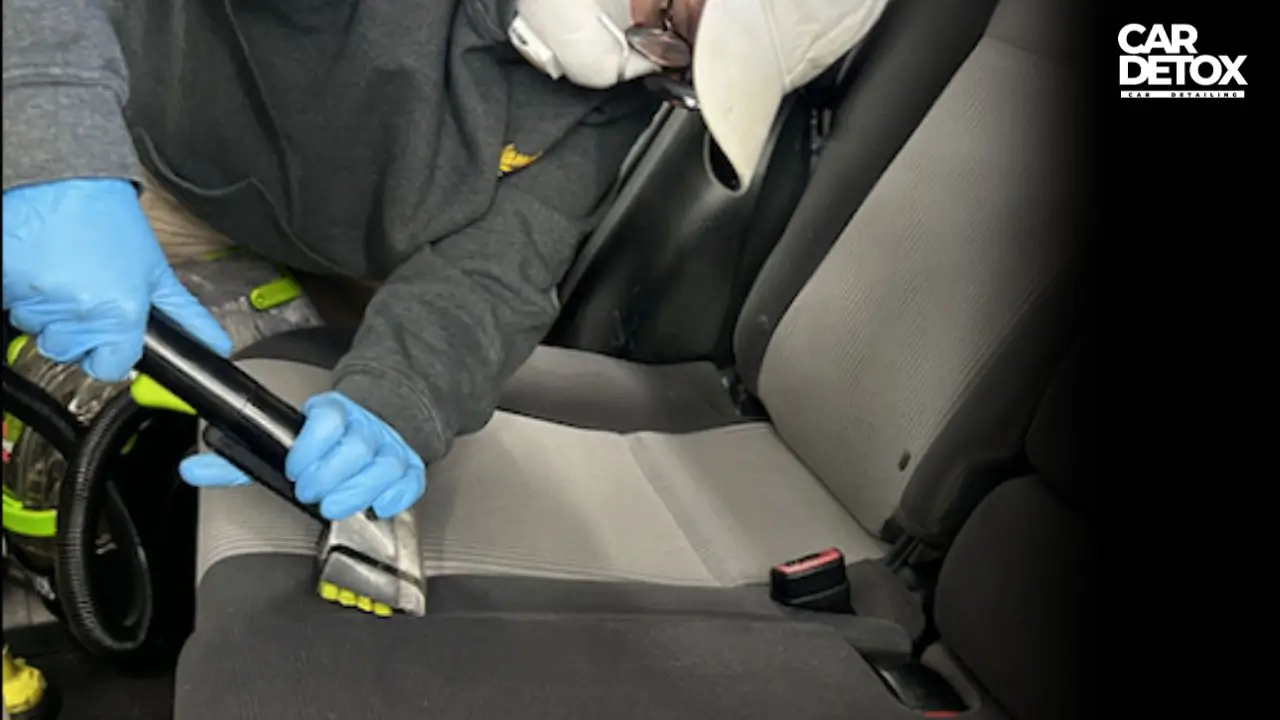
On This Page
Mold on car seats usually starts small, a few gray, white or green spots and a musty smell you can’t place. Left alone, it spreads through fabric, into the foam underneath and across the rest of the interior.
The good news is that surface mold is often removable at home if you act quickly and use the right method for your seat material. This guide walks through how to clean mold off fabric and leather seats safely, what to avoid, and when the problem needs professional treatment.
What Causes Mold on Car Seats?
Mold needs moisture, warmth and something organic to feed on, and a closed car often provides all three. A spill, a wet jacket or a leak that soaks into the seat gives spores everything they need to grow.
Common moisture sources include leaking door or window seals, clogged sunroof drains, wet floor mats and windows left cracked in the rain. Food crumbs, sweat and skin oils add the organic material, while poor ventilation keeps humidity trapped inside.
If your seats keep getting damp, find the leak first. Our guides on clogged sunroof drains and damaged door and window seals cover the most common culprits.
Is Mold in Car Seats Dangerous?
Mold releases spores into the air you breathe while driving, and many people notice a musty smell, irritated eyes or a stuffy nose in a moldy car. People with allergies, asthma or weakened immune systems are usually more sensitive.
You don’t need to panic over a few small spots, but you shouldn’t ignore them either. Wear gloves and a mask while cleaning, and talk to a doctor if you feel unwell after spending time in the car.
How Do You Get Mold Out of Fabric Car Seats?
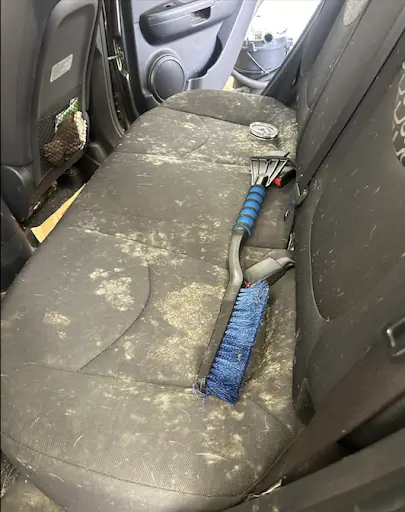
Fabric seats trap moisture deep in the weave and the foam underneath, so the goal is to kill surface mold, extract it and dry the seat completely. Work in a shaded, ventilated area with the doors open. Here’s the process:
- Put on gloves, a mask and eye protection before you touch the mold.
- Remove floor mats, trash and anything damp, and let the car air out.
- Vacuum the seats with a HEPA vacuum to lift loose spores, then empty the vacuum outdoors.
- Lightly mist the affected areas with a diluted white vinegar solution and let it sit for 10 to 15 minutes.
- Scrub gently with a soft upholstery brush, working from the outside of each spot toward the center.
- Extract the moisture and residue with a wet/dry vacuum or upholstery extractor.
- Dry the seats completely with fans, a dehumidifier or warm sun through open doors.
Always test any cleaner on a hidden spot first, and never soak the seat. Too much liquid pushes moisture into the foam, which is exactly where mold grows back. Never mix vinegar or ammonia with bleach, since the combination releases toxic fumes.
How Do You Clean Mold Off Leather Car Seats?
Leather needs a gentler approach than fabric. Strong acids and solvents strip its protective finish, which leads to drying, fading and cracking.
- Vacuum the seat with a soft brush attachment, paying close attention to seams and perforations.
- Wipe the mold with a microfiber towel dampened with a pH-balanced leather cleaner or a mild soap solution.
- Use a soft-bristle brush on seams and stitching where mold hides.
- Wipe away residue with a clean, slightly damp towel, then dry the seat with another towel.
- Apply a quality leather conditioner once the seat is fully dry.
Perforated and ventilated leather seats can hold mold inside the holes and the cushion underneath. If the smell returns after cleaning, the mold has likely reached the padding. Our guide on getting mold out of car upholstery explains how deeper growth is handled.
Which Cleaners Are Safe for Each Type of Car Seat?
The right cleaner depends on your seat material. Use this table as a quick reference before you start:
| Seat material | Safe cleaning options | What to avoid | Typical drying time |
|---|---|---|---|
| Cloth or fabric | Diluted white vinegar, upholstery cleaner, wet/dry vacuum extraction | Bleach, soaking the foam, harsh scrubbing | 12 to 24 hours with airflow |
| Leather | pH-balanced leather cleaner, mild soap and water, leather conditioner afterward | Undiluted vinegar, bleach, alcohol, excess water | A few hours, then condition |
| Vinyl | Mild soap solution or vinyl-safe interior cleaner | Abrasive pads and solvent-based cleaners | 1 to 2 hours |
| Alcantara or suede | Dedicated Alcantara cleaner and a soft brush, used sparingly | Vinegar, soaking, stiff brushes | Several hours with gentle airflow |
| Seat foam or padding (deep mold) | Professional extraction, mold treatment and ozone | DIY surface cleaning alone | Varies, often overnight |
Does Vinegar Kill Mold on Car Seats?
White vinegar is a popular choice for light surface mold on fabric seats, and many detailers use a diluted solution as a first step. It’s inexpensive, easy to find and safer around fabrics than bleach.
Vinegar works best on small, fresh spots. It won’t reach mold growing deep in seat foam, and its acidity makes it a poor choice for leather and Alcantara. If spots or smells come back within a few weeks, the mold is deeper than surface cleaning can reach.
What Does White Mold on Car Seats Mean?
White, fuzzy or powdery growth is common in cars that sat closed and damp, especially over winter. It often appears on fabric seats, seat belts and carpets at the same time.
White mold usually responds to the same cleaning steps as other surface mold, but it tends to cover a larger area. Our guide on removing white mold in a car covers it in more detail.
When Should You Call a Professional for Car Mold Removal?
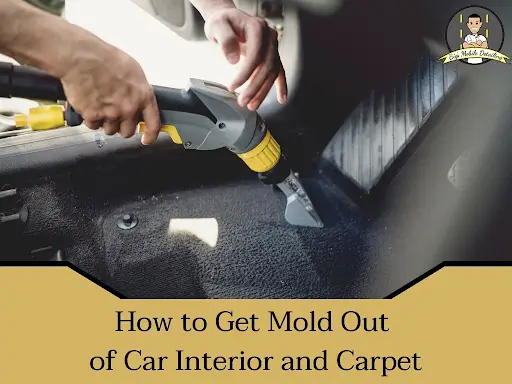
DIY cleaning works for small, recent spots. It’s time to call a professional when mold covers large areas, keeps coming back after cleaning or leaves a smell that won’t go away.
The same applies if you see mold on the headliner, carpets and seats at once, or if the car flooded or sat wet for days. At that point, the mold is almost certainly in the padding and air system, not just on the surface.
Car Detox’s mold treatment deep cleans affected surfaces and includes an ozone treatment that targets airborne mold spores and lingering odor. You can learn more about how it works in our guide to ozone treatment for cars.
How Do You Get the Mold Smell Out of Car Seats?
A musty smell often lingers even after the visible mold is gone. That’s because odor-causing compounds stay trapped in the fabric, foam and cabin air.
Once the seats are completely dry, sprinkle baking soda over fabric surfaces, let it sit for several hours or overnight, and vacuum it up thoroughly. Baking soda absorbs moisture and neutralizes odors without adding a perfumed cover-up scent.
Replace the cabin air filter too, since it can hold spores and recirculate the smell every time you run the fan. If the odor still won’t fade, our guide on getting mold smell out of a car covers deeper fixes, including professional ozone treatment.
What Should You Do After Cleaning Mold Off Your Seats?
Cleaning is only half the job. Leather seats need conditioning within a day or two of cleaning, since mold removal and drying can leave the surface stiff and prone to cracking.
For fabric seats, check the cushion by pressing firmly with a dry paper towel. If it comes away damp, keep drying before you close up the car. Sealing in moisture is the fastest way to bring mold right back.
Over the next few weeks, check the seats and carpets after rain and sniff for any return of the musty smell. Catching regrowth early keeps a small cleanup from turning into a full interior treatment.
Why Is Car Mold So Common in Portland?
The Portland area spends months each year in cool, wet weather, which is ideal for mold. Damp clothes, wet umbrellas and rain tracked in on shoes add moisture every time you get in the car.
Cars that sit parked for a week or more, or stay closed in a garage during the rainy season, are especially at risk. A musty smell in fall or early spring is often the first sign that mold has started to grow.
How Do You Stop Mold From Coming Back in Your Car?
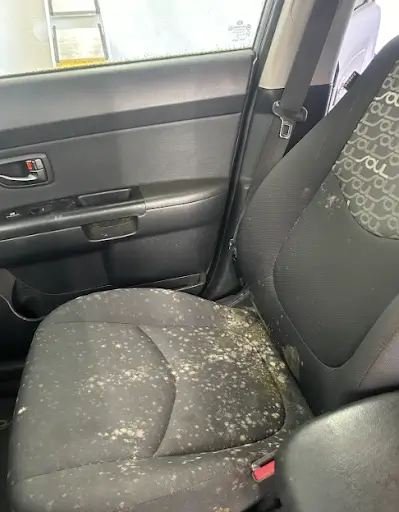
Prevention comes down to controlling moisture. Remove wet items as soon as you get home, dry spills right away and use rubber floor mats during the rainy season.
Run the air conditioning or defroster regularly, since both pull moisture out of the cabin air. Moisture absorbers help in cars that sit for long periods, and checking door seals and sunroof drains each fall stops leaks before they reach the seats.
A regular interior detail also helps by removing the crumbs, oils and grime that mold feeds on.
Need Professional Help With Mold in Your Car?
Small mold spots on car seats are usually manageable with the right cleaner, careful drying and a little patience. Larger outbreaks, repeat growth and lingering smells need a deeper treatment.
If you’re in the Portland metro, book a mold treatment at our Sherwood shop. Our team will clean and treat the affected areas so your car looks, smells and feels fresh again.
Frequently Asked Questions About Mold on Car Seats
Vacuum the seats with a HEPA vacuum, treat fabric with a diluted white vinegar solution or upholstery cleaner, scrub gently, extract the moisture with a wet/dry vacuum and dry the seats completely. Leather needs a pH-balanced leather cleaner instead of vinegar.
Yes. Wipe the mold away with a pH-balanced leather cleaner or mild soap solution, clean the seams with a soft brush, dry the seat and finish with leather conditioner. Avoid undiluted vinegar, bleach and alcohol, which damage leather.
Mold releases spores into the cabin air, which can irritate your eyes, nose and throat, especially if you have allergies or asthma. Clean small spots quickly and have widespread mold professionally treated before driving the car regularly.
Recurring mold usually means moisture is still getting in or mold remains deep in the seat foam. Find and fix leaks, dry the interior completely and consider a professional mold treatment if the problem returns.
Cost depends on how far the mold has spread and the size of the vehicle. Contact Car Detox or book online for a quote on mold treatment at our Sherwood shop.

Jeannette Lee
Recent Blogs
How to Clean Alcantara and Suede Car Seats the Right Way
Alcantara and suede give a car interior a premium, grippy feel, which is why you find them on…
Read More ›
How Much Does Fleet Detailing Cost? A Portland Business Owner’s Guide
A clean fleet does more than look good on the road. It protects your vehicles, reinforces your brand…
Read More ›
How to Get Gasoline Smell Out of a Car: An Oregon Detailer’s Complete Guide
Few smells are as stubborn or as unsettling as gasoline inside your car. It clings to carpet and…
Read More ›Ready to get started?
Book your detail today and give your car the care it deserves.
Book Now