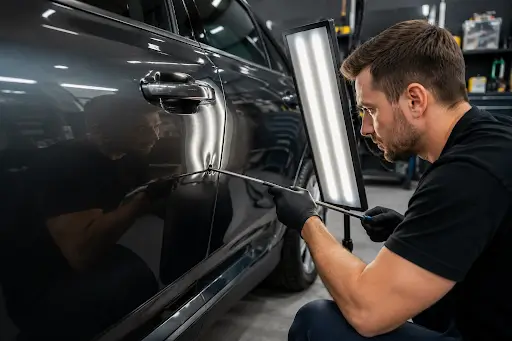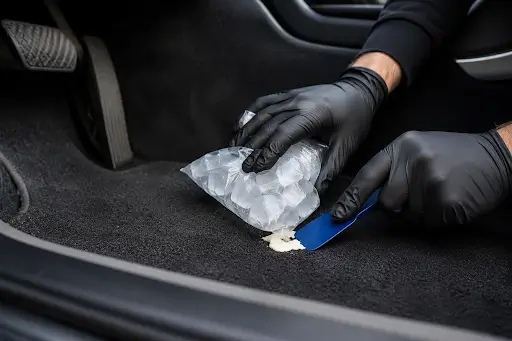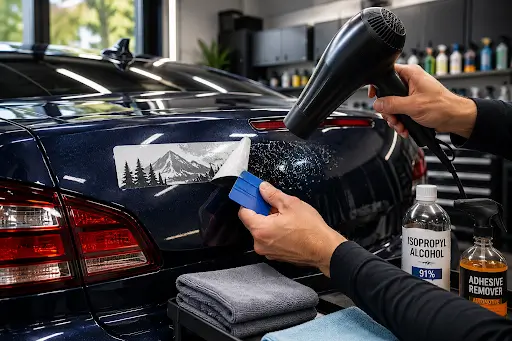


Every trade contractor knows the truth about their work van: it’s the most visible piece of marketing your business owns. Homeowners see it parked in their driveway before they meet you. Commercial clients judge your professionalism the moment your van pulls up to their property. Yet most contractors treat their vans as pure tools, ignoring the appearance and long-term protection that directly affects both client trust and vehicle resale value.
Contractor van detailing solves this problem with professional cleaning and protection services designed specifically for trade vehicles that face daily abuse from tools, materials, and job-site conditions. Whether you run a solo HVAC operation, manage a fleet of plumbing vans, or coordinate electrical service vehicles across Portland metro, professional detailing preserves your investment and elevates your brand image.
In our Tualatin shop, we handle fleet detailing for contractors across HVAC, plumbing, electrical, roofing, landscaping, and general contracting trades. This guide breaks down what contractor van detailing actually includes, how often it makes sense, and which trades benefit most from a regular cleaning routine.
Why Does Contractor Van Detailing Matter More Than Regular Auto Detailing?
Contractor van detailing matters more than regular auto detailing because trade vehicles serve dual roles: they’re work tools carrying equipment, materials, and often chemicals, and they’re rolling billboards representing your business to every client who sees them. A clean, well-maintained van signals professionalism and quality workmanship before you say a word. A dirty, damaged van undermines even the best technicians’ credibility. Beyond image, contractor vans typically accumulate 25,000 to 60,000 miles per year, three to five times the mileage of personal vehicles, making paint protection and interior preservation critical for resale value and long-term operating costs.
The financial math is straightforward. A contractor van depreciates faster than a personal vehicle due to higher miles, harder use, and cosmetic wear. That accelerated depreciation directly reduces the trade-in or resale value when it’s time to replace the vehicle. Regular professional detailing slows this depreciation by preserving paint integrity, protecting interior surfaces, and maintaining the appearance factors that appraisers evaluate.
The client trust math is equally important but harder to measure. Every homeowner who sees a spotless service van in their neighbor’s driveway forms an impression before that contractor ever quotes a job. Every commercial property manager who compares two contractors’ vehicles at bid meetings has already ranked them subconsciously by presentation.
For trade businesses competing on quality and reputation, the vehicle is often the first proof of both. Professional detailing turns your fleet into a competitive advantage rather than an operational cost.
What’s Different About Detailing a Contractor Van vs a Personal Vehicle?
Contractor vans present unique challenges that standard auto detailing doesn’t fully address. The differences run through both interior and exterior work.
Interior wear patterns are dramatically more aggressive. Where personal vehicles see food crumbs, occasional spills, and normal seat wear, contractor vans absorb tool grease, drywall dust, sawdust, plumbing residue, HVAC refrigerant oil, paint drips, adhesive marks, and constant boot traffic from muddy job sites. The driver’s seat, floor mats, and door panels take punishment that a family sedan never experiences.
Cargo areas need specialized attention because they house tools, parts, and materials that most detailers rarely encounter. Metal shavings, screws, wire clippings, insulation fibers, and other debris accumulate in ways that require careful cleaning to avoid damaging tools stored on shelves or in bins. Deep vacuuming with commercial-grade equipment handles what a household vacuum cannot.
Exterior challenges include the vehicle wraps or branded graphics that most contractor vans carry. Vinyl wraps require specific cleaning techniques to preserve color, prevent lifting at edges, and maintain the crisp appearance that branding depends on. Standard car wash chemicals can damage wraps, fade prints, and shorten the vinyl’s useful life significantly.
Paint protection matters more for vans that stay parked at job sites in weather, get sprayed with construction debris, and face constant contact with tools being loaded and unloaded. A ceramic coating suited for a personal daily driver may not deliver the durability that a high-mileage service vehicle needs.
Wheels and undercarriage see more abuse from job-site conditions, rough parking surfaces, and mud accumulation. Regular contractor van detailing addresses these often-neglected areas that affect both appearance and long-term vehicle health.
What Do Contractor Van Detailing Services Actually Include?
Professional contractor van detailing combines interior, exterior, and specialty services designed for trade vehicle needs. Here’s what a complete service typically covers.
Exterior work starts with a thorough hand wash using pH-neutral shampoo safe for both paint and vinyl wraps. Bug and tar removal, wheel cleaning with dedicated wheel products, tire dressing, and glass cleaning follow. For vans with visible paint (not fully wrapped), clay bar treatment removes bonded contaminants that standard washing can’t touch. Wax or ceramic coating application protects the finish going forward.
Interior detailing addresses the daily wear zones aggressively. Complete vacuuming of driver, passenger, and cargo areas removes accumulated debris. Steam cleaning of upholstery and floor mats lifts embedded dirt, grease stains, and odors. Dashboard, console, door panels, and steering wheel get wiped down with appropriate cleaners. Cup holders, air vents, and hard-to-reach areas receive detailed attention that daily quick cleans skip.
Cargo area service handles the working part of the van. This includes removal of loose debris, vacuuming shelving and bin bases, wiping down interior surfaces, and treating any spills, chemical residue, or material buildup. Some services include tool removal for deeper cleaning, though this varies by scope and client preference.
Wrap care applies to vans with vinyl graphics. Proper wrap-safe cleaning products maintain color vibrancy, prevent edge lifting, and extend the graphics’ service life. This detail matters because full wrap replacement can be a significant expense compared to preventive maintenance.
Odor treatment addresses the accumulated smell that develops in high-use work vehicles. This can range from ozone treatment for mild cases to full interior detailing service with steam and extraction for vehicles with significant contamination.
How Often Should You Detail Your Contractor Van?
Frequency depends on trade, mileage, and how much the vehicle sees weather and job-site abuse. A general framework helps most contractor businesses build a sustainable maintenance schedule.
Weekly or bi-weekly quick exterior wash keeps the van presentable for daily client visits. This can be handled by drivers themselves or as part of a fleet maintenance routine. The goal is preventing dirt buildup and maintaining consistent appearance rather than deep cleaning.
Monthly professional detailing addresses the accumulated interior and exterior work that daily maintenance can’t touch. This typically includes complete vacuuming, steam cleaning of high-wear surfaces, thorough exterior wash, tire treatment, and cabin refresh. For trades with heavy interior contamination (HVAC, plumbing, painting), monthly service is often the minimum sustainable schedule.
Quarterly deep detailing covers the interior areas that monthly service doesn’t fully reach, plus any restorative work on high-wear surfaces. This is when the driver’s seat gets deep steam extraction, floor mats get thorough treatment, and cargo areas receive attention beyond routine vacuuming.
Annual ceramic coating refresh protects paint and wrap surfaces from the accelerated wear that contractor vans experience. Given the mileage these vehicles accumulate, standard consumer-grade paint protection wears through faster than on personal vehicles.
Ready to set up a regular detailing routine for your contractor fleet? Book fleet detailing at Car Detox and we’ll build a maintenance schedule around your operational needs.
Which Trades Benefit Most From Regular Van Detailing?
Every trade contractor benefits from professional van detailing, but some see stronger ROI due to higher visibility, tougher contamination, or greater impact on client trust.
HVAC contractors deal with refrigerant oil, insulation residue, and metal debris from ductwork. Interior cabin oil buildup accelerates due to technicians handling equipment. Fleet cleanliness matters heavily in HVAC because the industry competes on professionalism and technicians frequently work inside customer homes.
Plumbing contractors face water contamination, drain cleaning residue, and mud from underground work. Interior seat and floor damage from wet clothing and boots is common. Client-facing visibility is high because plumbers work in occupied homes and businesses.
Electrical contractors accumulate wire scraps, drywall dust from panel installations, and general construction debris. Van cleanliness affects safety (loose metal debris) as much as appearance.
Roofing contractors bring granules, tar residue, and general construction debris into their vehicles daily. Roofing vans see some of the toughest interior contamination of any trade.
Landscaping companies deal with grass clippings, mud, wet debris, and organic material that creates odor and staining if not addressed promptly. Vans and trucks used for maintenance visits benefit from frequent professional service.
Painting contractors face paint drips, thinner residue, and adhesive marks that specialty cleaning products can address before they become permanent. Van appearance is critical because painters compete heavily on quality perception.
General contractors and remodelers face mixed contamination from all trades combined. Their vans need broad-spectrum professional detailing that addresses varied wear patterns.
Cleaning services and janitorial companies face an ironic problem: their client-visible vehicles undercut their cleaning credibility if the vans themselves look neglected. Regular detailing is essentially non-negotiable.
Mobile mechanics, appliance repair, pest control, and pool service technicians all face similar contamination patterns and benefit from consistent professional care.
How Does Mobile Detailing Fit Contractor Van Schedules?
Contractor businesses can’t afford to send vehicles offline during business hours. Mobile detailing solves the scheduling conflict that keeps many fleets from getting professional service.
Our mobile car wash service brings professional detailing directly to your shop, job site, or contractor yard. Vehicles get cleaned during downtime rather than requiring drop-off appointments during operational hours.
For fleet operations, mobile service scales naturally. Multiple vehicles can be scheduled for the same visit, reducing per-vehicle service time and coordination overhead. Weekly or bi-weekly recurring visits build cleanliness into the operational rhythm without disrupting client-facing work.
For solo contractors and small operations, mobile service means the van gets detailed while you’re catching up on paperwork or handling other tasks. No drive to the shop, no waiting room time, no lost productivity.
Weather and season play a role in mobile scheduling. Portland’s rain climate means covered parking or shop access helps mobile detailers work efficiently during wet months. Most contractors have covered space at their operational base that accommodates mobile service.
Mobile service also handles the trade-specific reality that some contractor vans are too dirty to bring into a customer-facing detail shop. Muddy work vans, chemical-residue vehicles, and heavily-loaded trucks are easier to service on-site than to unload and transport for shop service.
Why Do Contractor Vans Need Ceramic Coating?
Ceramic coating delivers benefits for contractor vans that go beyond the aesthetic upgrades most consumers focus on. For high-mileage business vehicles, the protection is genuinely functional.
Paint protection matters more on vehicles that accumulate 25,000 to 60,000 miles per year. Standard wax wears off within weeks under contractor van conditions. Consumer-grade sealants last a few months at most. Professional ceramic coating provides multi-year protection that survives the higher exposure contractor vehicles face.
Vinyl wrap protection is a specialty benefit for branded vehicles. Ceramic coating applied over wraps extends wrap life significantly by protecting the vinyl from UV damage, chemical exposure, and mechanical abrasion during cleaning. Given the cost of full wrap replacement, this extended service life often pays for the coating installation many times over.
Reduced cleaning time is a practical operational benefit. Ceramic-coated vans require less scrubbing to look presentable because contaminants don’t bond to the surface. For fleet operations where crews handle basic cleaning between professional details, this time savings adds up across dozens of vehicles.
Brake dust resistance matters for wheels on high-mileage vehicles. Ceramic-coated wheels wash clean with a quick rinse rather than requiring aggressive scrubbing that damages finishes.
For fleet operators, ceramic coating applied across multiple vehicles delivers compounded benefits: reduced maintenance costs, extended vehicle life, preserved resale value, and consistent professional appearance across the fleet.
How Do Van Detailing Costs Affect Your Business Bottom Line?
Professional van detailing is typically a fully deductible business expense, which changes the math significantly from personal vehicle detailing.
Vehicle maintenance and appearance services on business vehicles used exclusively for business purposes are generally deductible against business income. This effectively reduces the true cost of professional detailing by your business tax rate. Consult your accountant for specifics on your business structure and use pattern.
Reduced vehicle depreciation is the second financial benefit. Fleet vehicles that maintain better appearance and interior condition trade in or sell for higher values at replacement time. The differential between a well-maintained van and a neglected van at resale often exceeds several years of professional detailing costs.
Client acquisition impact is the third factor. Contractors compete for jobs partly on presentation, and professional-looking vehicles directly support quote-to-close rates. A single additional job per quarter earned through better fleet presentation covers a year of professional detailing for many trade operations.
Employee morale and pride matter for larger contractor operations. Technicians assigned to clean, well-maintained vehicles report higher job satisfaction than crews driving neglected vans. This affects retention and productivity in measurable ways.
For contractor businesses ready to set up a fleet maintenance program, Car Detox fleet detailing offers tailored packages for HVAC, plumbing, electrical, roofing, and other Portland-area trade operations.
What Mistakes Should Contractor Businesses Avoid With Van Detailing?
- Using automated tunnel car washes on wrapped vans. Rotating brushes damage vinyl edges and shorten wrap life significantly
- Skipping interior cleaning between professional details. Accumulated debris and stains become permanent if left too long
- Choosing the cheapest detailing option available. Improper products damage paint, wraps, and interior surfaces
- Ignoring cargo area contamination. Chemical residue and debris affect tool condition and vehicle resale value
- Waiting until vans look terrible to book service. Preventive maintenance costs less than restorative deep cleaning
- Not coordinating fleet scheduling. Random one-off appointments miss the efficiency of scheduled recurring service
- Applying consumer-grade wax or sealant to wraps. Wrong products damage vinyl and void wrap warranties
- Assuming detailing isn’t tax deductible. Business vehicle maintenance is typically a legitimate business expense
Frequently Asked Questions
What is contractor van detailing?
Professional cleaning and protection services designed for trade vehicles, including specialized attention to interior wear from tools and materials, exterior paint or wrap protection, and cargo area cleaning.
Do you offer fleet detailing for multiple vans?
Yes. Car Detox fleet detailing supports contractor businesses with multiple vehicles, from solo operators with one van to fleets with dozens of service vehicles.
Is contractor van detailing tax deductible?
Typically yes for business-use vehicles. Consult your accountant for specifics on your business structure and vehicle use pattern.
How often should a contractor van be detailed?
Weekly quick washes plus monthly professional detailing works for most trades. Quarterly deep cleaning and annual ceramic coating refresh complete the recommended maintenance cycle.
Can you detail vans with vinyl wraps?
Yes. Wrap-safe cleaning products preserve color and extend vinyl life. Improper products damage wraps significantly, so professional service protects your investment.
Do you offer mobile service for contractor fleets?
Yes. Mobile car wash service brings professional detailing to your shop, job site, or contractor yard without requiring vehicles to leave your operational base.
Which trades benefit most from professional van detailing?
HVAC, plumbing, electrical, roofing, landscaping, painting, cleaning, general contracting, and mobile service trades all see strong ROI from regular professional detailing.
How long does contractor van detailing take?
Standard interior and exterior detailing typically takes 3 to 5 hours per vehicle. Mobile service can handle multiple vehicles in the same visit for fleet efficiency.
Do you handle ceramic coating for contractor vans?
Yes. Ceramic coating for contractor vans provides multi-year paint and wrap protection that outlasts consumer-grade sealants under high-mileage business use.
How do I set up recurring detailing for my fleet?
Book fleet detailing directly and we’ll discuss your operational schedule, vehicle count, and preferred service frequency to build a maintenance plan that fits your business.
Final Thoughts
Contractor van detailing is one of the most overlooked competitive advantages available to Portland trade businesses. Every clean, well-maintained van in your fleet supports client trust, preserves resale value, and reduces long-term operating costs. Every neglected vehicle undermines the professional image your technicians work to build.
For solo contractors, monthly professional detailing keeps your one main vehicle presentable and protected. For fleet operators, a coordinated maintenance program across multiple vehicles compounds the benefits through consistent brand presentation and reduced depreciation.
The trades that face the toughest contamination (HVAC, plumbing, electrical, roofing, landscaping, painting) see the strongest ROI from professional service, but every contractor vehicle benefits from regular attention. Ceramic coating provides the extended paint and wrap protection that high-mileage business vehicles genuinely need.
To set up a fleet detailing program for your contractor business, book fleet detailing at Car Detox at our Tualatin shop. We serve HVAC, plumbing, electrical, roofing, landscaping, and general contractors across Beaverton, Tigard, Lake Oswego, Sherwood, West Linn, and the broader Portland metro.