
Your lease is almost up. You are about to hand the keys back, and then you remember the wear charges. Scuffed wheels, a stained seat, light scratches on the door. Those little things add up fast at inspection.
Knowing how to detail a leased car before returning it can save you real money. Lease companies charge for anything they call excess wear, and a lot of that is cosmetic and fixable. A good detail turns “excess wear” back into “normal wear” before the inspector ever sees it.
Here is what you will learn: the difference between normal and excess wear, which detailing steps actually cut your charges, and how to prep your car so the inspection goes smoothly.
Key Takeaways
- Lease companies charge for excess wear, and much of it is cosmetic damage a detail can reduce or remove.
- Polishing light scratches and scuffs, plus deep interior cleaning, often pays for itself in avoided fees.
- Prep before the inspection, not after, so the inspector logs your car in its best condition.
Normal Wear vs Excess Wear: What Gets Charged
Lease agreements allow normal wear, small stuff from everyday use, but charge for excess wear like deep scratches, stains, odors, and scuffed wheels. The line between the two is often cosmetic, which is exactly where detailing helps.
Normal wear usually means light, expected aging. Excess wear is damage that stands out: a coffee stain soaked into a seat, swirl marks across a panel, a smoke smell, or curb rash on the wheels. These trigger fees.
Here is the good news. Many of these are surface-level and can be cleaned or polished away. A dirty car also makes normal wear look worse, so cleaning alone can change how an inspector grades it.
Step One: Deep Clean the Interior
The interior is where hidden charges live. Stains and odors that you stopped noticing months ago will jump out at an inspector.
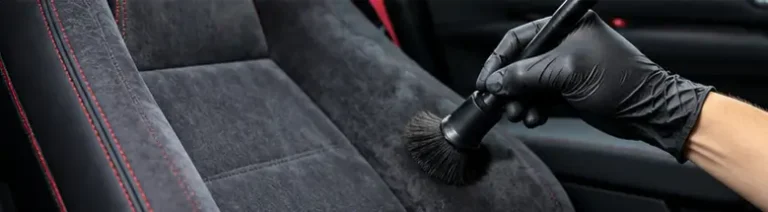
- Shampoo carpets and upholstery to lift set-in stains.
- Clean and condition leather or vinyl seats.
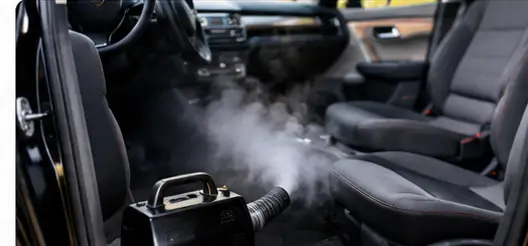
- Remove odors fully, since smoke or pet smells often carry a fee.
- Detail every surface, including vents, cup holders, and door pockets.
Odor is a common and avoidable charge. Our interior detailing service and smoke smell removal address exactly what inspectors flag. If you had a pet, our pet hair removal matters too.
Step Two: Address Exterior Scratches and Scuffs
Light exterior damage is often the biggest source of avoidable fees, and much of it polishes out.
Paint correction removes swirl marks and light scratches from the clear coat, restoring a smooth finish. A single polish can erase months of minor marks that would otherwise read as excess wear. Our scratch and swirl removal guide explains the process.
Curb-rashed wheels and scuffed trim also draw charges. Cleaning and dressing them, and repairing light curb rash where possible, sharpens the whole look.
Not every scratch comes out. Deep gouges that reach below the clear coat need body work, so weigh the repair cost against the likely fee.
Step Three: Clean the Details Inspectors Notice
Inspectors are trained to spot the small things. A thorough detail covers the areas owners forget.
- Headlights cleaned so they look clear, not foggy.
- Glass cleaned inside and out, streak-free.
- Door jambs and trunk wiped down.
- Wheels and tires cleaned and dressed.
- Engine bay tidied for a cared-for impression.
A car that looks meticulously kept sets a positive tone for the entire inspection.
Facing a lease return soon? Book a lease-return detail with Car Detox before your inspection and protect yourself from avoidable charges.
Step Four: Time It Right Before Inspection
Timing matters. You want the car in peak condition on inspection day, not a week before when new marks can appear.
Schedule your detail close to the return date. If your lease company sends a pre-inspection notice, get the detail done before that appointment so the car is logged at its best. Keep the car clean and covered in the days between.
Bring any receipts for recent maintenance too. A documented, well-kept car reinforces the impression that you cared for it.
Do the Savings Justify the Detail?
For most leases, yes. A single stain charge, odor fee, or scratch assessment can match or exceed the cost of a full detail. Stack a few together and detailing clearly wins.
The math is simple. If a detail removes even one or two chargeable issues, it pays for itself, and you drive away without a surprise bill. In the Portland leasing market, where returns are common, this is money well spent.
Common Mistakes to Avoid
Waiting until inspection day is too late. Book the detail a few days before so there is time to address anything found.
Ignoring odors. Smoke and pet smells are frequently charged and fully removable. Do not skip this.
Assuming all scratches need body work. Most light scratches polish out far cheaper than a body-shop fee.
Returning a dirty car. Dirt makes normal wear look like excess wear and invites a harsher grade.
Forgetting the wheels. Curb rash and brake dust are easy to overlook and easy for inspectors to charge.
Frequently Asked Questions
What is considered normal wear and tear on a lease? Light, expected aging like minor scuffs or tiny stone chips. Deep scratches, stains, and odors usually count as excess.
Should I fix scratches before returning a lease? Light scratches often polish out cheaply and reduce wear charges. Skip costly body work unless the gouge is deep.
Do I need to clean my leased car before returning it? Yes. A dirty car makes wear look worse and can lead to a harsher inspection grade.
How much do lease wear charges cost? It varies, but stains, odors, and scratch assessments add up quickly, often exceeding the cost of a detail.
Does detailing help avoid lease penalties? Yes. Cleaning and polishing remove or reduce many cosmetic issues that inspectors would otherwise charge for.
Are smoke odors charged on a lease return? Often yes. Smoke smell is considered excess wear and is fully removable with professional odor treatment.
Can I remove curb rash from leased wheels? Light curb rash can often be repaired or minimized. Deeper damage may still draw a charge.
When should I detail my leased car? A few days before the inspection so the car is in peak condition when it is graded.
Do stains count as excess wear? Set-in stains usually do. Shampooing carpets and upholstery before inspection often removes them.
Is it worth polishing a leased car before return? Yes, when swirls or light scratches are present. Polishing costs far less than the wear charges it prevents.
Conclusion
Learning how to detail a leased car before returning it is really about controlling what the inspector sees. Deep clean the interior, polish out light exterior marks, cover the small details, and time it right before inspection.
Much of what lease companies call excess wear is cosmetic and fixable. A well-timed detail turns those charges into normal wear and protects you from a surprise bill at return.
Want to walk into your lease inspection with confidence? Contact Car Detox and we will prep your car to look its absolute best.