
You park under a shady tree in Tigard on a warm afternoon. You come back a few hours later and the hood is dotted with sticky sap and a fresh bird dropping is baking in the sun. Sound familiar?
If you want to know how to protect car paint from tree sap and bird droppings, you are already ahead of most drivers. Both threats are worse than they look, and in Oregon’s climate they show up more often than you would think. Left alone, they eat into your clear coat and leave permanent marks.
Here is what you will learn: why these two contaminants are so damaging, how to remove them safely without scratching, and the prevention habits that keep Portland-area paint looking new for years.
Key Takeaways
- Tree sap and bird droppings are acidic and can permanently etch your clear coat within hours, especially in direct sun.
- Safe removal means softening the contaminant first, never scraping or scrubbing dry paint.
- A professional ceramic coating is the strongest long-term defense, making sap and droppings far easier to rinse off.
Why Tree Sap and Bird Droppings Damage Car Paint
Both tree sap and bird droppings are acidic, and acid eats into your clear coat. Bird droppings contain uric acid, and as they dry in the sun they harden and press that acid deeper into the paint. Tree sap bonds to the surface and, once heated, bakes on and pulls at the finish when removed carelessly.
Your car’s paint has a thin protective layer called the clear coat. This is the top layer that gives your car its shine and shields the colored paint underneath. When sap or droppings sit too long, they cause etching, small pits and rings that dull the surface.
The damage happens fast. In warm weather, a bird dropping can start to mark paint in under an hour. That is why speed matters more than anything else.
Why Oregon Weather Makes It Worse
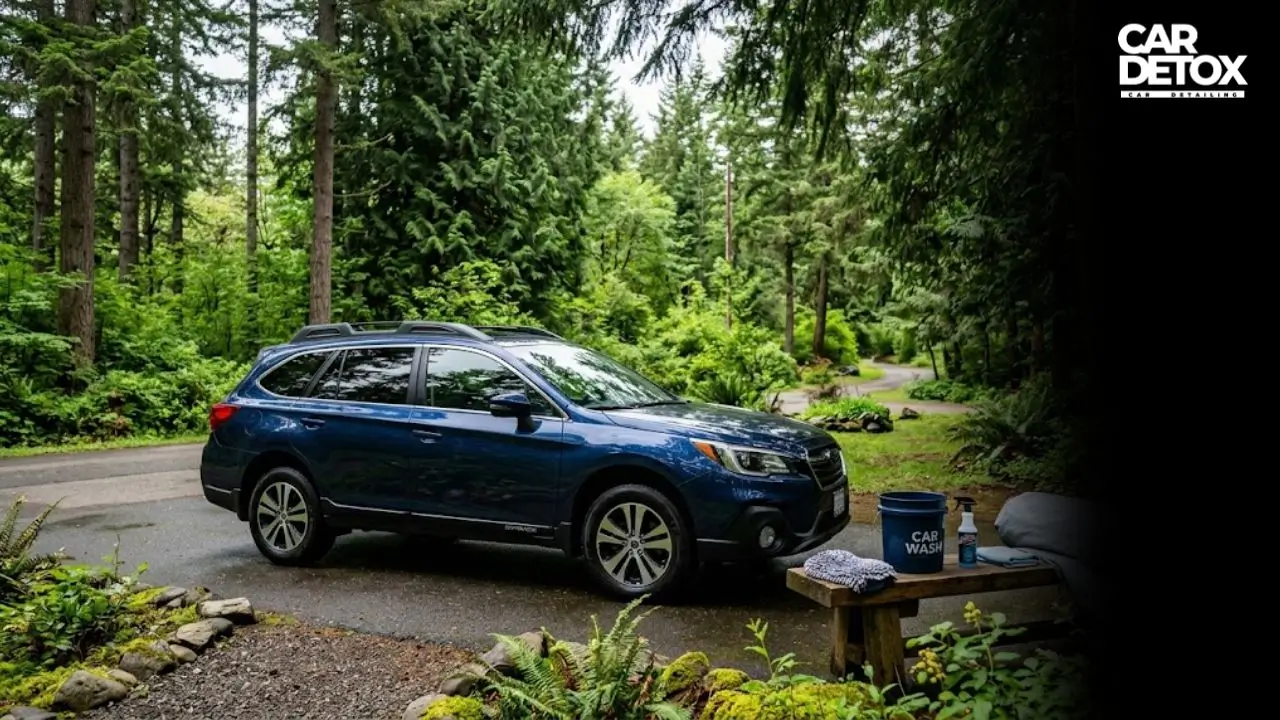
Oregon throws a specific mix of threats at your paint. The Willamette Valley is full of Douglas fir, pine, and other conifers that drip sticky sap all summer long. Park under one for an afternoon and you will feel it.
Then there is the wet season. Long stretches of damp weather trap moisture and pollen against your paint, and spring pollen season coats everything in a fine yellow film that holds contaminants in place. Add nesting birds around Tualatin, Sherwood, and Lake Oswego, and droppings become a year-round problem.
Our wet winters also mean cars sit dirty longer because owners skip washes in the rain. That gives sap and droppings more time to do damage.
How to Safely Remove Tree Sap From Car Paint
Never scrape sap off dry. That is the fastest way to add scratches. The goal is to soften it first, then lift it away gently.
- Wash the area first with a proper car shampoo to remove loose dirt.
- Soften the sap by soaking a microfiber cloth in warm water or a dedicated sap remover and holding it on the spot for 30 seconds.
- Wipe gently in one direction. Do not grind.
- Repeat rather than force it. Stubborn sap may need a clay bar treatment.
- Reapply protection afterward, since removal can strip wax or sealant.
If sap has been sitting for weeks and left a mark, you may need professional help. Our team can assess whether a light polish will restore the finish.
How to Safely Remove Bird Droppings
Speed is everything with droppings. The moment you see one, deal with it.
- Do not wipe a dry dropping. The grit acts like sandpaper.
- Soften it first by laying a damp microfiber cloth over it for 30 seconds.
- Lift, do not drag. Fold the cloth over the dropping and pull it away.
- Rinse and inspect the spot for any dullness or ring left behind.
If you find a faint outline after cleaning, the acid has already etched the clear coat. At that point, polishing is the only fix. Our Classic Polish scratch and swirl removal service can bring the surface back.
Have a car that is already marked up from sap or droppings? Reach out to Car Detox and we will tell you honestly whether a polish or full detail is the right move.
The Best Way to Prevent Sap and Dropping Damage
Removal is reactive. Prevention is what actually saves your paint and your time. Here is what works, ranked from basic to best.
| Protection Method | How Long It Lasts | Sap & Dropping Defense |
|---|---|---|
| Regular washing | Days | Low — removes them but no barrier |
| Car wax | 1 to 3 months | Moderate — adds a slick layer |
| Paint sealant | 6 months | Good — stronger barrier than wax |
| Ceramic coating | 2 to 7 years | Best — hardest, most hydrophobic layer |
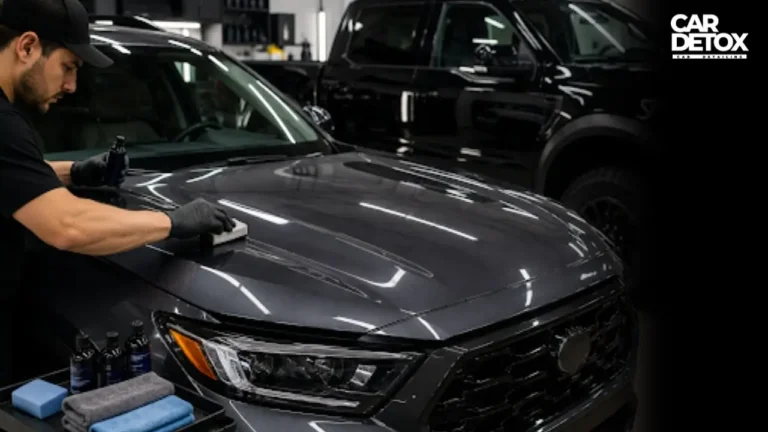
A ceramic coating is a liquid polymer that bonds to your clear coat and creates a hard, slick, water-repelling surface. Sap and droppings struggle to grip that surface, so they rinse off with far less effort and have less chance to etch. Learn more about our ceramic coating services in Portland.
Smart parking habits help too. Park in a garage or covered space when you can, and avoid parking directly under trees or on power lines where birds perch.
Common Mistakes to Avoid
Wiping contaminants off dry. Grit in dried sap or droppings scratches the clear coat instantly. Always soften first.
Using household cleaners. Dish soap and glass cleaner strip wax and coatings and can dull paint. Use car-specific products only.
Waiting until your next wash. By then the acid has already etched. Deal with sap and droppings the day you spot them.
Scrubbing hard in circles. This creates swirl marks that show up badly on any paint color. Gentle, straight motions only.
Skipping protection after removal. Cleaning often strips your wax or sealant, leaving paint exposed until you reapply.
Frequently Asked Questions
Does bird poop ruin car paint? It can. The uric acid etches the clear coat within hours in the sun, leaving permanent rings if not removed quickly.
How long can tree sap sit on a car? Remove it within a day or two. Once it bakes on in the sun, it bonds harder and risks pulling paint during removal.
Does ceramic coating protect against bird droppings? Yes. It makes droppings much easier to rinse off and reduces etching, though you should still remove them promptly.
Can I use a razor blade to remove tree sap? No. Blades scratch clear coat easily. Soften the sap and lift it with a microfiber cloth instead.
Will tree sap damage come out with washing? Fresh sap often washes off. Baked-on sap may leave a mark that needs a clay bar or light polish.
Is bird dropping damage covered by car wax? Wax adds a thin barrier that buys you time, but it is not as durable as a sealant or ceramic coating.
How often should I wash my car in Oregon? Every two to three weeks, and more often during pollen season or if you park under trees.
Does pollen damage car paint? Pollen itself is mostly cosmetic, but it traps moisture and contaminants against the paint, so rinse it off regularly.
Can etching from droppings be fixed? Light etching usually polishes out. Deeper marks may need paint correction by a professional.
Is ceramic coating worth it for a daily driver in Portland? For most owners parking outdoors, yes. It cuts cleaning time and protects against our sap, pollen, and wet weather.
Conclusion
Knowing how to protect car paint from tree sap and bird droppings comes down to three things: act fast, remove contaminants gently, and add a lasting barrier. Both threats are acidic and can permanently mark your clear coat, and Oregon’s conifers, pollen, and wet winters make the risk higher here than most places.
Wash regularly, deal with sap and droppings the day you see them, and consider a ceramic coating for the strongest defense. Your paint, and your resale value, will thank you.
Want lasting protection against Oregon’s toughest paint threats? Book a ceramic coating or detail with Car Detox and keep your car looking showroom fresh.